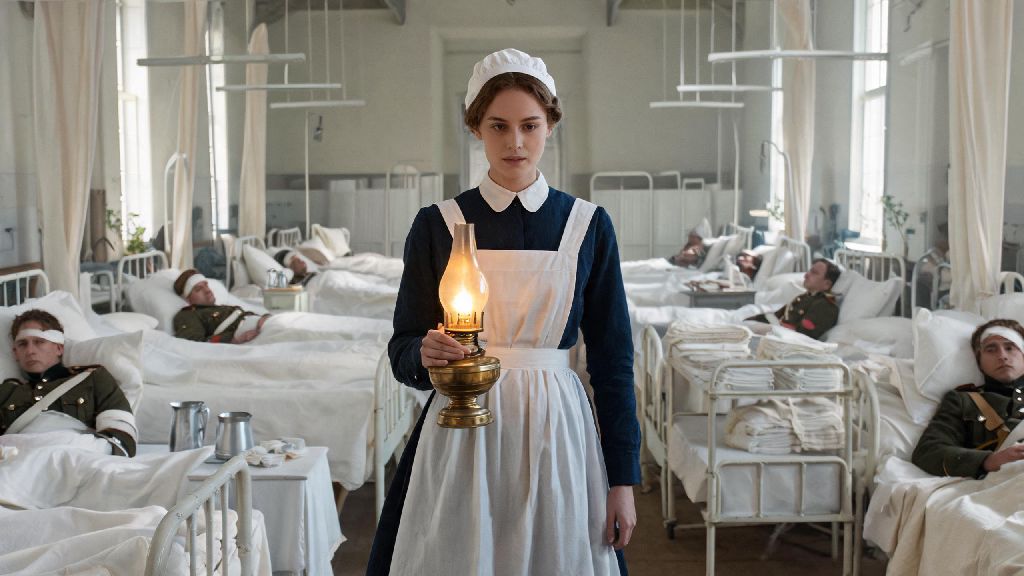
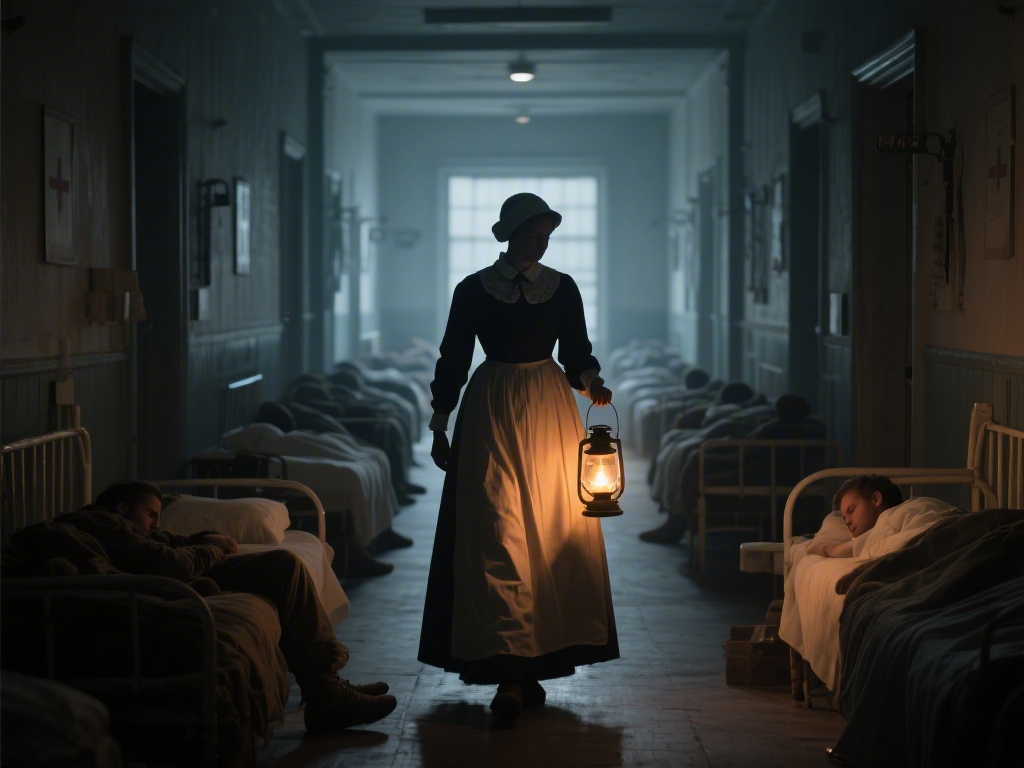
If you only know Florence Nightingale as the Lady with the Lamp who tended to wounded soldiers during the Crimean War, you’re not alone. She’s one of the most famous nurses in history, but most people know almost nothing about the second half of her life, or the answer to the question how did Nightingale die. For decades, false claims and over-dramatized biographies have spread misleading information about her cause of death, with many people assuming she died young from an illness she caught overseas. That’s not the full story, though, and we’re breaking down all the verified, well-researched facts below to set the record straight.
How Did Nightingale Die: Verified Facts About Her Final Moments
Nightingale passed peacefully in her sleep on August 13, 1910, at her family’s home in Park Lane, London. She was 90 years old, and had lived nearly 50 years longer than most doctors predicted after she returned from the Crimean War in 1856. The official recorded cause of death was progressive heart failure linked to advanced age, with no acute infectious disease listed as a contributing factor on her death certificate.
Her family declined a state funeral offer from the British government, choosing instead to hold a small, private service in line with her explicit wishes laid out in her will. She was buried in the family plot at St Margaret's Church in East Wellow, Hampshire, with only a simple gravestone marked with her initials, birth year, and death year. She had turned down multiple public honors in her final years, including a royal title, because she did not want her personal fame to overshadow the work of nursing and public health reform.
The Persistent Myth That She Died From Crimean War Illness
This is one of the most widespread myths about Nightingale, and it’s easy to see why it caught on. When she returned from Crimea in 1856, she was suffering from a severe bacterial infection now known as brucellosis, which she likely contracted from drinking unpasteurized milk while stationed at the overcrowded military hospital in Scutari. For nearly 30 years after her return, she was largely bedridden, and many doctors of the era thought she would not live past 50.
But that infection never killed her. She learned to manage her symptoms, worked from her bed to write thousands of pages of nursing guidance and public health policy, and slowly regained enough mobility to leave her home for short trips as she got older. There is no evidence in her medical records or personal letters that the infection contributed to her 1910 death. The confusion around her cause of death likely comes from early 20th century biographies that exaggerated the severity of her long-term illness to make her story more dramatic for readers.
Key Factors That Contributed To Her Long Lifespan Despite Chronic Illness
Even with the long-term effects of her Crimean War infection, Nightingale lived three decades longer than the average life expectancy for women born in the same year as her (1820, when average female life expectancy in the UK was just 42). Researchers who have studied her life, personal letters, and surviving medical records have identified several key reasons she lived as long as she did:
- Access to high-quality, consistent medical care from leading specialists of the era, which most working-class people in the UK could not access at the time. Her family’s wealth meant she could afford private care, home visits from doctors, and expensive treatments that were not available to the general public.
- Her strict daily routine that prioritized rest, limited overexertion, and followed a nutrient-dense diet tailored to her chronic symptoms. She avoided late nights, limited social engagements when she was feeling unwell, and worked with a nutritionist to plan meals that reduced inflammation and boosted her energy.
- Her strong sense of purpose: she continued working on nursing reform and public health projects well into her 80s, which multiple modern public health studies link to longer, healthier lifespans for older adults. She often wrote in letters that her work gave her a reason to keep going on days when her physical symptoms felt unbearable.
She also avoided many of the common health risks of the era, including excessive alcohol consumption, poor sanitation, and dangerous workplace conditions, that cut millions of lives short in 19th and early 20th century Britain. She also had a strong support network of family, friends, and dedicated staff who helped her manage her symptoms and carry out her work when she was too weak to leave her bed.
What Her Death Reveals About Her Legacy That Most People Miss
Most popular stories about Nightingale end with her return from Crimea, but her life after the war is just as important to her legacy, if not more so. The fact that she lived 54 years after the war, and spent nearly all of that time advocating for better public health, nursing training, and hospital sanitation, means her impact was far larger than most people realize. She wrote the first official nursing training curriculum, helped found more than 30 nursing schools across the UK, and advised governments around the world on hospital design and public health policy for low-income communities.
She intentionally kept a low profile in her final years, refusing interviews, turning down public honors, and asking her family to keep details of her death private, because she wanted her work to be the focus of her legacy, not her personal suffering or her public fame. That’s why so many people have incorrect assumptions about her death: she actively chose not to share personal details with the press, which left a gap that was later filled with unsubstantiated myths and rumors.
At the end of the day, the answer to how did Nightingale die is far simpler, and far less dramatic, than most popular stories make it out to be. She lived a long, productive life, changed the face of global public health forever, and passed peacefully of old age surrounded by people who loved her. Next time you hear someone repeat the myth that she died young from a war-related infection, you can share the real story, and honor her wish to be remembered for her work, not exaggerated tales of her suffering.