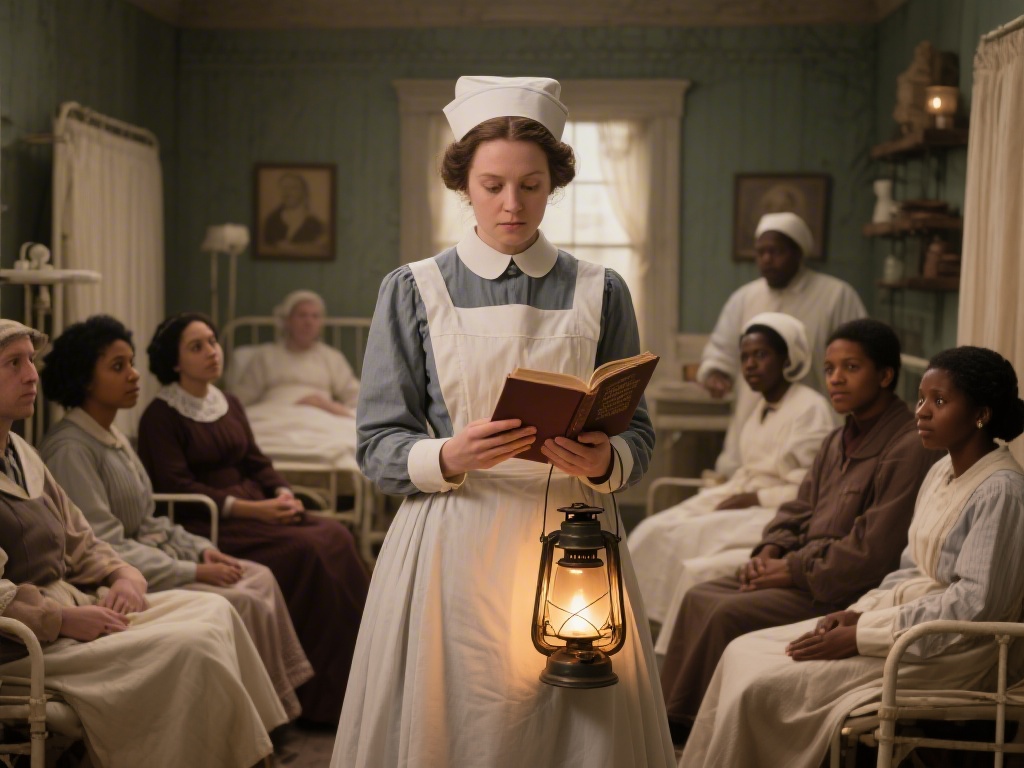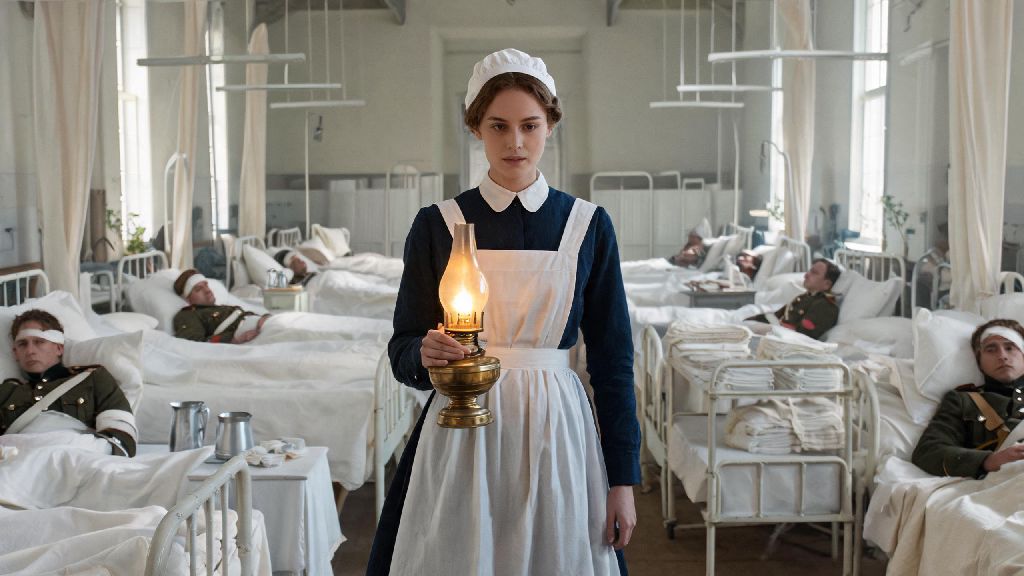
If you’ve ever stayed in a modern hospital with strict hygiene protocols, or benefited from evidence-based public health guidelines, you can thank the work of a Florence Nightingale. Most people know her as the ‘Lady with the Lamp’ who tended to wounded soldiers during the Crimean War, but far fewer understand the full scope of her decades-long career and the ripple effects of her work that we still feel today. I first dug into her story while researching the origins of modern nursing for a college paper, and I was shocked to find how many of her contributions are overlooked in standard textbook summaries. This guide breaks down her biggest achievements, little-known personal quirks, and the lessons we can still take from her work today.
Core Contributions of a Florence Nightingale to Modern Healthcare
When Nightingale arrived at the British military hospital in Scutari, Turkey in 1854, the facility was in catastrophic condition. Overcrowded, rat-infested, and lacking clean water, laundry facilities, and even basic bandages, the hospital had a mortality rate of 42% for wounded and sick soldiers. Most military officials at the time thought the high death rate was unavoidable, but Nightingale immediately identified poor sanitation as the root cause. She and her team of 38 volunteer nurses spent months cleaning the wards, setting up dedicated laundry and kitchen spaces, and negotiating for fresh food and medical supplies.
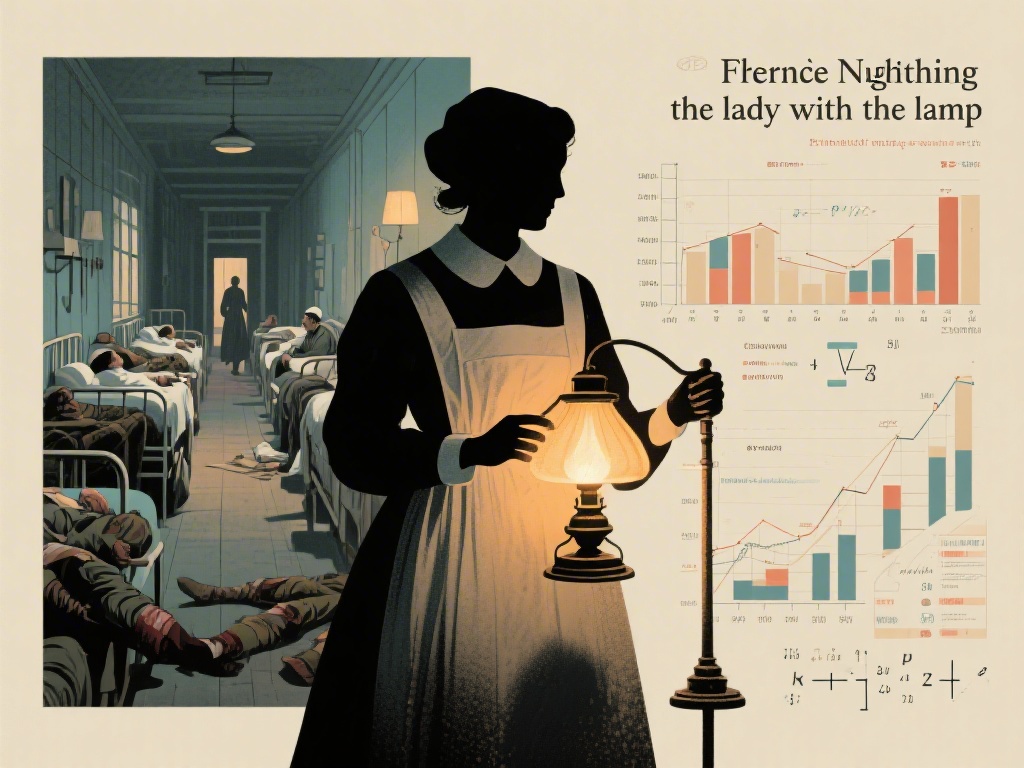
She invented the polar area diagram, a modified pie chart, to present mortality data to politicians who struggled to understand complex statistical reports. The visual clearly showed that 83% of soldier deaths during the war were from preventable diseases like typhus and cholera, not battle wounds. After she presented the diagram to Queen Victoria and Parliament, officials approved her proposed sanitation reforms almost immediately, and the hospital’s mortality rate dropped to 2% in just six months.
She founded the first secular nursing school at St Thomas’ Hospital in London in 1860, which professionalized nursing as a respected, skilled career. Before this, nursing was seen as a low-status, unregulated job for working-class women, often associated with immoral behavior. Nightingale’s school set strict training standards, required formal certifications, and proved that skilled, trained nurses could cut hospital mortality rates drastically. By 1890, hundreds of her graduates were running hospitals across the UK and the world.
Little-Known Facts About Her Life Beyond the Battlefield
Nightingale was born into a wealthy, upper-class British family, and her parents actively opposed her desire to become a nurse. They saw nursing as a job for uneducated, poor women, and refused to let her pursue training for nearly 10 years. She eventually defied their wishes, paid for her own training at a religious nursing institute in Germany, and never relied on her family’s financial support for her work.
She rejected multiple marriage proposals to focus on her career, saying she felt a “divine calling” to dedicate her life to caring for the sick, and that marriage would take away her ability to travel and work independently. That was an almost unheard of choice for a wealthy woman of her era, when most women were expected to marry, raise children, and manage a household rather than pursue a professional career.
She spent 30 years of her life as a semi-invalid, bedridden for most of that time after returning from Crimea. Doctors at the time never diagnosed her condition, but modern historians think she likely suffered from chronic brucellosis, a bacterial infection she contracted from drinking unpasteurized milk at the Scutari hospital. Even from her bed, she worked 12-hour days writing reports, advising governments on public health policy, and corresponding with reformers across the world, from India to the United States. She was also a skilled mathematician, and became one of the first women admitted to the Royal Statistical Society in 1859.
Common Misconceptions About Her Work
Most popular retellings of Nightingale’s story only focus on her time in Crimea, and leave out most of her 60-year career as a public health reformer. Many of the most widespread beliefs about her are either incomplete or entirely wrong, and they erase the radical nature of her work. Here are the three most persistent myths about her:
Her nickname "Lady with the Lamp" was popularized by the press at the time, but she hated the attention. She thought the nickname reduced the work of her entire nursing team to just her individual efforts, and refused to give interviews or pose for photographs for most of her life. She saw the media attention as a distraction from the actual policy work that was needed to improve public health for everyone.
Lessons We Can Still Learn From Her Work Today
Many of the core principles that guided Nightingale’s work are still relevant for healthcare workers, policy makers, and even people working in non-health fields. Her focus on practical, data-driven solutions that center the needs of marginalized groups is a blueprint for creating systemic change, even when you are working against bureaucratic pushback.
Data is useless if you can't communicate it to people who can act on it. Nightingale didn’t just collect statistics about mortality rates; she created visualizations that made the data accessible to people who didn’t have a background in statistics or public health. That’s a lesson we still struggle to apply today, with many public health reports filled with jargon that is unreadable for the general public and even elected officials. If you’re working on any kind of advocacy or reform project, prioritizing clear, accessible communication will always get you better results than complex, hard-to-understand data.
Another key lesson is that you don’t need to be in a position of formal power to create change. When she first arrived in Scutari, military commanders refused to give her access to supplies or let her make changes to the hospital facilities. She worked with local volunteers and used her own money to buy food, cleaning supplies and medical equipment until the officials finally caved and let her implement her sanitation plan. You don’t need a fancy title to fix problems that no one else is willing to address.
She also emphasized that addressing root causes is always more effective than treating symptoms. She didn’t just hand out medicine to sick soldiers; she fixed the dirty water, overcrowding, and lack of nutrition that was making them sick in the first place. I worked in a community health clinic for two years after college, and we used her root-cause framework to address high rates of childhood asthma in a low-income neighborhood. Instead of just giving out inhalers to sick kids, we pushed for better housing code enforcement to cut down on mold and pest infestations that triggered asthma attacks, and we saw a 40% drop in childhood asthma hospitalizations in the area within three years.
There’s a reason that the name Florence Nightingale is still recognized across the world nearly 110 years after her death. A Florence Nightingale didn’t just change one field of work, she rewrote the rules for how societies care for their most vulnerable members, using data, grit and relentless curiosity to fix problems most people thought were impossible to solve. You don’t have to work in healthcare to take lessons from her life: whether you’re working in policy, education, or even a creative field, her focus on accessibility, root-cause problem solving, and putting the needs of marginalized groups first is still as relevant as ever. Next time you see a nurse wearing a pin with a lamp on it, or read a public health infographic explaining disease rates, take a second to remember the work that made those small, everyday things possible.