If you’ve ever wandered through damp montane forests in Central or South America and heard a rich, flute-like song that cuts through the mist, you might have encountered a black headed nightingale thrush without even realizing it. Most casual birdwatchers mix these small, shy birds up with common robins or other thrush species at first glance, but their unique markings and unforgettable vocalizations make them one of the most sought-after sightings for amateur and professional birders alike. I’ve spent three years leading birdwatching tours in Costa Rica, and I still get a rush every time I spot one hopping through the underbrush, its jet-black crown standing out against the green ferns. This post breaks down everything you need to know to identify, spot, and respect these elusive birds on your next outdoor trip.
Key Identifying Features of a Black Headed Nightingale Thrush
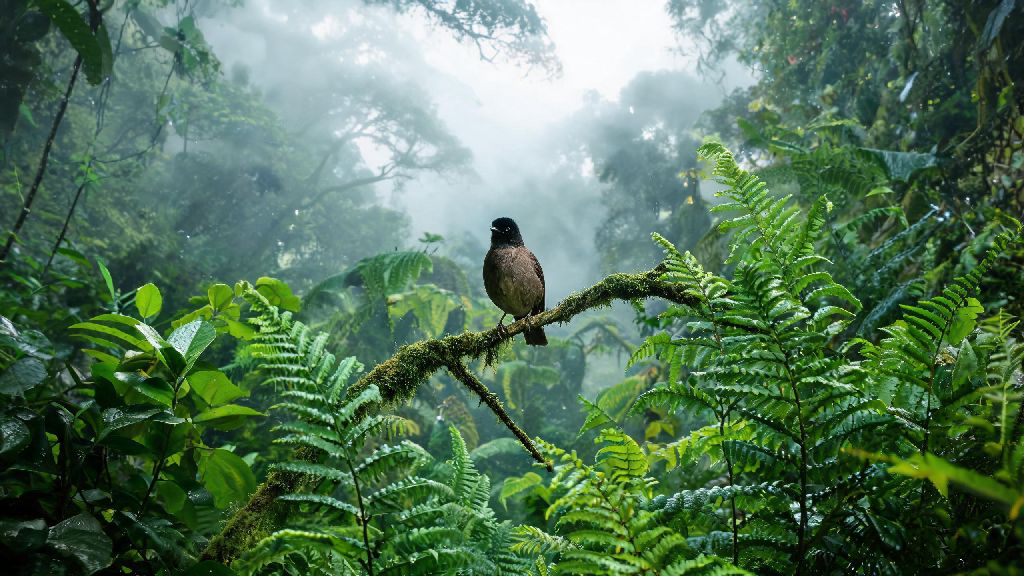
At first glance, a black headed nightingale thrush looks similar to many other medium-sized thrush species, but a few key details set it apart immediately. Adults measure between 16 and 18 centimeters long, with a plump, rounded body and short, sturdy legs built for hopping across leaf litter. The most obvious marking is the deep, inky black crown that covers the top of their head and extends down to the base of their beak, contrasting sharply with the soft, slate-grey feathers on their back and wings.
Their underparts are a warm, pale peach color that fades to white near the tail, and they have a thin, bright orange eye ring that makes them look almost like they’re wearing tiny spectacles. Their legs and beak are also bright orange, a detail that helps you pick them out even in dim forest light. Adult males and females have almost identical markings, so you won’t be able to tell them apart by sight alone.
Many new birdwatchers mix them up with the slaty-backed nightingale thrush, a closely related species that lives in the same range. The easiest way to tell the difference is the head: the slaty-backed thrush has a grey head, no black crown at all. Juveniles have speckled brown chests and a faded grey crown, so they’re often misidentified as other young thrush species until they reach 10 months old.
Natural Habitat and Geographic Range
A black headed nightingale thrush is only found in the montane cloud forests of Central America and small pockets of northern South America, and they stick to very specific habitat conditions year-round. They live at elevations between 1,000 and 3,000 meters, where temperatures stay cool and consistent, and the air is almost always humid from regular mist and light rain. They don’t migrate, so you’ll never see one outside of their native range unless it’s an escaped captive bird, which is extremely rare.
They spend almost all of their time on or near the forest floor, hopping through thick underbrush to forage for small insects, spiders, and wild berries. They rarely fly higher than 3 meters off the ground, and they only take short, quick flights to escape danger or move between perches. They are non-migratory, so you’ll only find them in their native range year-round, no surprise sightings in North America or Europe.
If you’re looking for spots where they’re likely to live, prioritize areas with these features:
I’ve found that old-growth forest edges near small, slow-moving streams are the best spots to look for them, since those areas have lots of insect activity and cover for them to hide in if they feel threatened. They tend to avoid areas that have been logged or developed for tourism, so you’ll have the best luck in protected national parks or private conservation reserves.
Their Famous Vocalizations: What to Listen For
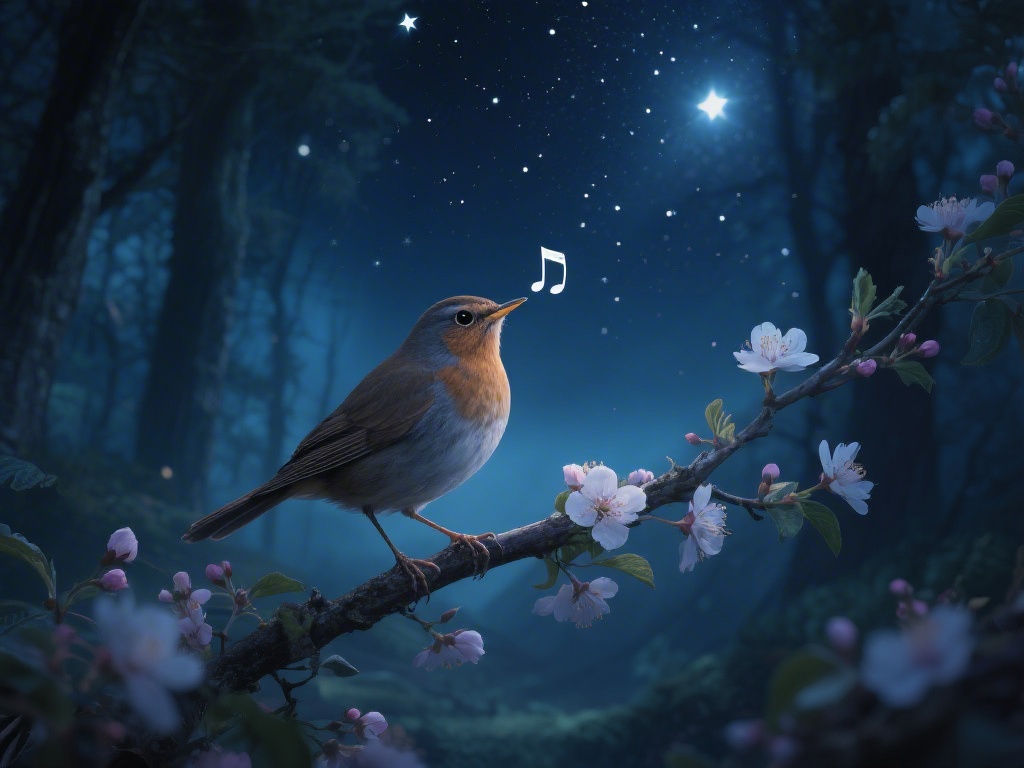
Most birders first learn to recognize a black headed nightingale thrush by its song, which is widely considered one of the most beautiful of all neotropical bird species. Unlike the fast, trilling songs of many other thrushes, their song is slow, clear, and flute-like, with 3 to 4 note phrases that repeat every 10 to 15 seconds. Locals in Costa Rica and Panama often call them “flautistas del bosque,” which translates to “forest flutists,” because their song sounds so much like someone playing a wooden flute deep in the trees.
They sing most often at dawn and dusk, when the forest is quietest and there are fewer competing sounds from other birds. During the middle of the day, they’re usually silent, focusing on foraging instead of calling. Unlike many songbirds, they often sing from hidden perches low in the underbrush, so you might hear one long before you see it.
They have a few different calls for different situations, too. If they’re communicating with other thrushes in their territory, they’ll make soft, high-pitched chirps that are easy to miss if you’re not listening closely. If you hear a harsh, scolding chirp instead of the usual song, that means the thrush has spotted you and is warning other birds of your presence. If you hear that call, it’s a good sign you should stay still and quiet for a few minutes, so the bird will calm down and go back to its normal routine.
Tips for Spotting One Responsibly on Your Next Birdwatching Trip
Spotting a black headed nightingale thrush takes a little patience, but it’s well worth the effort. First, plan your trip for early dawn or late dusk, when they’re most active and most likely to come out into open spots to forage. Wear muted, earth-toned clothing that blends in with the forest, and avoid wearing bright colors or strong perfumes that might alert them to your presence. Leave any loud gear like portable speakers at home, and keep your voice at a whisper when you’re in their habitat.
Many new birders are tempted to use bird call playback to draw them out of the underbrush, but this is a bad idea for multiple reasons. Playback disrupts their mating and foraging routines, and can even cause them to abandon their territories if they think another thrush is invading their space. Most protected parks in Central America ban the use of playback for exactly this reason, so it’s best to skip it entirely.
When you find a spot where you can hear their song, stand still off the side of the trail and watch the underbrush closely. If you stay quiet and don’t move for 15 to 20 minutes, they’ll usually forget you’re there and hop out into the open to look for food. Bring a pair of binoculars with a low-light setting, since the forest underbrush is usually pretty dim even during the day. Never approach a nest or a fledgling, as parent birds will abandon their young if they feel too threatened.
Spotting a black headed nightingale thrush is a small, magical moment that sticks with most birdwatchers for years. You don’t need fancy gear or a professional guide to find one, just a little patience, respect for their habitat, and a good ear for their one-of-a-kind song. The next time you’re hiking through a Central American cloud forest, take a minute to stop, stay quiet, and listen. You might just get the chance to see one of these beautiful, shy birds for yourself.