Florence Nightingale, often referred to as the "Lady with the Lamp," is one of the most iconic figures in nursing history. But what exactly was she known for? In this article, we delve into seven essential facts about Florence Nightingale that highlight her remarkable contributions to healthcare and nursing.
1. The Founder of Modern Nursing
Florence Nightingale is widely recognized as the founder of modern nursing. After serving as a nurse during the Crimean War, she returned to England and established the Nightingale Training School for Nurses in 1860. This school laid the foundation for professional nursing education and has since become a global standard.
2. The Crimean War's "Lady with the Lamp"
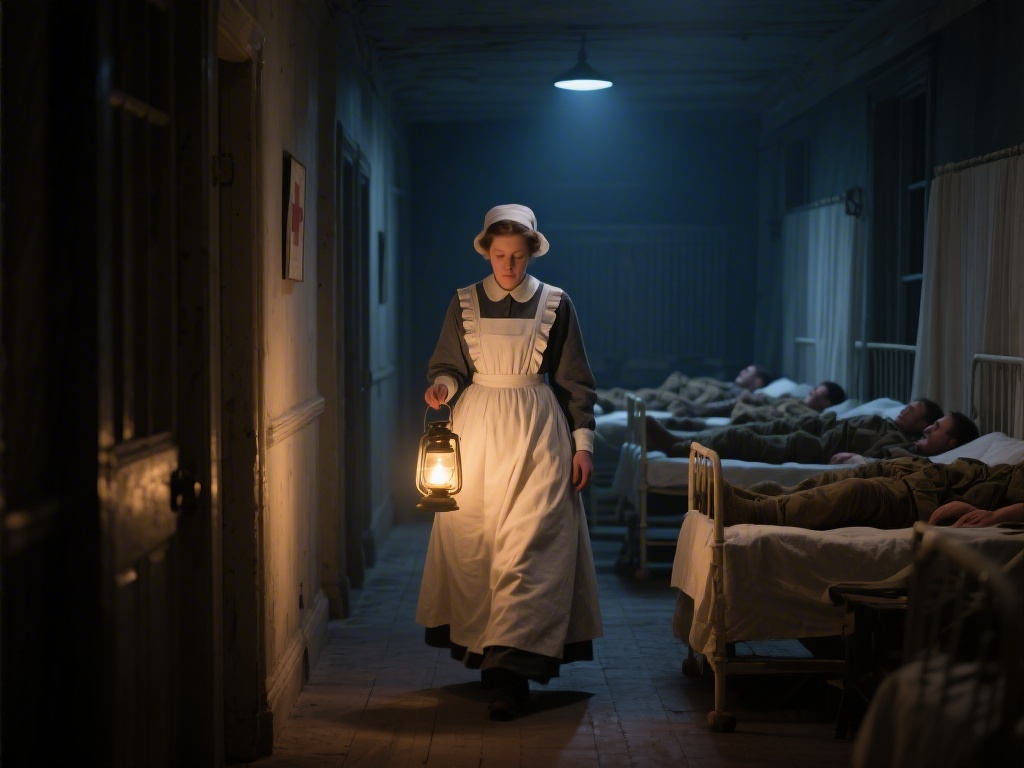
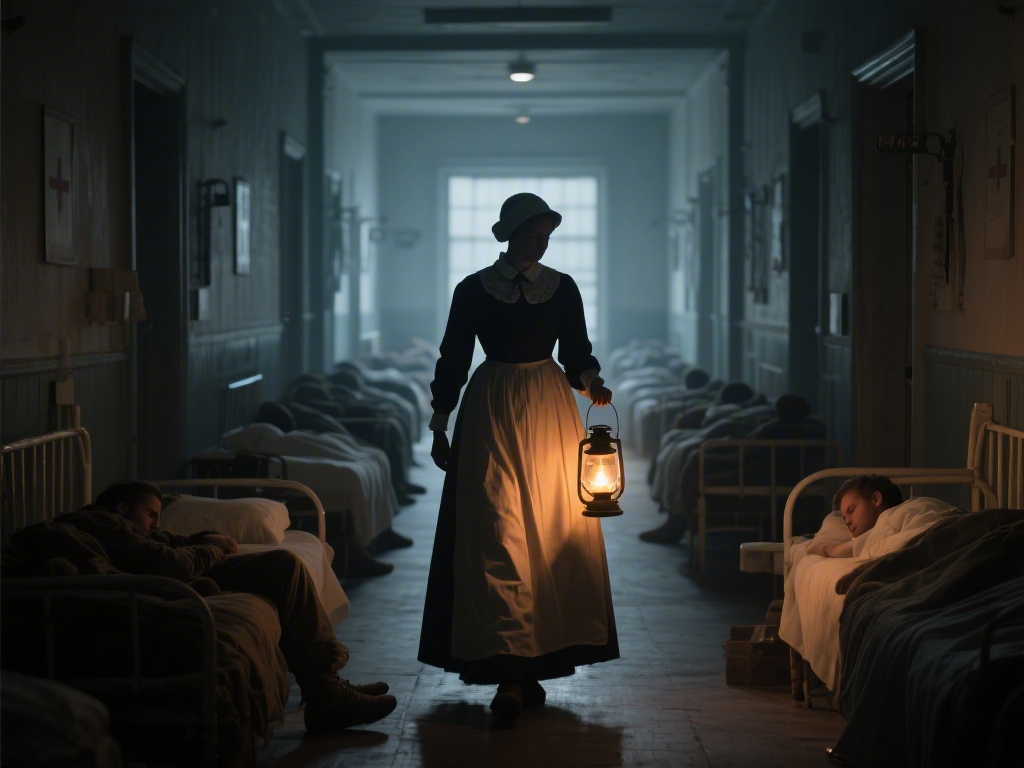
Nightingale gained her famous nickname during the Crimean War when she tended to wounded soldiers at the Scutari Hospital in Turkey. Her dedication and compassion, often seen as she walked the halls with a lamp at night, significantly improved the conditions and recovery rates of the patients.
3. The Sanitary Reforms
In addition to her work in nursing, Nightingale was a pioneer in public health and sanitation. She conducted a groundbreaking study on hospital hygiene, which led to significant improvements in sanitation practices and helped reduce mortality rates in hospitals and military camps.
4. The Nightingale Prize
Established in 1890, the Nightingale Prize is one of the most prestigious awards in nursing. It is awarded annually to nurses who have made exceptional contributions to the profession, carrying on Nightingale's legacy of excellence in nursing care.
5. The Nightingale Pledge
The Nightingale Pledge, also known as the Florence Nightingale Oath, is a set of ethical guidelines for nurses. It was first published in 1893 and is still used today to guide the ethical practice of nursing.
6. The Nightingale Museum
Established in 1990, the Florence Nightingale Museum in London is dedicated to the life and work of Nightingale. It houses a collection of her personal belongings, letters, and artifacts that provide insight into her life and the nursing profession.
7. The Florence Nightingale Medal
The Florence Nightingale Medal is the highest award given by the International Council of Nurses (ICN). It is awarded to nurses who have made outstanding contributions to the nursing profession worldwide.
In conclusion, Florence Nightingale's contributions to nursing, healthcare, and public health have had a lasting impact on the world. Her dedication, innovation, and compassion continue to inspire nurses and healthcare professionals around the globe.