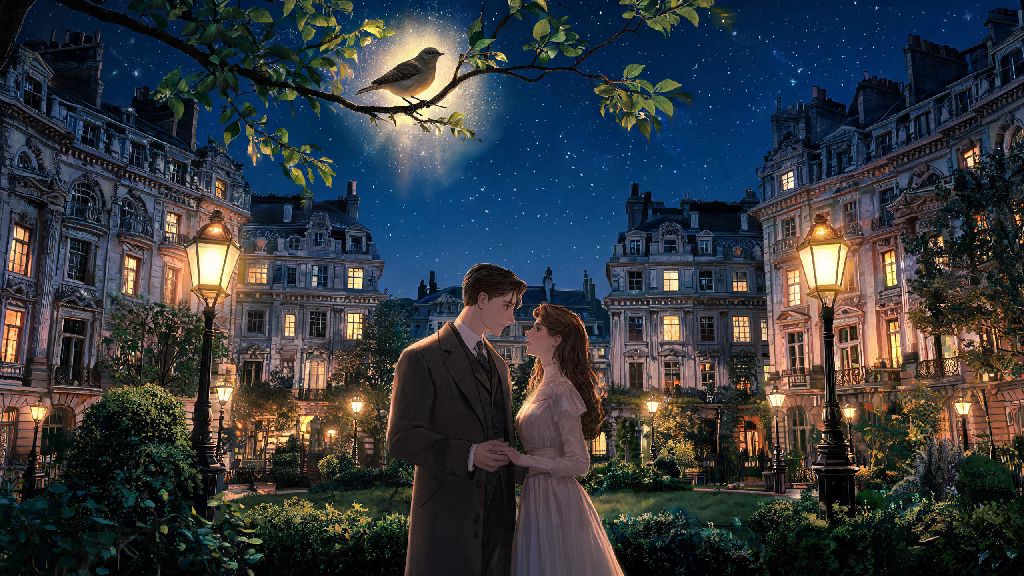
If you’ve binged every season of Good Omens and found yourself humming a soft, old-fashioned tune after Aziraphale and Crowley’s tense season 2 finale, you’re not alone. A nightingale sang in berkeley square good omens references are far more than a random throwaway line, and they tie into decades of cultural history, plus the core of the two characters’ unspoken bond. I first noticed the reference on my third rewatch, and digging into its backstory made my favorite series feel even more layered and intentional.
What Is the Original "A Nightingale Sang in Berkeley Square" Song?
This classic romantic standard was written in 1939 by lyricist Eric Maschwitz and composer Manning Sherwin, while Maschwitz was living in New York and missing his home in London. The song paints a whimsical picture of a perfect, almost magical date in one of London’s most iconic upscale squares, where a nightingale’s song turns an ordinary evening into something unforgettable. It quickly became a staple of WWII-era British radio, played for troops stationed abroad to remind them of the small, beautiful moments waiting for them back home. The song’s core theme is finding magic in ordinary, unexpected places, which lines up exactly with the heart of Good Omens as a whole. For decades, it’s also been associated with secret, unspoken love, since Berkeley Square was a popular spot for quiet trysts for couples who couldn’t be open about their relationships in mid-20th century London.
Why Did Good Omens Pick This Song Specifically?
Neil Gaiman has spoken in multiple fan Q&As about searching for a track that felt tied to London, timeless, and loaded with unspoken emotion to serve as Aziraphale and Crowley’s unofficial theme. He landed on this track after testing dozens of classic British love songs, and it’s hard to imagine a better fit for the pair’s 6,000-year-long slow-burn relationship. There are three core reasons the track works so perfectly for the series:
Every A Nightingale Sang in Berkeley Square Reference in Good Omens, Explained
The first reference to the track appears in the season 1 finale, right after Aziraphale and Crowley successfully stop the apocalypse. They’re sitting together at the Ritz, celebrating their win, and the house band starts playing the song. Crowley smiles to himself, and Aziraphale looks softer than we’ve seen him all season, a quiet nod to the fact that they’ve finally got the chance to be together without heaven or hell breathing down their necks. When you dig into the backstory of a nightingale sang in berkeley square good omens references, you’ll see that every use of the track is perfectly timed to hit the exact emotional beat the scene needs. The most famous reference comes in the final 10 minutes of season 2, right before Crowley kisses Aziraphale. When Aziraphale tells Crowley he’s accepted the role of Archangel and wants Crowley to come work with him in heaven, Crowley replies that there are “no nightingales” before he leans in for the kiss. The line is a quiet, devastating way to say that their moment of private, uncomplicated joy is over, at least for now. The "no nightingales" line is one of the most quoted pieces of dialogue from the entire series, and it’s spawned thousands of fan art pieces, fanfics, and TikTok edits in the years since season 2 dropped. There’s also a tiny Easter egg in the season 2 end credits: if you listen closely, you can hear a few notes of the song played backwards right as the credits finish rolling, a hint that the story of the nightingale isn’t over yet.
How to Spot More Hidden Song References in Good Omens Future Seasons
Neil Gaiman has a long track record of hiding tiny, intentional pop culture references in every scene of his work, and Good Omens is no exception. Most of the musical references in the series are tied directly to Aziraphale and Crowley’s relationship, so you don’t have to dig too deep to find them if you know what to look for. You don’t need a music degree to spot these Easter eggs—just pay attention to what’s playing in the background during any scene where Aziraphale and Crowley are sharing a private moment, it’s almost always tied to what’s happening between them. If you don’t recognize a song, look up its lyrics later, they’ll almost always connect directly to the emotions of the scene. If you’re a diehard fan who’s already made a playlist of every track used in the series, adding the original version of the track tied to a nightingale sang in berkeley square good omens lore is a must. Most fans are speculating that we’ll hear the song again in season 3, probably when Aziraphale and Crowley finally reconcile. It’s become such a core part of their story that it’s hard to imagine their happy ending without the sound of a nightingale singing in the background.
At the end of the day, the little, carefully planned details are what make Good Omens feel so personal to so many fans, and the use of classic, meaningful tracks is one of the show’s biggest strengths. A nightingale sang in berkeley square good omens references aren’t just a fun Easter egg for old music fans—they’re a core part of telling Aziraphale and Crowley’s love story, without spelling every detail out for the audience. Next time you rewatch the series, keep an ear out for the tune, you’ll catch little layers you missed before, and you’ll have a whole new appreciation for how much thought went into every line of dialogue and background track.