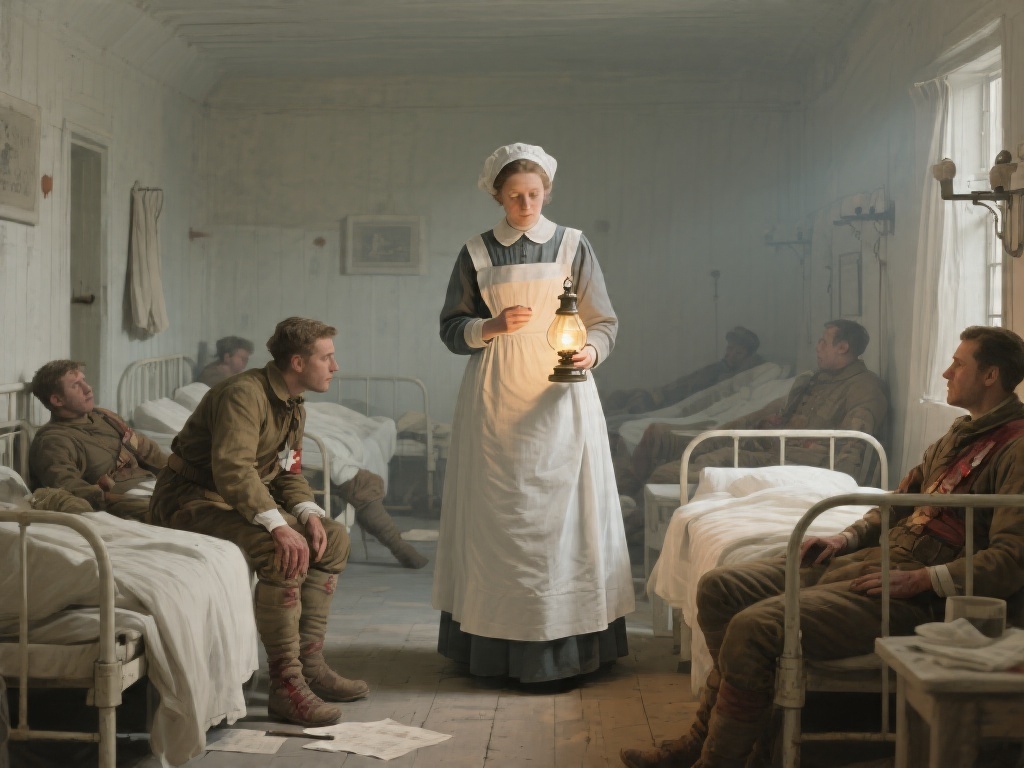
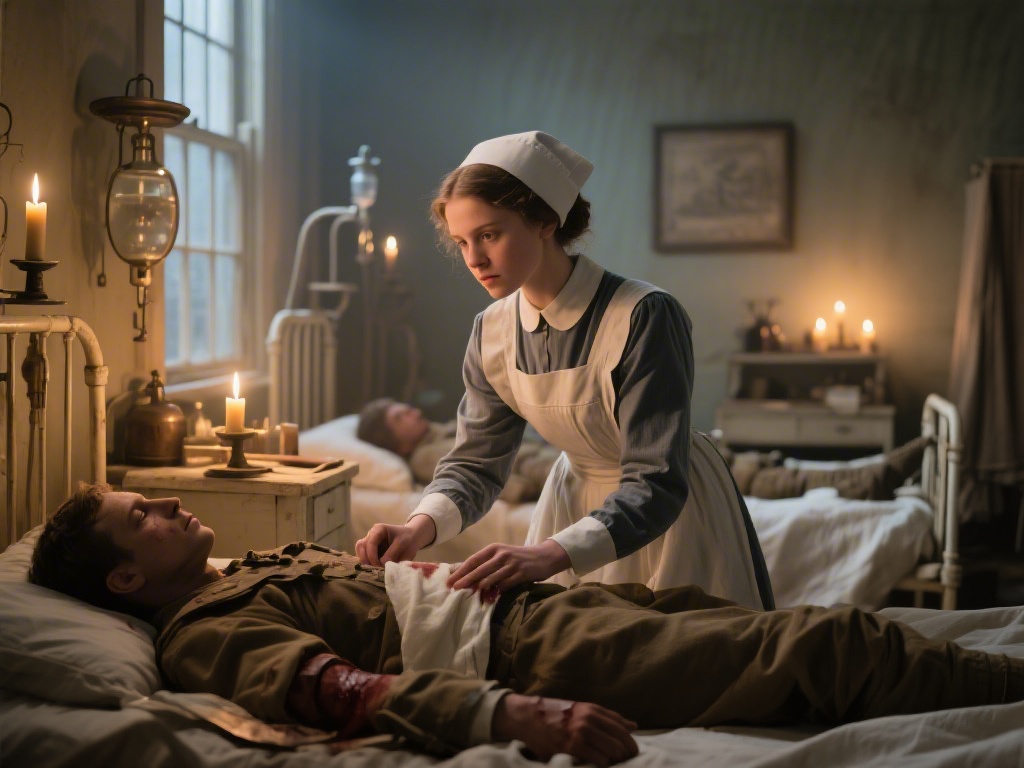
If you’ve ever dug past the “Lady with the Lamp” myth to learn more about Florence Nightingale’s life, you’ve probably wondered how many siblings did Florence Nightingale have, and what role her family played in her radical choice to pursue nursing. Most pop culture retellings of her story focus solely on her work in Crimean War hospitals, but her family background is the hidden foundation of all her later achievements. I first stumbled on this side of her story while researching a high school project on healthcare reform, and I was shocked to realize how much of her success came from the skills and support she got at home, even when her family didn’t agree with her choices at first.
How Many Siblings Did Florence Nightingale Have, Exactly?
Let’s cut straight to the answer that brought you here: Florence Nightingale had exactly one sibling, an older sister named Frances Parthenope Nightingale, who went by “Parthenope” for most of her life. Both girls were named for the Italian cities where they were born during their family’s extended travel stint in Europe: Parthenope was born in Naples (Parthenope is the ancient Greek name for the city) in 1819, and Florence was born a year later in Florence, Italy in 1820.
Some older and unvetted historical sources used to claim Florence had younger brothers or additional sisters, but those claims have been fully debunked by official census records, personal family letters held at the British Library, and the detailed estate records of her father, William Nightingale. Florence Nightingale had exactly one older sibling, no brothers or younger sisters. That small, tight-knit family structure had a huge impact on every choice she made as an adult.
The Close (and Complicated) Bond Between Florence and Parthenope
Growing up, Florence and Parthenope were nearly inseparable. Their father, a wealthy Cambridge-educated landowner, refused to follow the 19th century norm of only giving his daughters a basic education focused on sewing and social graces. He taught both girls Latin, Greek, philosophy, mathematics, and multiple foreign languages from the time they were small children, so they spent most of their days learning and exploring their family’s country estate together.
Their relationship hit a major rough patch when Florence first announced she felt a “divine calling” to become a nurse when she was 16 years old. At that time, nursing was seen as a low-status job for working class women, associated with poor hygiene and even moral corruption, so Parthenope was horrified by her sister’s choice. She saw it as a rejection of their family’s social standing, and even had a prolonged nervous breakdown over the conflict, which delayed Florence’s nursing training for nearly seven years.
So the two didn’t speak for months at the height of their fight, but they eventually repaired their relationship. After Florence returned from the Crimean War as a national hero, Parthenope became her right-hand woman, helping her edit dense public health reports, lobby members of parliament for hospital reform, and respond to the thousands of letters she received from fans and healthcare workers around the world. Parthenope later became one of Florence's most trusted public advocates, helping her edit reports and lobby parliament for healthcare reform.
How Florence's Family Upbringing Fueled Her Lifelong Work
Even when her family pushed back against her decision to become a nurse, the privileges and skills they gave her as a child are the exact reasons she was able to revolutionize modern healthcare. Most nurses of her era had no formal education, no access to wealthy political connections, and no training in data analysis, all things Florence got directly from her upbringing with her sister and parents.
Some of the most critical skills Florence brought to her public health work came directly from her family’s support:
- Advanced statistical literacy, which she used to create her famous mortality charts during the Crimean War that proved most soldier deaths came from preventable infections, not battle wounds
- Wealth and social status that allowed her to lobby elite politicians and military leaders without being dismissed out of hand, a privilege almost no other nurse of her era had
- Early experience with charitable care for working class communities in the village near her family’s estate, which first showed her how poor living conditions directly tied to higher rates of illness
Her family even gave her financial support that let her focus entirely on her advocacy work after she returned from the Crimea. They gave her a £500 annual allowance for most of her adult life, which is worth roughly £50,000 in today’s money, so she never had to take a paid job to cover her living costs. Florence's signature data-driven approach to healthcare reform directly came from the rigorous math education her father provided her as a child.
Common Myths About Florence Nightingale's Family Debunked
Because Florence’s story has been retold and simplified for so many years, there are a lot of widespread myths about her family and her relationship with her sister that just don’t hold up to historical fact. One of the most widespread wrong answers to how many siblings did Florence Nightingale have is that she had two brothers and a sister, a mistake that comes from mixing up her family tree with her cousin’s family, who did have multiple male children.
Another common myth is that her family disowned her for becoming a nurse. That’s not true at all. While they did oppose her choice for nearly a decade, they never cut her off, and once they saw how much good she was doing, they fully supported her work. Florence's family never disowned her; they provided her with a £500 annual allowance (worth roughly £50,000 today) for most of her adult life.
Many people also assume Parthenope was just a jealous, overbearing sister who resented Florence’s fame, but that’s not fair to her legacy either. Parthenope was a respected author and scholar in her own right, who published multiple books on Neapolitan history and art, and advocated for women’s access to higher education long before that was a mainstream cause. Parthenope Nightingale was a respected author in her own right, with multiple published works on Neapolitan history and art. She was proud of her sister’s work, and spent most of her later life helping Florence spread her public health messages as widely as possible.
Florence Nightingale’s legacy is so much more than just a woman carrying a lamp through a war hospital. She was able to change the entire field of healthcare because of the skills she learned from her family, and the support she got from her only sibling, Parthenope, even when they didn’t see eye to eye at first. If you ever come across someone asking how many siblings did Florence Nightingale have, you can now share not just the simple answer, but the rich context of how that small, close family bond changed modern healthcare forever.