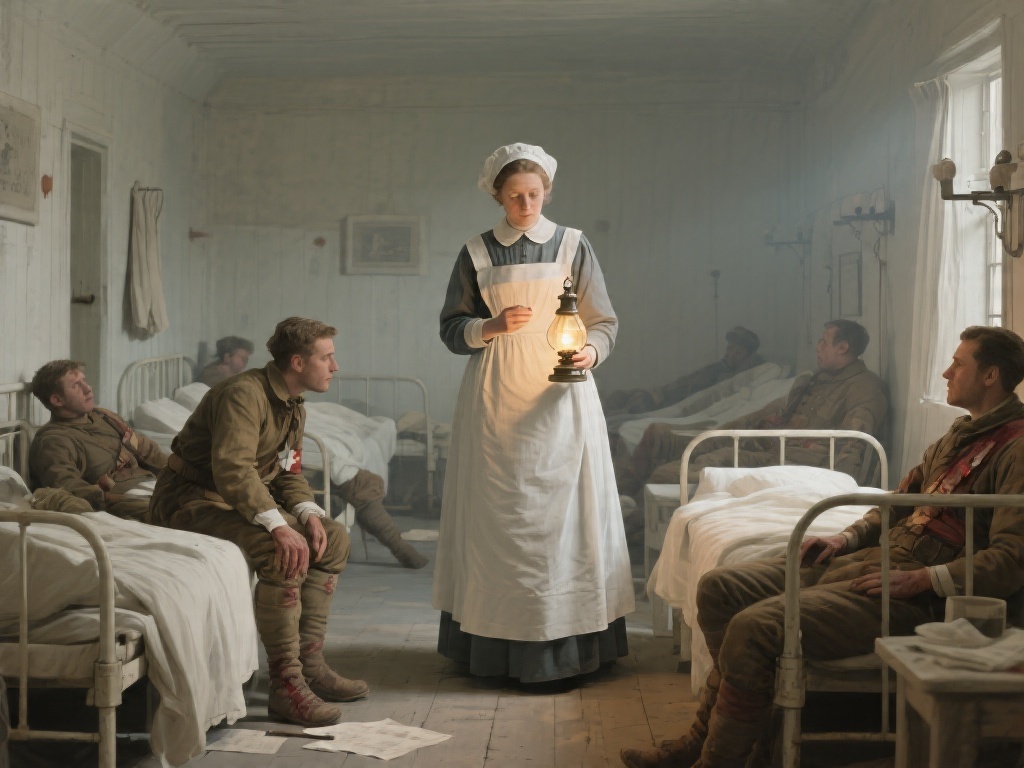
Florence Nightingale, an iconic figure in the history of nursing, is often remembered for her groundbreaking work during the Crimean War. But who is Florence Nightingale, and what did she do to earn her place in history? In this comprehensive guide, we delve into the life and legacy of this remarkable woman.
Who Was Florence Nightingale?
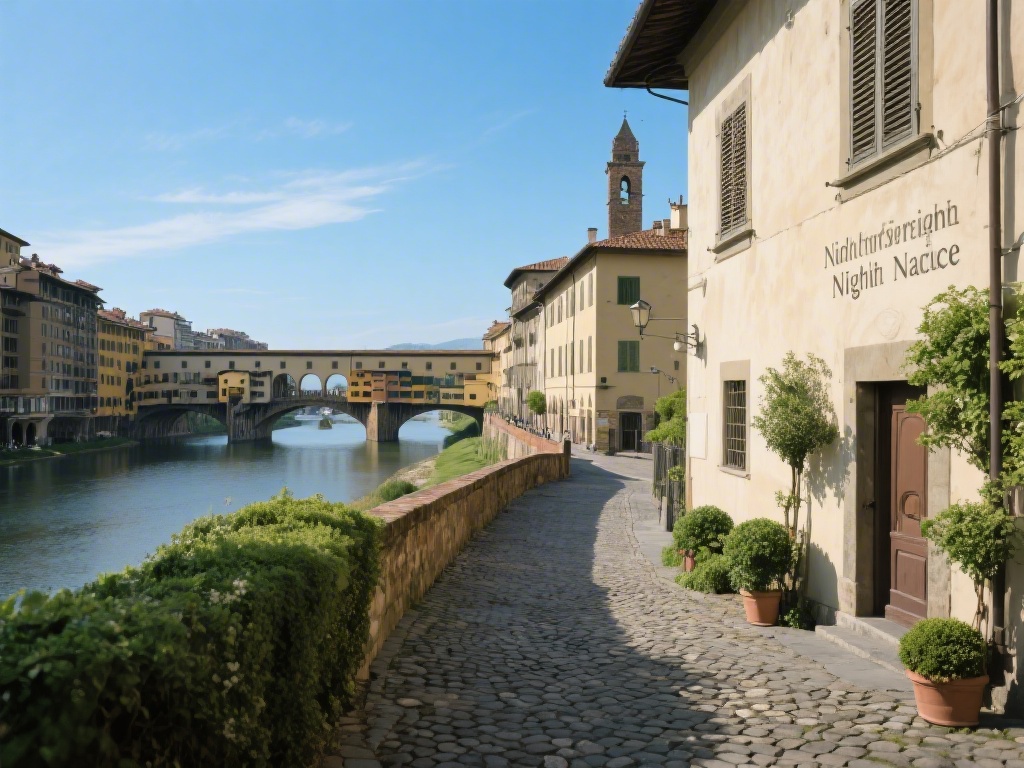
Florence Nightingale was born on May 12, 1820, in Florence, Italy, to English parents. Despite coming from a wealthy family, she was drawn to a life of service. Her early interest in nursing led her to study at the Institute of Protestant Deaconesses in Kaiserswerth, Germany.
The Crimean War and the Nightingale Pledge
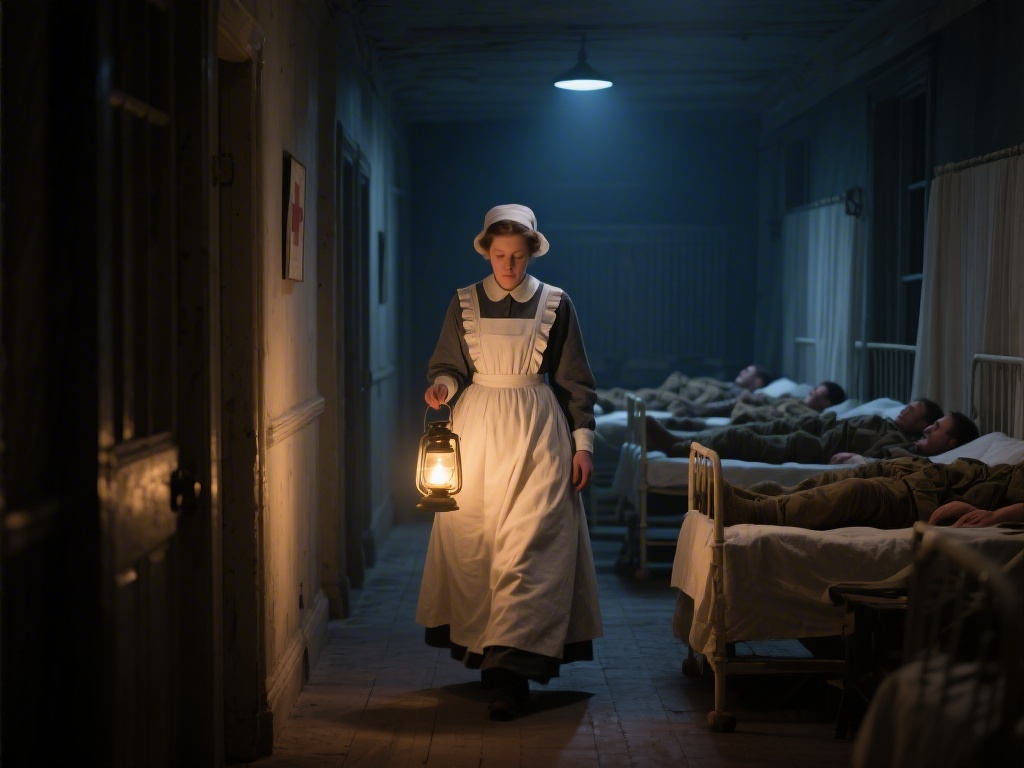
In 1854, Nightingale traveled to Turkey to serve as a volunteer nurse during the Crimean War. Her efforts to improve the living conditions and hygiene of the wounded soldiers were instrumental in reducing mortality rates. Her work earned her the title "The Lady with the Lamp" and inspired the Nightingale Pledge, which is still used by nurses today.
Innovations in Nursing and Healthcare
After the Crimean War, Nightingale dedicated herself to improving nursing education and healthcare practices. She founded the Nightingale Training School for Nurses at St. Thomas' Hospital in London, which became the first recognized nursing school in the United Kingdom.
The Legacy of Florence Nightingale
Florence Nightingale's impact on nursing and healthcare is immeasurable. Her work has influenced the development of modern nursing practices, and she is celebrated as the founder of modern nursing. In 1910, she was awarded the Order of Merit, the first woman to receive this honor.
Conclusion
Florence Nightingale's life and work have left an indelible mark on the world. From her tireless efforts during the Crimean War to her dedication to improving nursing education and healthcare, she has inspired generations of nurses and healthcare professionals. Discover more about the incredible life of Florence Nightingale and her enduring legacy.