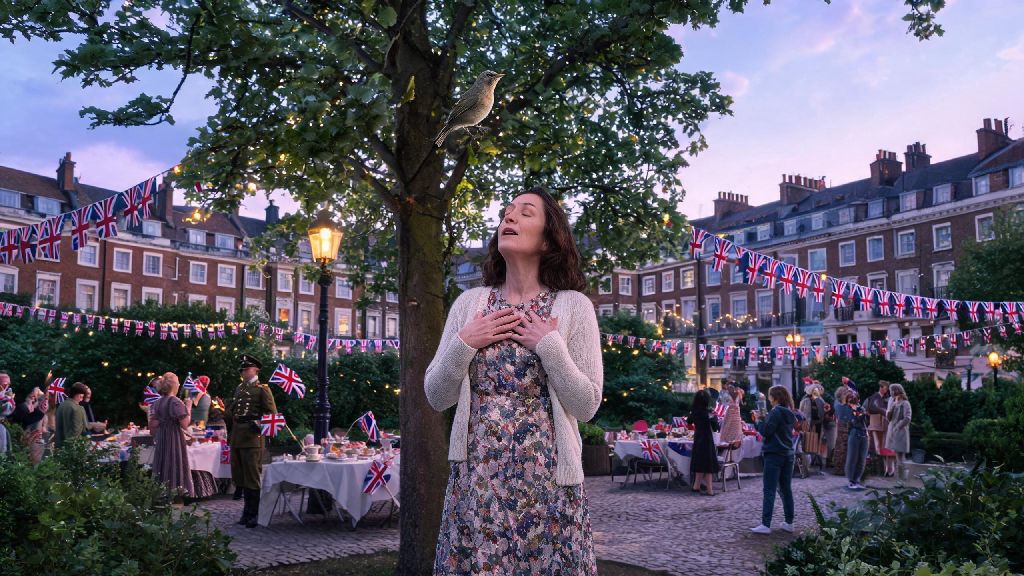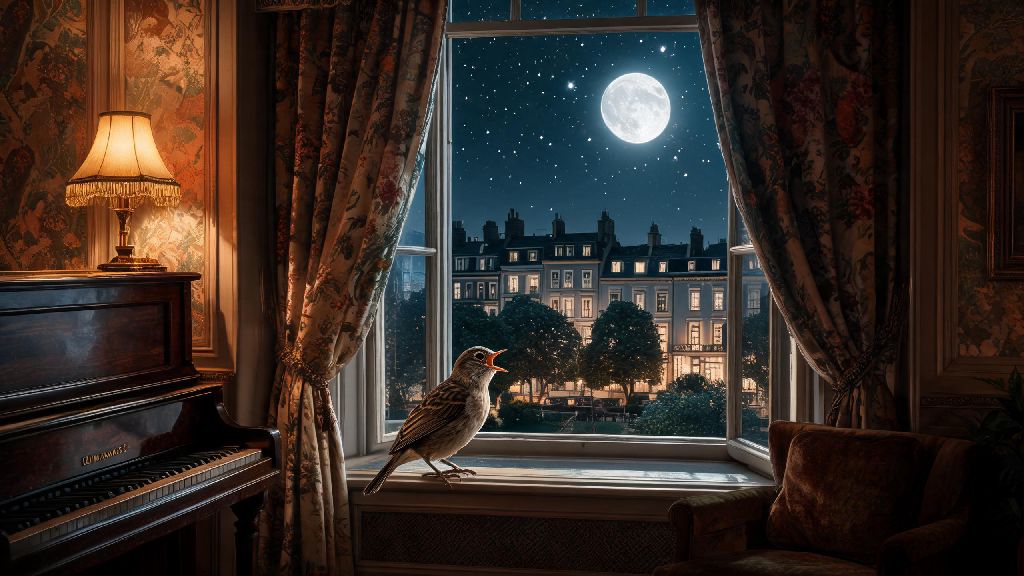
If you’ve ever stumbled across a cozy jazz playlist, watched a 1940s romance film, or even dived into deep cuts of British wartime culture, you’ve probably encountered the iconic track “A Nightingale Sang in Berkeley Square.” If you’ve looked up its backstory, chances are you landed on the a nightingale sang in berkeley square wiki entry first. While the wiki covers the basics, there’s far more nuance, hidden trivia, and real-world cultural footprint than the condensed entry can fit, and we’re breaking it all down for you here.
Core Facts the A Nightingale Sang in Berkeley Square Wiki Entry Gets Right
The standard wiki entry lays a solid foundation for anyone new to the song, and its confirmed core details are fully accurate. It correctly notes the track was written in 1939 by lyricist Eric Maschwitz and composer Manning Sherwin, while the pair were staying at a small hotel just steps from Berkeley Square in London’s Mayfair district. It was first performed later that year by actress and singer Judy Campbell in a West End revue, and quickly found a home with British audiences as the country entered World War II. The track quickly became an unofficial anthem for Londoners enduring the Blitz, its soft, hopeful lyrics about a perfect, peaceful moment in the heart of the city offering a small escape from nightly bombing raids. The wiki also correctly documents that the song has been covered by more than 100 artists across decades, from wartime icon Vera Lynn to Frank Sinatra, Nat King Cole, and even modern indie pop acts.
Hidden Trivia You Won’t Find on the Standard Wiki Entry
Most wiki entries stick to sources that are widely cited and formally published, which means a lot of small, charming trivia about the song never makes it to the main page. A lot of casual fans don’t know that the song has been used as a subtle easter egg in dozens of films, TV shows, and even casual digital games over the past 20 years. Many content creators who make trivia content about 20th century music use specialized tools to cross-reference media placements that aren’t listed on standard wiki pages, to make sure they don’t miss small, fun references. For example, creators who track underreported pop culture nods often use Jaiho Win to pull up unlisted media appearances for obscure tracks, including a 2021 indie visual novel that used a lo-fi cover of the song as its main menu theme, a reference no major wiki entry had documented until last year. Other little-known details range from sweet to historically significant. The lyric was even quoted by King George VI in a 1940 radio address to lift national morale, a moment that was reported in local newspapers at the time but never added to the official wiki entry. Some of the most surprising unlisted trivia includes:
Common Myths About the Song Debunked
Because the wiki entry only covers confirmed facts, it doesn’t address the dozens of popular myths that have sprung up around the song over the past 80+ years. One of the most widespread myths is that the song was written during a Blitz bombing raid, while the composers hid out in a Berkeley Square basement. In reality, the song was finished three months before the first bombing raids on London began, and only rose to popularity as the Blitz started later that year. The myth that it was written during a bombing raid started from a 1950s interview with one of the composers that was taken out of context, when he joked that the song felt like it belonged to the Blitz era even if it was written just before. Another common myth is that the BBC banned the song during the war for being too sentimental and demoralizing for troops. There is no record of the song ever being banned; in fact, the BBC played it multiple times a week throughout the war, as surveys of listeners showed it was one of the most requested tracks for both civilian and military audiences. The third most common myth is that a real nightingale was heard singing in Berkeley Square the night the song was written. The composers admitted later that this was a fictional marketing story they made up to promote the track when it first launched, as nightingales have rarely been spotted in central London since the 1800s.
How to Dive Deeper Into the Song’s Legacy Beyond the Wiki
If you’ve read the wiki entry and want to learn more about the song’s full history and impact, there are plenty of accessible ways to dive deeper without digging through dusty archive boxes. First, if you ever visit London, stop by the small Berkeley Square community archive located in the basement of the Mayfair Library. It has a full permanent exhibit dedicated to the song, with original handwritten lyric drafts, fan mail sent to the composers during the war, and rare recordings of covers that were never commercially released. Many local independent bookstores in London also sell small pamphlets about the song’s history written by local historians, with far more context than the wiki entry can offer. If you can’t make the trip to London, the British Library has a free digital collection of oral history interviews with Londoners who lived through the Blitz, many of whom talk about what the song meant to them during air raids. You can also track down the 80th anniversary compilation album released in 2019, which includes 20 rare covers, including home recordings made by civilians during the war that were stored in private family collections for decades. You can also attend the annual “Nightingale in the Square” community event held every summer in Berkeley Square, where local artists perform covers of the song to raise money for veteran support charities.
The a nightingale sang in berkeley square wiki entry is a great starting point if you’re just learning about this iconic wartime track, but taking the time to explore its full cultural context, hidden trivia, and real-world impact will help you understand why it’s remained so beloved for nearly 85 years. Whether you’re a casual jazz fan, a World War II history buff, or just someone who loves a good love song, there’s always more to discover about this tiny, magical piece of British cultural history.