Most people know Florence Nightingale as the Lady with the Lamp, the founder of modern nursing who cared for wounded soldiers in the Crimean War. But if you’ve ever dug into her story for a school project, trivia night, or just out of curiosity, you’ve probably asked how old was florence nightingale during her most famous achievements, and even at the end of her long, impactful life. She didn’t just work in nursing for a few years—she spent decades pushing for systemic change that still shapes healthcare today, and her age at each step of her journey adds a lot of context to just how remarkable her work was. Many simplified retellings of her story skip over these timeline details, so we’re breaking down exactly how old she was at every major milestone, plus common myths and context to help you understand her full legacy.
How Old Was Florence Nightingale During Her Career Milestones
Nightingale was born in Florence, Italy, in 1820 to a wealthy British family that expected her to marry well and fulfill the traditional role of an upper-class housewife. She rejected that path entirely, spending her teens and 20s fighting for the right to train as a nurse, a career that was seen as low-status and even disreputable for women of her social standing at the time. Below are the key ages associated with her biggest life achievements:
- 16 years old: Experienced the first of several spiritual callings to dedicate her life to caring for others, a goal she pushed for against her family’s wishes for nearly 15 years.
- 31 years old: Finally received formal nursing training at the Institute of Protestant Deaconesses in Kaiserswerth, Germany, after years of independent study and pushing back against her family’s disapproval.
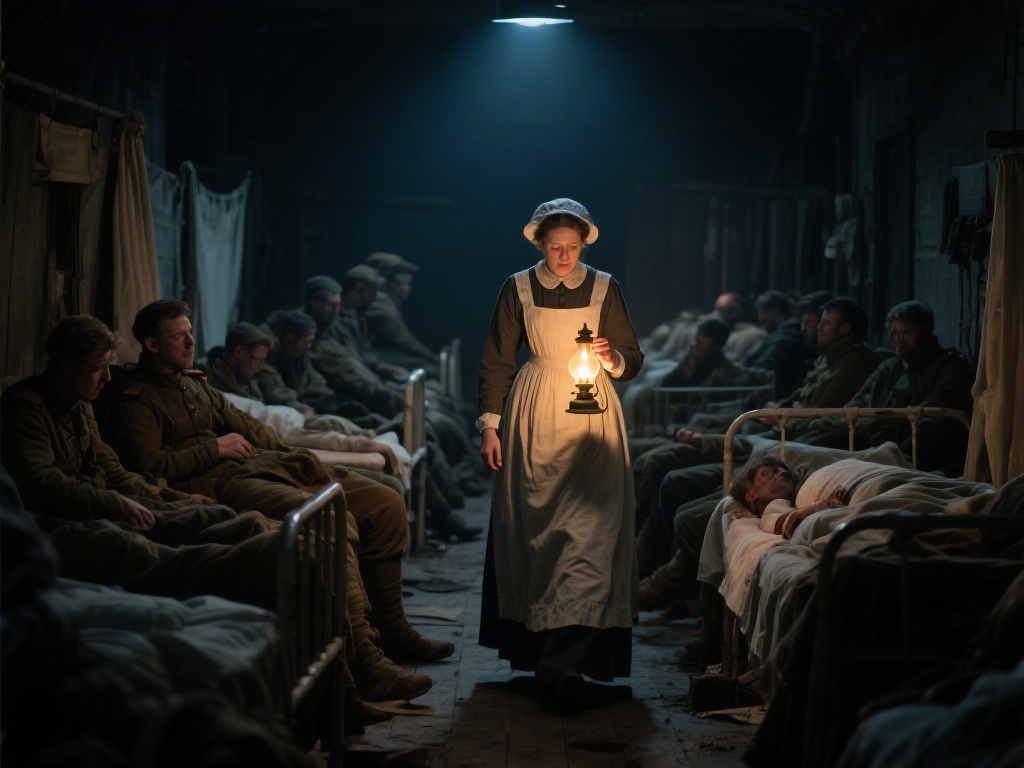
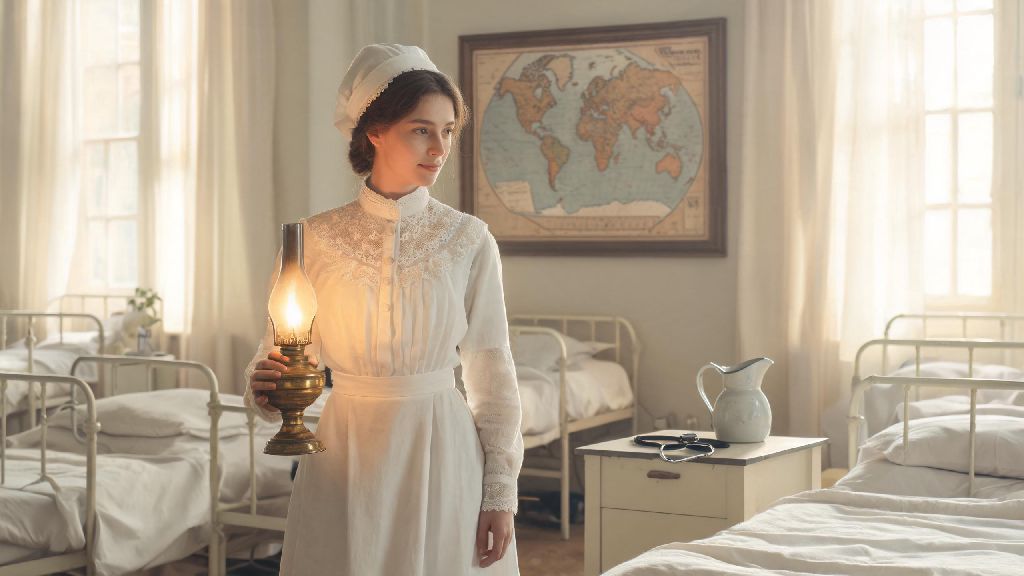
- 33 years old: Led a team of 38 volunteer nurses to the Crimean War front in Scutari, where she became known as the Lady with the Lamp for making nightly rounds to check on wounded soldiers.
- 38 years old: Published Notes on Nursing: What It Is, and What It Is Not, the first foundational textbook for modern nursing, which is still referenced in nursing programs today.
- 90 years old: Passed away peacefully in her London home, leaving behind a legacy that redefined healthcare, nursing education, and public health policy across the globe.
She also became the first woman to be awarded the British Order of Merit when she was 87 years old, a recognition of her decades of work to improve public health outcomes for both military personnel and civilian communities.
Why Her Age Adds Context to Her Unconventional Legacy
A lot of people assume Nightingale was a fresh-faced 20-something when she headed to the Crimean War, but that’s far from the truth. She spent her 20s building expertise, studying public health systems across Europe, and advocating for her right to work in a field that openly rejected women of her class. That means she didn’t just stumble into her work in the Crimea—she brought over a decade of focused study and preparation to that role, which is why she was able to identify gaps in care so quickly when she arrived.
Most of her public health policy reforms happened after she turned 40, which is a detail that’s often left out of simplified versions of her story. She contracted a mysterious chronic illness shortly after returning from the Crimean War that left her bedridden for nearly 30 years, but she still worked 12 to 14 hour days from her bed, writing reports, lobbying members of parliament, and designing nursing education programs. She didn’t slow down until well into her 70s, when her eyesight and hearing started to fade.
Her age also makes it clear that her success wasn’t the result of youthful naivety or luck. She made intentional, strategic choices for decades to build the credibility and expertise she needed to push for change in a system that was heavily dominated by wealthy men who didn’t take public health or nursing seriously.
Common Myths About Florence Nightingale’s Age and Life
There are a lot of persistent myths about Nightingale’s life that tie back to misinformation about her age and timeline. One of the most common is that she died shortly after returning from the Crimean War, worn out from her work on the front. That’s completely untrue—she lived for another 50 years after she came home from the war, and spent most of those years working on public health advocacy that saved hundreds of thousands of lives.
Another myth is that she was a young, unmarried woman who chose nursing because she had no other options. The reality is that she turned down multiple marriage proposals in her 20s to focus on her career goals, and her family was firmly against her choice to work in nursing for most of her early adulthood. She was far from the “amateur caregiver” that some outdated histories portray her as; she was a skilled statistician, policy advocate, and administrator who used data to push for change long before data-driven healthcare was common.
A third common myth is that she only cared for soldiers during the Crimean War. In reality, she spent most of her career advocating for better sanitation and healthcare access for working-class civilians, people living in poverty, and people living in colonial territories under British rule. She wrote thousands of pages of reports on public health best practices that were used across the British Empire and beyond for decades after her death.
How to Use This Context When Sharing Her Story
If you’re a teacher, trivia host, or just someone sharing Nightingale’s story with friends, her age at key milestones adds a lot of nuance that makes her story feel more relatable. For example, if you’re talking to teens about following their goals, you can point out that she was their age when she first realized what she wanted to do with her life, and she had to fight for years to make that happen. If you’re talking to people who feel like they’re “behind” on their career goals, you can note that she didn’t even start formal nursing training until she was in her 30s, and she didn’t become a household name until her mid-30s.
Don’t reduce her story to just the Lady with the Lamp trope—her decades of work after the Crimean War are far more impactful than her time on the front, even if that’s the part of her story that gets the most media attention. Make sure to highlight her work as a statistician too; she was one of the first people to use infographics to present public health data to policymakers, a practice that’s standard in public health today.
If you’re looking for further resources to learn more about her life, stick to peer-reviewed history resources or official nursing association publications to avoid the common myths that pop up in casual online content. You can also find digitized copies of her original notes and reports online, which give a firsthand look at her writing style and policy priorities.
At the end of the day, asking how old was florence nightingale at different points of her life isn’t just a trivial fact to memorize for a quiz. It’s a way to connect with her story on a more human level, and to see just how much one person can accomplish over a lifetime, even when they face pushback, illness, and systemic barriers. She spent 90 years living a life dedicated to caring for others, and the changes she made still benefit every person who visits a hospital, works with a nurse, or benefits from public health sanitation rules today. Even if you only knew her as the Lady with the Lamp before, you now have a more complete picture of just how much she achieved across her long, remarkable life.