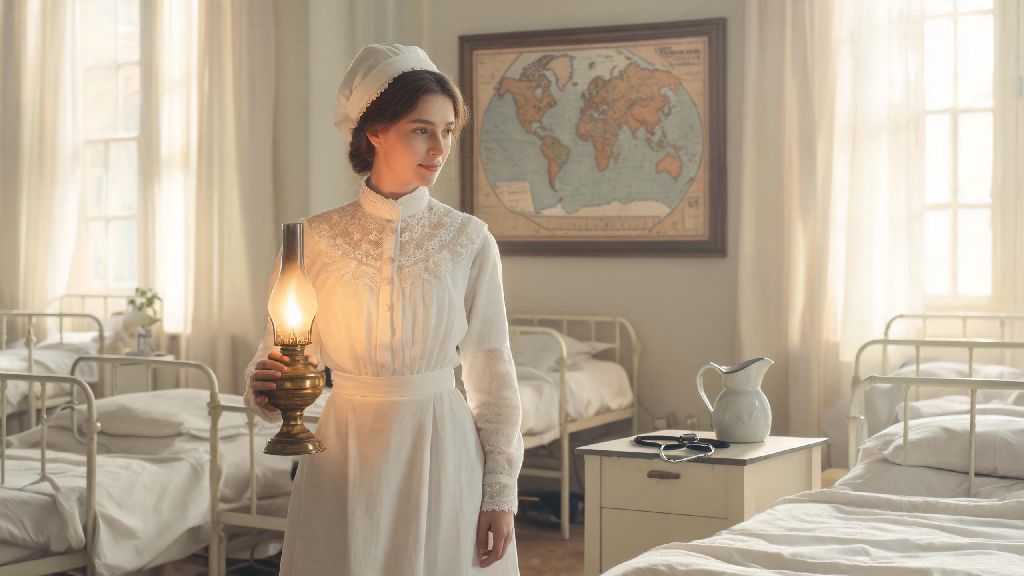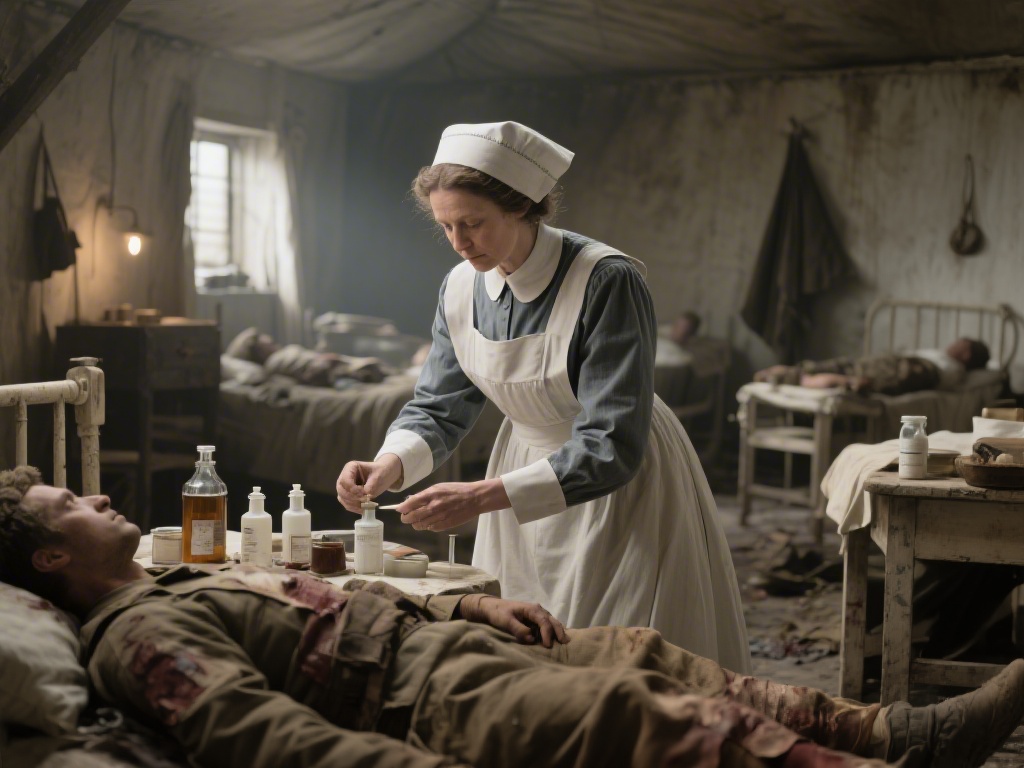
Florence Nightingale, born on May 12, 1820, is one of the most renowned figures in the history of nursing. Known for her pioneering work during the Crimean War, Nightingale's contributions to healthcare and nursing have left an indelible mark on the world. In this article, we delve into what Florence Nightingale was famous for, exploring her legacy and the impact she has had on modern healthcare.
1. The Crimean War Nurse
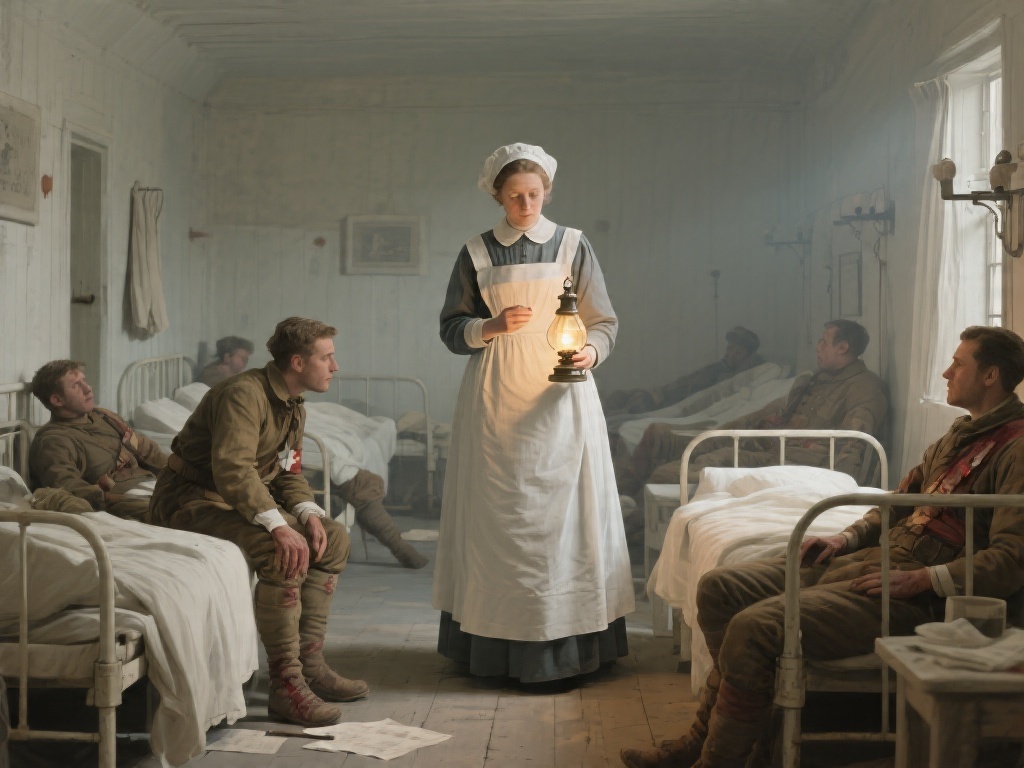
One of the most notable aspects of Florence Nightingale's career was her role as a nurse during the Crimean War. She was sent to Scutari Hospital in Turkey to care for wounded soldiers, where she faced numerous challenges, including unsanitary conditions and high mortality rates. Her efforts led to significant improvements in hospital hygiene and patient care, which saved countless lives.
2. The Founder of Modern Nursing
Nightingale is often referred to as the founder of modern nursing. After her experiences in the Crimea, she returned to England and founded the Nightingale Training School for Nurses at St. Thomas' Hospital in London. This institution laid the groundwork for the professionalization of nursing and the development of nursing as a respected profession.
3. The Nightingale Report
In 1858, Nightingale published the groundbreaking "Notes on Hospital Construction and Sanitary Administration," commonly known as the Nightingale Report. This report outlined her findings on hospital sanitation and management, which influenced healthcare policies worldwide.
4. The Nightingale Pledge
The Nightingale Pledge, also known as the International Council of Nurses (ICN) Pledge, is a set of ethical guidelines for nurses. Florence Nightingale herself did not write the pledge, but her philosophy and values heavily influenced its content. The pledge is recited by nurses during their graduation ceremonies.
5. Statistical Analysis and Data Visualization
Nightingale was a pioneer in the use of statistical analysis and data visualization to improve healthcare. She developed the "Nightingale Diagram," a polar area diagram used to represent hospital mortality rates, which helped to identify and address the causes of death among patients.
6. The Nightingale Prize
The Florence Nightingale Medal is the highest international honor awarded to a nurse or midwife. Established in 1907, the medal recognizes exceptional service and dedication to the nursing profession.
7. The Nightingale Museum
The Florence Nightingale Museum in London is dedicated to her life and work. It showcases her personal effects, letters, and the history of nursing, providing a comprehensive look into the life of this remarkable woman.
8. The Nightingale Library
The Florence Nightingale Library at St. Thomas' Hospital is the oldest and largest library of nursing literature in the world. It houses a vast collection of books, journals, and manuscripts related to nursing and healthcare.
9. The Nightingale Award
The Florence Nightingale Award for Global Health is given to individuals who have made significant contributions to global health. This award recognizes the ongoing impact of Nightingale's work on healthcare worldwide.
10. The Nightingale Legacy
The legacy of Florence Nightingale continues to inspire nurses and healthcare professionals today. Her dedication to improving healthcare, her innovative approaches to nursing, and her unwavering commitment to patient care have made her a revered figure in the history of nursing.
In conclusion, Florence Nightingale was famous for her groundbreaking work in nursing, healthcare reform, and her dedication to improving the lives of patients. Her legacy continues to shape the nursing profession and the world of healthcare.