If you’ve ever taken a basic nursing class, flipped through a public health textbook, or even read a list of famous women in history, you’ve definitely come across Florence Nightingale’s name. You might know she’s the founder of modern nursing, or that she cut hospital mortality rates drastically during the Crimean War with simple sanitation reforms. But if you’re digging into her personal backstory, you’ve probably asked: where was Florence Nightingale from? Most people assume she’s entirely British, but her roots are a little more layered than that, and understanding where she came from is key to understanding how she changed healthcare forever.
Where Was Florence Nightingale From? Breaking Down Her Exact Birthplace
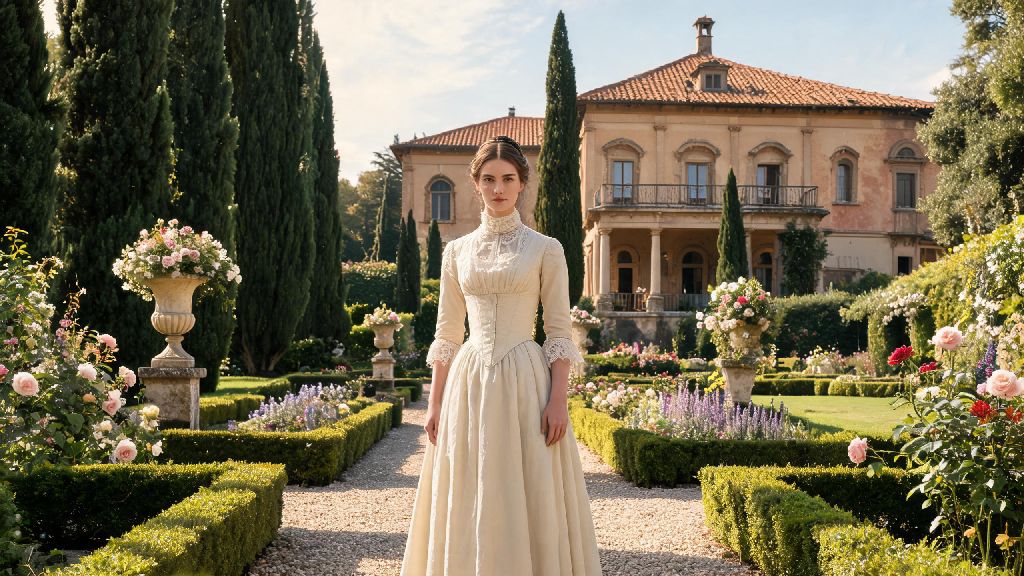
If you’re only looking for a short answer to where was Florence Nightingale from, you can stop here, but the context of her birth matters a lot more than just the location. Florence Nightingale was born in Florence, Grand Duchy of Tuscany (now part of modern Italy) on May 12, 1820. Her parents, William and Frances Nightingale, were wealthy British landowners on a two-year grand tour of Europe, a common practice for upper-class families of the era. She was actually named after the city she was born in, a common trend for well-off families at the time. I always thought it was funny that one of Britain’s most celebrated historical figures carries an Italian city name just because her parents liked traveling. Her family only stayed in Florence for a few more months after her birth, before moving back to their two family estates in Derbyshire and Hampshire, England. She held British citizenship by descent, and spent almost all of her childhood and adult life in the UK, though she visited her birth city several times as an adult. There’s now a small plaque outside the villa where she was born in central Florence, honoring her connection to the city.
How Her Cross-Cultural Upbringing Shaped Her Early Views
Florence’s family was part of the British upper class, which gave her access to opportunities almost no other woman of her era could get. Her father was a Cambridge-educated mathematician who personally taught Florence and her older sister Parthenope languages, math, history, philosophy, and statistics, subjects that were almost never taught to girls at the time. Her privileged upbringing gave her access to education most women of the 1800s could only dream of. The family also traveled frequently back to continental Europe when Florence was a child, visiting France, Germany, and Italy for months at a time, so she was exposed to different cultures and healthcare systems from a young age. She first felt what she called her “calling to nursing” when she was 16 years old, but her family was horrified at the idea. Back then, nursing was seen as a low-class job, mostly done by poor, uneducated women, and was often associated with poor hygiene and even questionable moral character. Her family tried to talk her out of it for years, even pressuring her to accept marriage proposals from wealthy suitors, but she refused. She studied nursing secretly for years, before finally getting formal training in Germany and France when she was in her 30s.
Common Myths About Florence Nightingale's Origins Debunked
Over the years, a lot of misinformation about Florence’s background has spread, mostly from simplified retellings of her life story. Let’s break down the most common myths you might have heard:
How Her Birthplace and Roots Influenced Her Life's Work
Even though she didn’t grow up in Italy, her family’s love of travel and cross-cultural exposure directly shaped the work she did later in life. Her experience with different European healthcare systems during her training and childhood travels directly informed the sanitation protocols she implemented during the Crimean War. When she arrived at the Scutari military hospital in 1854, the mortality rate for wounded soldiers was over 42%, mostly from preventable diseases like typhus and cholera caused by dirty conditions, lack of clean water, and rotten food. She implemented simple, evidence-based changes: regular laundry, clean bandages, fresh drinking water, daily ward cleaning, and nutritious meals for patients. Within six months, the mortality rate dropped to just 2%. She later used her statistical data from the war to push for national healthcare reform in the UK, leading to the first national public health act in 1848. She also founded the first formal nursing school in the world at St. Thomas’ Hospital in London in 1860, creating a standardized training program that turned nursing from a low-class job into a respected, professional career. She wrote over 200 books, pamphlets, and reports on healthcare during her life, many of which are still referenced in public health and nursing education today.
At the end of the day, if you were wondering where was Florence Nightingale from, the answer is a little more nuanced than a single country. Born in Italy to wealthy British parents, her cross-cultural upbringing and privileged education gave her the exact set of tools she needed to completely rewrite what nursing could be. I love that even 200 years later, her story reminds us that where you come from doesn’t define what you do, but it can give you unique advantages to make change if you’re willing to use them. If you’re planning to dive deeper into her life, don’t skip the parts about her early upbringing – they’re the key to understanding why she was so determined to fix a broken healthcare system that no one else cared to change. Her legacy extends far beyond her birthplace, touching millions of nurses and patients around the world to this day.