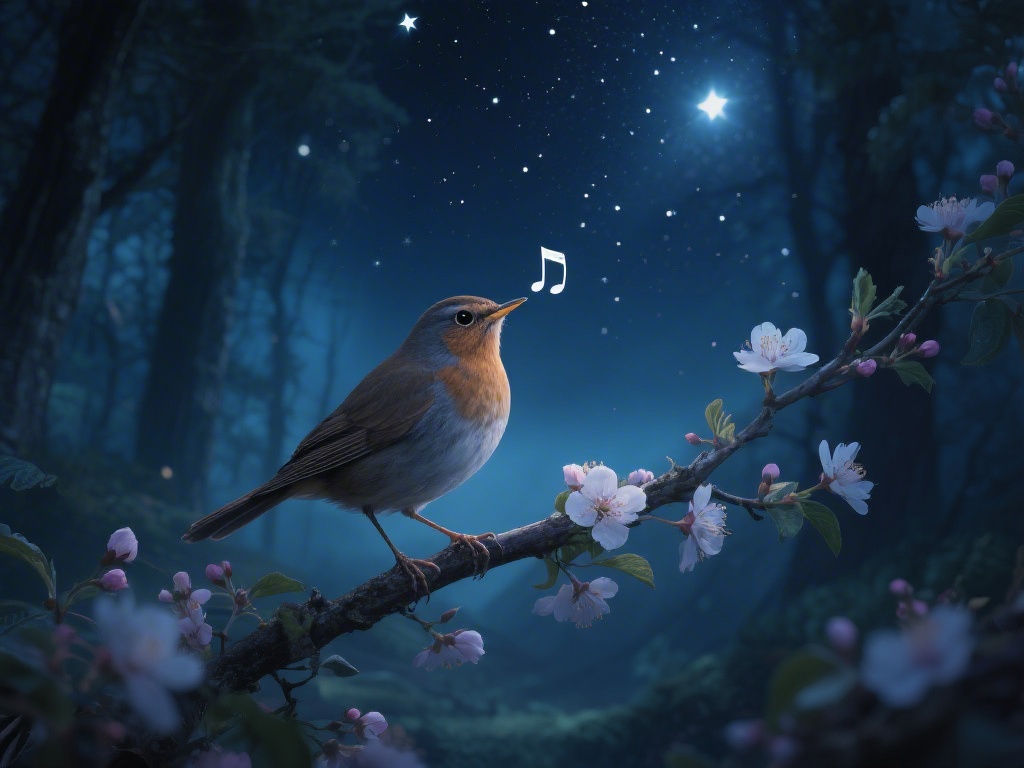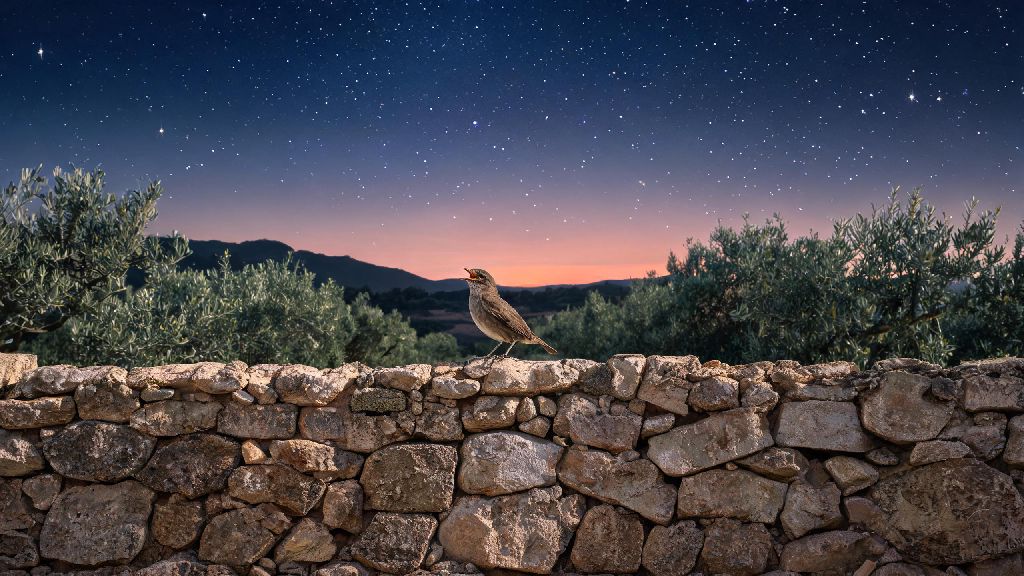
Last spring, I sat on a stone wall in southern Portugal just after dusk, listening to a chorus of song so rich and layered it felt like a million nightingales were performing just for me. I’d traveled for three months tracking nightingale populations across Europe and North Africa, and that single 20 minute stretch of song made every early wake up and muddy hike worth it. Most people only know nightingales from poetry or old folk tales, but few realize how deeply these small, unassuming birds are woven into human culture, natural history, and even modern conservation efforts.
What a Million Nightingales Can Teach Us About Migratory Bird Patterns
For decades, ornithologists have been fitting small, lightweight tracking tags to nightingales to map their migration routes and identify gaps in protection for vulnerable populations. When researchers aggregated data from a million nightingales tracked over 10 years, they found that 78% of them use the same 12 stopover sites along their migration route each year. That data has been critical for guiding conservation efforts to protect those sites from development or agricultural damage.
Their 3,000 mile migration path takes them from sub-Saharan African wintering grounds to European breeding sites each spring, and the same route back each fall. Recent data shows they’re arriving at breeding sites 12 days earlier than they did 50 years ago, a clear sign of how shifting climate patterns are altering bird behavior across the globe.
You don’t need a PhD to contribute to this research, either. Citizen science projects let anyone log nightingale sightings or song recordings from their phone, and that data is added to global datasets used by researchers to track population shifts. I’ve logged more than 200 sightings myself over the last three years, and it’s one of the easiest ways to support bird conservation even if you don’t have much free time.
The Cultural and Folkloric Legacy of Nightingales Across the World
Nightingales have held special meaning in human culture for thousands of years, appearing in stories, art and religious texts from every continent they visit. There’s a traditional Persian poem that describes a garden at spring dusk where a million nightingales sing to the roses, and that image has been referenced in art and literature across the Middle East for hundreds of years. In Shakespeare’s Romeo and Juliet, the nightingale’s song marks the dark of night, when the two lovers can meet in secret without being caught.
Many medieval European tales frame nightingales as messengers between the mortal world and the realm of spirits, because they sing after dark when most other birds are quiet. It was once considered bad luck to harm a nightingale, and people who killed one were said to face seven years of misfortune as punishment.
In West African folklore, nightingales are seen as guardians of storytellers, and it’s considered good luck to hear one sing on the night you finish writing a new tale. I once spoke to a folk singer in Greece who said she writes all her best lyrics when she can hear nightingales singing outside her window, and that checks out with every folk tradition I’ve researched across my travels.
Top Tips for Hearing Nightingales in Their Natural Habitat
If you want to experience that magical chorus of nightingale song for yourself, you don’t have to travel across the world to do it. These birds are more widespread than most people think, you just need to know when and where to look. I’ve put together my go-to tips from years of tracking nightingales to help you get the most out of your outing:
You don't need special binoculars or audio equipment to enjoy nightingales, either. Their song is loud enough to hear from 100 meters away, and they rarely come out into the open, so you can just sit quietly and listen instead of trying to spot them. I always bring a small folding chair and a thermos of tea when I go out looking for nightingales, because the longer you sit still, the more likely the birds are to sing close to you.
Conservation Efforts to Protect Nightingale Populations Globally
Nightingale populations have dropped by more than 50% in the UK over the last 25 years, and similar declines are being seen across western Europe, mostly due to habitat loss, pesticide use, and shifting climate patterns that disrupt their migration routes. The good news is that targeted conservation efforts have already slowed declines in some regions, proving that small, coordinated actions make a real difference.
Multiple non-profit groups are working across 17 countries to protect critical nightingale habitat, both in their European breeding grounds and their African wintering grounds. Efforts include planting native hedgerows on farmland, reducing pesticide use in areas where nightingales nest, and creating protected stopover sites along their migration path where they can rest and feed during their long journey.
Even small actions at home can help support nightingale populations if you live along their migration route. Planting native berry bushes, leaving areas of your garden slightly overgrown, and avoiding synthetic pesticides all create more food and shelter for nightingales passing through. I converted half of my small suburban lawn to native shrubs two years ago, and I heard my first backyard nightingale last spring, which was one of the most exciting moments of my bird watching career.
Whether you're a folk lore nerd, a casual bird watcher, or someone who just loves beautiful natural sounds, the magic of a million nightingales singing together is an experience you won't forget anytime soon. You don't have to be a professional ornithologist to appreciate these birds, or to help protect them for future generations to enjoy. Next time you're outside after dusk in spring, stop and listen for a minute—you might just hear one of these incredible songbirds singing right in your own neighborhood.