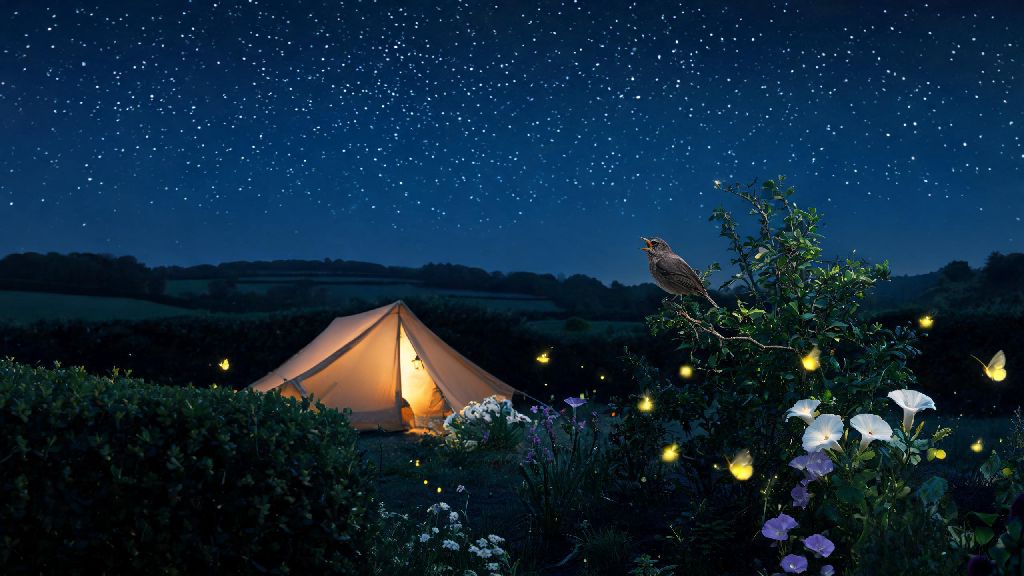
I still remember the first time I heard a nightingale sing. I was camping in quiet Kent, UK, on a mild mid-May trip focused on spotting rare local birdlife, and I woke up at 3am to the most complex, melodic sound I’d ever heard coming from the hedgerow right next to my tent. I’d always heard these birds only sang after dark, so I started digging into when do nightingales sing, and I quickly learned there’s far more to their vocal habits than most people realize. This guide breaks down everything you need to know to plan your own trip to hear these iconic birds in person, plus key tips to avoid disturbing them while you listen.
When Do Nightingales Sing Most Often?
The short answer is that nightingales sing most frequently during their breeding season, which runs from late March to early July across most of their European and Asian range. Unmated males are the most vocal, singing both during the day and after dark, while mated males only sing short bursts during daylight hours to defend their territory. Unmated male nightingales account for 90% of all nighttime singing, as they use their loud, far-carrying songs to attract a female from as far as half a mile away.
You’re most likely to hear night singing from mid-April to mid-May, when the highest number of males are still looking for mates. Once a male pairs up, he stops singing at night almost entirely, so night singing drops off sharply by late May in most areas. If you’re listening during the day, the best times are early morning (one hour after sunrise) and late afternoon (two hours before sunset), when other bird song is slightly less loud and nightingales are more active.
What Triggers a Nightingale to Sing?
Nightingales don’t sing randomly; their vocal behavior is driven by a mix of biological and environmental triggers that shift throughout the breeding season. Artificial light can disrupt nightingale singing patterns, for example, so you might hear males singing earlier in the evening or later in the morning in areas close to streetlights or built-up edges.
There are four core triggers that will make a male nightingale start singing:
You’ll almost never hear nightingales sing during heavy rain, strong wind, or very cold spring days. Their songs don’t carry well in bad weather, and they prioritize shelter instead of wasting energy calling when there’s almost no chance of attracting a mate or deterring a rival.
Common Misconceptions About Nightingale Singing
There are a lot of widely believed myths about nightingale singing that lead to people missing out on hearing them, or looking for them at the wrong time of year. The biggest myth is that nightingales only sing at night. In reality, around 70% of their total singing happens during the day, most people just don’t notice it because it’s drowned out by louder common bird species like blackbirds or robins, or background human noise.
Another common myth is that both male and female nightingales sing. Only male nightingales sing the famous complex, elaborate melodies we all associate with the species. Females only make short, sharp call notes to communicate with their mate, warn of nearby predators, or call to their chicks, but they never produce the long, melodic songs that make nightingales famous for.
Many people also assume nightingales sing year round, but that’s not true either. They stop singing entirely once breeding season ends in late July, and stay almost completely silent while they fatten up for their migration to sub-Saharan Africa for the winter. You won’t hear a single nightingale song in most of their northern range from August to February, no matter how long you wait. I learned that the hard way on a September walk looking for them a few years ago, I spent three hours tramping through hedgerows and didn’t hear a single note, because all the males had already stopped singing for the year.
How to Hear Nightingales Sing Without Disturbing Them
Nightingales are shy, protected birds in many parts of their range, so it’s important to follow basic rules when you go out to listen to them, to avoid stressing them out or disrupting their breeding behavior. First, head to their preferred habitat: thick, dense hedgerows, scrubland, or the edges of young deciduous woodlands, they almost never live deep in thick forests or open grasslands.
Use a red light headtorch if you go out at night to listen, white light will startle them and make them stop singing immediately, and can even cause them to abandon their territory if they feel threatened. Stay at least 10 meters away from the area you hear them singing, and don’t move around once you find a spot to listen. Nightingale songs have over 1,000 different sound variants, more than almost any other small songbird, so you’ll be able to pick out their unique call even from a distance.
Never play recorded nightingale calls to try to attract them closer. That wastes their energy they could be using to attract a real mate or feed their chicks, and can cause them to abandon their territory if they think there’s a rival male they can’t chase off. If you stay quiet and still, you might even get lucky and have a male sing very close to you, I once had one sing 5 meters away from me for 20 minutes, and it’s still one of the best wildlife experiences I’ve ever had. Leave dogs at home for these trips too, even leashed dogs leave a scent that makes nightingales hide and stop singing for hours after you’ve left the area.
Now you know when do nightingales sing, you can plan your next trip to hear them properly, whether you go for a daytime walk in late April or an evening listen in mid-May. Take the time to be respectful of these small, delicate birds, and you’ll get to experience one of the most magical sounds the natural world has to offer. Even if you only catch a few snippets of their song while you’re out walking, it’s an experience you won’t forget anytime soon.