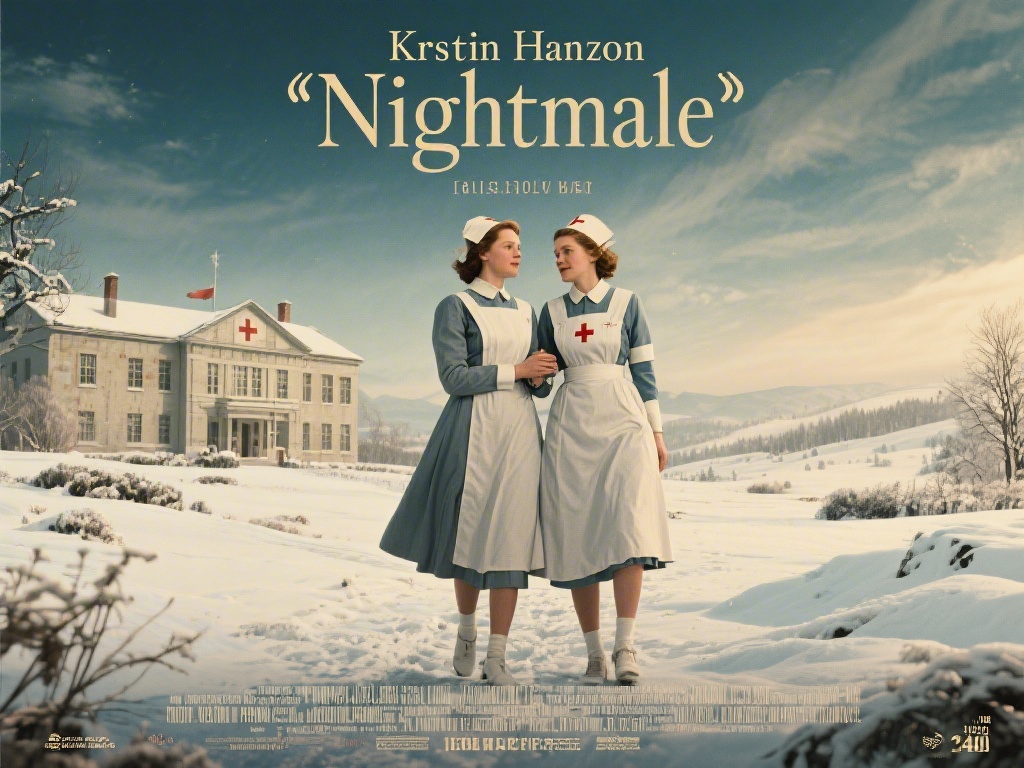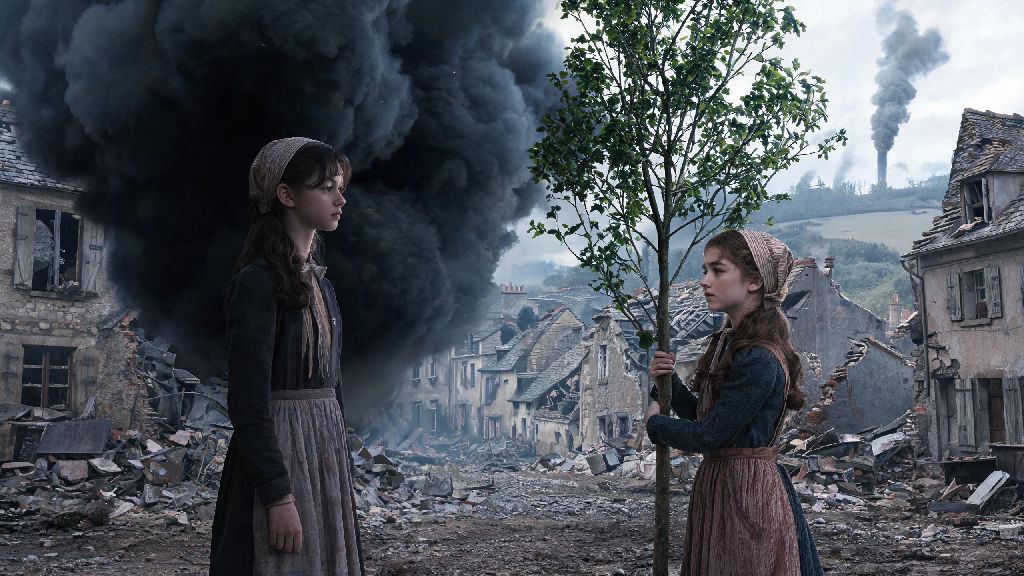
If you’ve ever scrolled through BookTok’s historical fiction tags, asked a friend for a book that will stick with you for months, or walked past the stacks of bestsellers at your local bookstore, you’ve almost certainly seen Kristin Hannah’s The Nightingale pop up. If you’re wondering what is the nightingale about by kristin hannah, you’re in the right place. I first picked up the book on a random rainy Saturday a few years ago, planning to read a few chapters before making lunch. I ended up skipping lunch, ignoring my texts, and finishing the whole 400+ page book before the sun went down, puffy-eyed and holding a half-empty box of tissues. This guide breaks down everything you need to know about the story, its themes, and what to expect before you read it, no major spoilers included.
What Is The Nightingale About by Kristin Hannah, At Its Core?
Set in 1939 France as Nazi forces invade and occupy the country, the story follows two sisters who live very different lives and take very different paths to survive the war. Vianne Mauriac is a quiet, gentle mother living in a small rural village, waiting for her husband to return from the front lines. When a Nazi officer is billeted in her home, she has to make impossible choices to keep her young daughter safe, even when those choices feel like a betrayal of her values. Isabelle Rossignol, Vianne’s 18-year-old younger sister, is impulsive, rebellious, and desperate to fight back against the occupation. She joins the French Resistance, taking on the code name “Nightingale” as she smuggles downed Allied airmen across the border to safety in Spain. The novel is loosely inspired by the real stories of 2,000 French women who helped hundreds of Allied troops escape Nazi-occupied Europe during the war. Hannah has said she wanted to write a story that honored these women, whose efforts were almost entirely left out of official WWII history books for decades.
The Unforgettable Core Characters of The Nightingale
What makes the book feel so real and so emotionally resonant is that neither of the two sisters is written as a perfect hero. Vianne doesn’t run off to join the resistance, and she often makes choices that feel cowardly to readers who first side with Isabelle’s fiery passion. She’s just a woman who wants to keep her child alive, and that kind of quiet, unglamorous courage is rarely centered in war stories. Isabelle, for all her bravery, makes reckless mistakes that put herself and other people at risk. She’s young and angry and has something to prove, which makes her wins feel more earned and her losses hit harder. Neither sister is framed as “right” or “wrong” for the choices they make during the war. I’ve had dozens of debates with friends about which sister we’d be more like if we were in their position, and there’s never a clear answer. Both types of courage matter, and both kinds of loss leave scars that last long after the war ends.
Key Themes That Make The Nightingale A Timeless Bestseller
Part of why the book has stayed on bestseller lists for over a decade after its release is that it’s far more than just a WWII story. Its core themes are universal, and they resonate with readers who don’t even typically like historical fiction. Some of the most prominent themes include:
Over 4.5 million copies of the book have been sold worldwide, and it has been translated into 45 languages. It’s been picked for dozens of celebrity book clubs, and a film adaptation starring Elle and Dakota Fanning is currently in the works. Even people who say they “hate historical fiction” tell me this book is the exception to the rule.
What You Should Know Before Reading The Nightingale
Before you grab your copy, there are a few small things to keep in mind to get the most out of the read. First, don’t go into it expecting a fast-paced action thriller. Most of the most powerful moments are quiet, small scenes: Vianne sharing her last piece of bread with a neighbor’s starving child, Isabelle sitting with a wounded airman in her attic as Nazi soldiers search the house below. The tension builds slowly, and it hits harder because of it. Second, have tissues handy. I’m not someone who cries easily at books, and I cried three separate times during the last 50 pages. A lot of readers tell me they had to put the book down for a few minutes to process the ending, so give yourself time to take it all in. Third, if you’re sensitive to depictions of war violence, there are some hard scenes, but Hannah never uses graphic violence for shock value. Every hard moment is there to serve the story and honor the real people who lived through those experiences. You don’t need to know a lot about WWII France to follow the story, either. Hannah includes just enough context to keep you grounded without info-dumping or slowing down the plot. If you’re reading it with a book club, you’ll have hours of conversation material once you finish, from the choices the sisters made to the parts of the story that stuck with you the most.
At the end of the day, if you’ve been curious about what is the nightingale about by kristin hannah, the short answer is that it’s a story about ordinary people doing extraordinary things when the world around them feels like it’s falling apart. It’s a love letter to the women whose stories are too often left out of history books, and a reminder that courage doesn’t always look like holding a weapon or making a big, loud speech. Sometimes it looks like getting up every morning to take care of the people you love, even when you have no idea if you’ll make it through the day. I still find myself thinking about Vianne and Isabelle when I hear stories of people standing up for others in hard times, and that’s the mark of a truly great book. If you haven’t read it yet, carve out a slow weekend, grab some snacks and a box of tissues, and give it a go. It’s worth every tear.