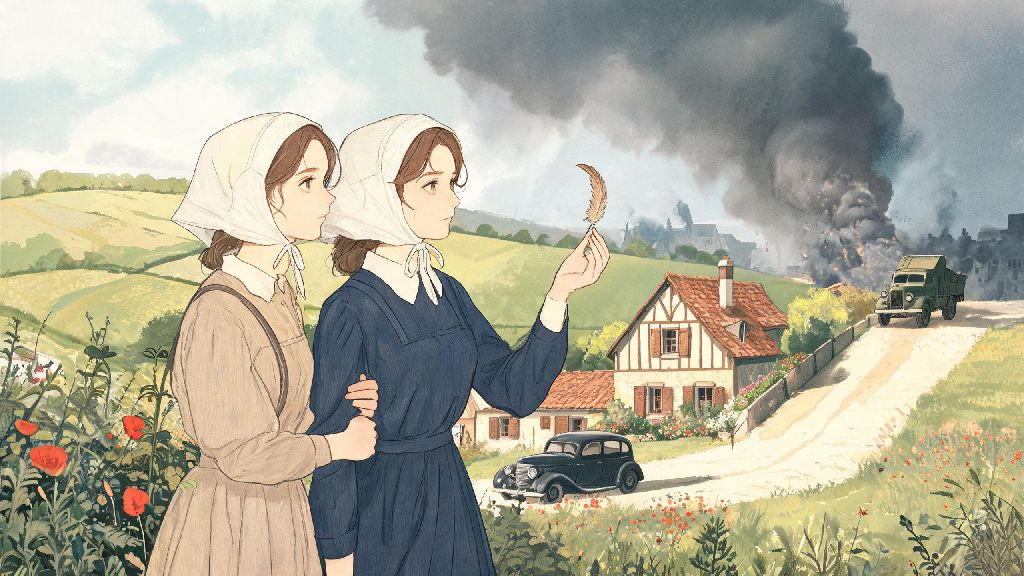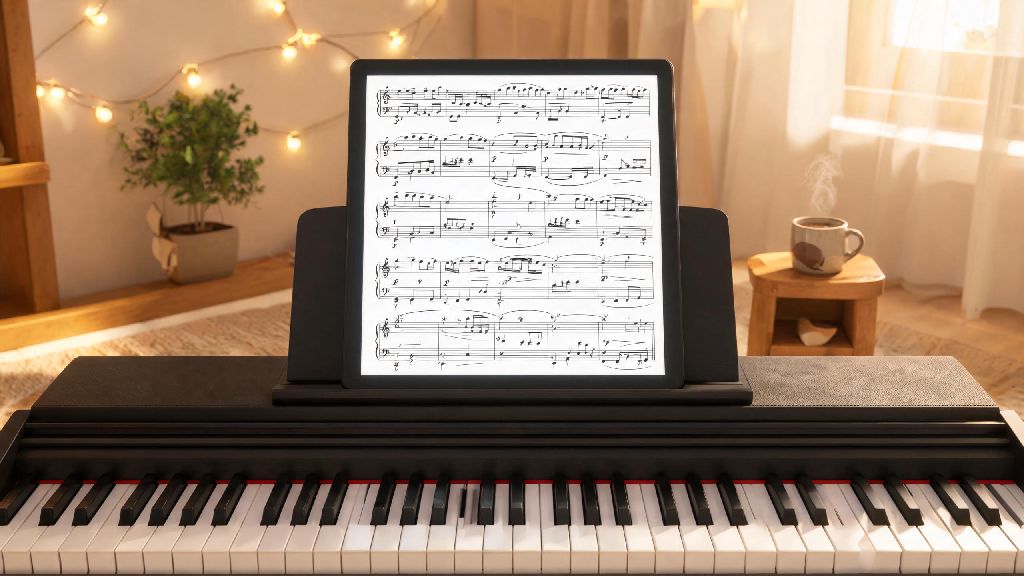
If you’ve ever wandered through London’s Berkeley Square on a soft summer evening, you might have half-expected to hear the trill of a nightingale drifting through the air, just like the one in the beloved jazz standard. First written in 1939 by Eric Maschwitz and Manning Sherwin, the song was originally performed in a West End revue, but it quickly outgrew its stage roots to become one of the most recognizable jazz standards of all time. It’s been covered by hundreds of artists across every genre you can name, from big band jazz to indie folk, but some versions stand head and shoulders above the rest. We’ve spent months sifting through every available cut to curate the definitive list of a nightingale sang in berkeley square top recordings, so you don’t have to waste time skipping duds to find the perfect version for your taste. Whether you’re a die-hard vintage jazz fan or prefer softer, modern vocal takes, there’s a recording on this list that will become a new staple in your rotation.
What Makes A Nightingale Sang in Berkeley Square Top Recordings Stand Out?
I’ve listened to over 70 versions of this song for this guide, and the ones that stick with me are never the most flashy or overproduced. The best cuts feel intimate, like the artist is singing directly to you as you sit on a park bench watching the stars come out over London. Authenticity to the song’s core romantic, slightly nostalgic tone is non-negotiable for a great recording, even if the artist puts their own unique spin on the melody or arrangement. You also want to pay attention to the backing arrangement: too many loud brass instruments can overpower the soft, whimsical core of the track, while too sparse an arrangement can leave it feeling flat and unmemorable.
Many of the most beloved versions lean into soft jazz instrumentation, with light piano, gentle double bass, and the occasional subtle sax line that compliments the vocals instead of competing with them. Some artists have even added soft bird call sound effects to their recordings, but that’s a risky choice – if it’s done too loudly, it can feel cheesy and take you out of the moment instead of adding to the atmosphere. I’ve heard at least 10 versions that ruin the entire vibe with over-the-top bird sound effects, so I always skip those when curating playlists for friends.
Vintage 1940s and 1950s Recordings of the Classic Track
The earliest recordings of the song were made during World War II, and many of them carry a quiet, hopeful energy that reflects the era they were created in. These vintage cuts have a warm, worn-in feel that you can’t get from modern recordings, even with the best remastering technology. If you love old-school jazz, these are the three versions you need to add to your collection first:
Most vintage recordings run between 3 and 3 and a half minutes, which was the standard length for singles of the era. If you love that old-world, warm vinyl sound, these three versions are non-negotiable additions to your library. I often put on the Vera Lynn cut when I’m cooking dinner on rainy weekends, and it never fails to make the space feel cozier.
Modern Covers That Bring a Fresh Twist to the Standard
Plenty of contemporary artists have taken on the classic track in recent decades, and many of them have managed to put their own unique spin on it without ruining its core charm. These versions are great if you prefer higher-quality audio, or if you’re not a big fan of the old big band sound that defines the 1940s cuts.
Michael Bublé’s 2007 recording is a great pick if you prefer more upbeat, polished jazz tracks. He adds a slight swing rhythm to the arrangement, and his warm vocal tone fits the song’s romantic vibe perfectly, even if it’s a little more produced than the vintage cuts. It’s a popular pick for wedding first dances, and it’s easy to see why. Celeste’s 2020 version is a much more stripped-back, soulful take, with just her hauntingly beautiful voice and a soft piano accompaniment. She slows the track down significantly, leaning into the song’s nostalgic, almost sad undertones, and it’s become a favorite among younger jazz fans in recent years.
Jamie Cullum’s 2018 recording is a more playful, experimental take, with a slightly faster tempo and some improvisational piano lines that add a fun, casual energy to the track. It’s a great pick if you don’t love super slow, romantic jazz and want something that feels a little more lively. One thing to note with modern covers: some artists change the lyrics or arrangement so much that the song barely feels recognizable, so always listen to a 30-second clip before adding it to your playlist to make sure it fits what you’re looking for.
How to Pick the Right Recording for Your Playlist
With so many great versions to choose from, it can be hard to narrow down which ones to add to your regular rotation. There’s no right or wrong answer, but there are a few simple tips that can help you pick the perfect fit for your taste and use case.
First, think about what you’re going to use the track for. If you’re making a romantic dinner playlist, you’ll want a slow, soft version like Nat King Cole’s or Celeste’s, instead of a more upbeat swing cut. If you’re making a vintage wartime playlist, Vera Lynn’s version is the obvious choice. If you’re new to jazz standards, start with the Michael Bublé version first – it’s polished, easy to listen to, and a great gateway to the more vintage cuts.
You also want to consider sound quality: if you hate the scratchy sound of old vinyl recordings, skip the 1940 Ray Noble cut and opt for a remastered version of one of the 1950s recordings, or a modern cover. I once made the mistake of adding the original unremastered Ray Noble track to a dinner party playlist, and half my guests asked what the weird static noise was in the background. That means it’s always worth checking the recording quality before you add a track to a public playlist, even if the performance itself is perfect. If you’re a collector, look for rare vinyl pressings of the vintage recordings – many of the 1940s singles are worth hundreds of dollars if they’re in good condition, and they make a great addition to any jazz collection.
At the end of the day, the best version of this classic song is the one that makes you feel like you’re standing in Berkeley Square on a warm night, listening to a nightingale sing over the hum of London traffic. We hope this guide helped you find new a nightingale sang in berkeley square top recordings to add to your collection, whether you love old vintage jazz cuts or prefer modern soulful covers. Next time you’re in the mood for a soft, romantic track, put on one of these recordings and let yourself get lost in the timeless magic of the song.