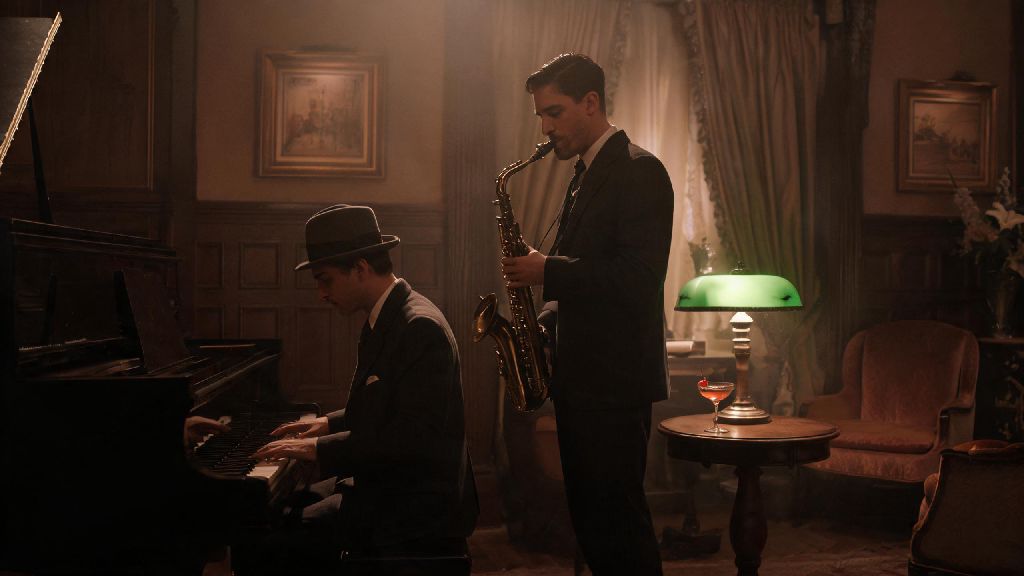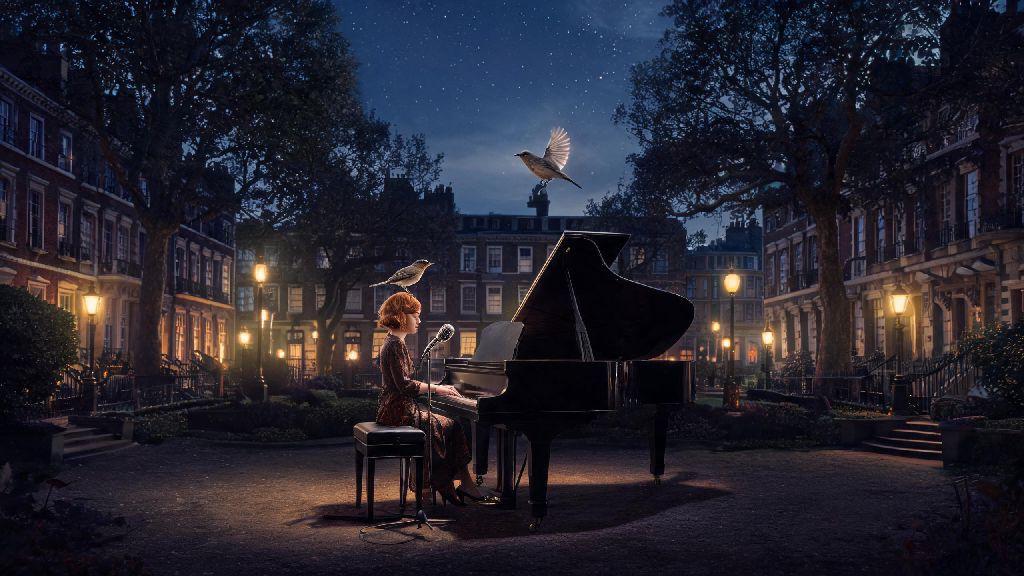
If you’ve ever wandered through London’s Mayfair on a soft spring evening, or stumbled across a dusty old jazz playlist while making weeknight dinner, you’ve probably heard the soft, lilting tones of “A Nightingale Sang in Berkeley Square.” Today, we’re breaking down the a nightingale sang in berkeley square lyrics meaning, from the context it was written in to the small, subtle lines that make it feel just as relevant today as it did when it first hit airwaves. Most people write it off as a simple romantic ballad, but there’s far more hidden in its verses than you might expect, especially if you don’t know the tense, uncertain era it was born from.
What Is the Core A Nightingale Sang in Berkeley Square Lyrics Meaning?
On its surface, the song is a straightforward romantic ballad about two people who meet by chance in Berkeley Square, a small, tree-lined public space in the heart of London’s upscale Mayfair neighborhood. The nightingale referenced throughout the track is a classic symbol of rare, unplanned joy in British folklore, often tied to moments that feel too perfect to be real. The core meaning centers on the idea that even the most ordinary, unassuming locations can feel magical when you’re with the right person.
You might be surprised to learn that nightingales don’t actually nest or live in central London, let alone in busy, built-up Berkeley Square. That’s not an oversight from the song’s writers, Eric Maschwitz and Manning Sherwin. It’s an intentional choice, meant to drive home just how transformative the couple’s connection is: their meeting is so special, it makes a bird that never visits the area appear to sing just for them.
The pair wrote the song in 1939, while staying in a small cottage in the English countryside, and it first was performed in a London revue later that same year. It was an immediate hit with local audiences, who latched onto its soft, hopeful tone at a time when most news felt overwhelmingly grim.
The Wartime Context That Shapes Its Hidden Layers
To fully grasp the depth of the lyrics, you have to understand the moment it was written in. By the summer of 1939, it was clear to almost everyone in Britain that war with Germany was inevitable. People were preparing for blackouts, food rationing, and years of separation from loved ones, so fleeting moments of peace and joy felt more valuable than they ever had before.
Lines like “that certain night, the night we met, there was magic abroad in the air, there were angels dining at the Ritz” aren’t just flowery poetic language. For listeners in 1939, they were a nod to the final months of normal life before the Blitz began, when people still could eat at fancy restaurants, walk through city squares after dark, and meet someone new without worrying if they’d be deployed overseas the next month. For listeners in the 1940s, the song was far more than a love track: it was a reminder of the beautiful, small moments worth fighting for.
I’ve talked to older family members who grew up in London during the war, and they say this song would make everyone in underground air raid shelters pause for a minute, remembering what life was like before the bombs started falling. It didn’t matter if you were young or old, rich or poor, everyone had a memory that the song brought back to the surface.
Common Misinterpretations of the Lyrics
Given how old the song is, it’s no surprise that a lot of myths have popped up around what its lyrics actually mean. We’re breaking down the most common ones below:
A lot of people get frustrated when they learn there are no nightingales in Mayfair, but that’s the entire point of the line. The writers were leaning into the idea that deep joy can make impossible things feel real, even if it only lasts for a minute. You don’t need to see an actual nightingale to feel like one is singing just for you when you’re in a moment that feels perfect.
Why the Lyrics Still Resonate With Modern Listeners
It’s rare for a song written more than 80 years ago to still get regular radio play, new covers, and millions of streams every year, but this track has managed to stay relevant across generations. Part of that is down to how versatile its core message is. You don’t need to have lived through WWII to understand what it feels like to have a moment so perfect, you never want it to end.
After the past few years of global uncertainty, lockdowns, and widespread stress, a lot of younger listeners have latched onto the song’s celebration of small, fleeting joy. Its timeless appeal comes from how universal its core message is: everyone has had a moment that felt too perfect to be real, even if it only lasted a few minutes. It’s been covered by artists ranging from Vera Lynn, the iconic “Forces’ Sweetheart” of WWII, to Frank Sinatra, to recent British soul singer Celeste, so it’s been passed down through family playlists for decades.
If you’re listening to it for the first time, don’t get caught up on the dated 1930s references to the Ritz or Mayfair social life. Try to focus less on the specific references and more on the soft, hopeful feeling the lyrics are trying to capture. If you ever get the chance to walk through Berkeley Square yourself, play the song on your headphones while you’re there. It’s a surreal, lovely experience that makes the lyrics feel tangible, even 80+ years after they were written.
At the end of the day, the a nightingale sang in berkeley square lyrics meaning is far more layered than a quick first listen might suggest. It’s equal parts love song, wartime tribute, and celebration of the small, magical moments that make life worth living, even when times are hard. Whether you’re a long-time fan or you just heard it for the first time on a random playlist, taking the time to unpack its lyrics will make every future listen feel that much more special.