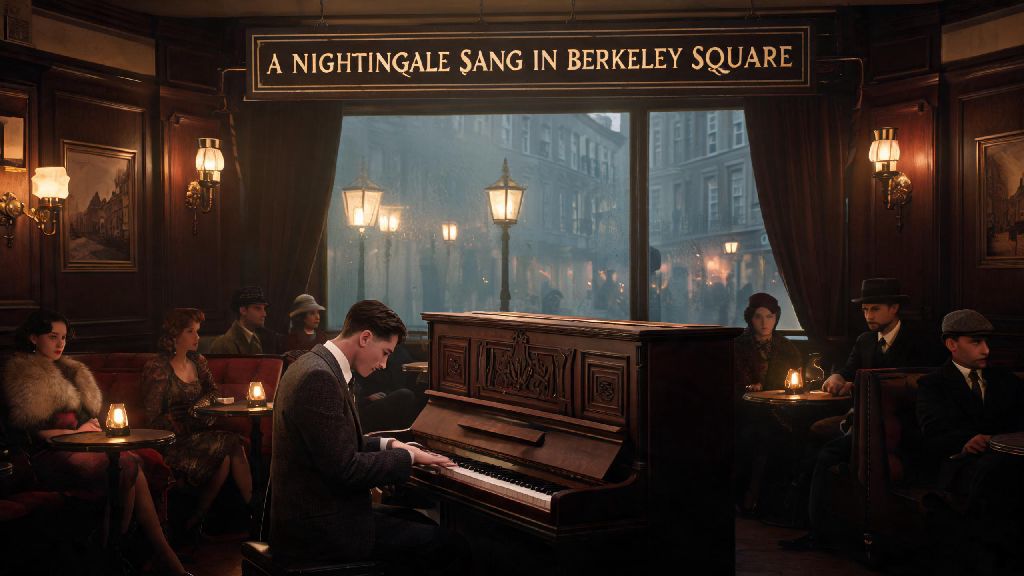
I first stumbled through a nightingale sang in berkeley square piano accompaniment at a tiny London jazz pub back in 2019. The vocalist had sprung the song on me 10 minutes before our set, and I fumbled half the chord transitions, rushed the tempo, and completely drowned out her verse about the moon over Mayfair. I left that gig embarrassed, and spent the next three weeks picking apart every existing arrangement of the track to figure out what I’d done wrong. If you’re prepping to play this iconic 1930s jazz standard for a gig, recording, or even just casual jam sessions, this guide will save you from the same mistakes I made.
What Makes A Nightingale Sang in Berkeley Square Piano Accompaniment Unique
Unlike most swing-era jazz tracks that rely on predictable 12-bar blues or 32-bar AABA structures with simple chord progressions, this track has a soft, romantic core that prioritizes storytelling over flashy instrumentation. It was written in 1939 by Eric Maschwitz and Manning Sherwin, just weeks before World War II broke out across Europe, and the arrangement is designed to feel like a quiet, hopeful escape from growing chaos. The core harmonic structure relies on extended 7th and 9th chords that shift gently, rather than jumping between sharp, contrasting progressions that you’d find in more upbeat swing tracks of the same era.
Most official arrangements are written in E flat major, a key that feels warm and mellow on both piano and for most vocal ranges, and the tempo sits comfortably at 80 to 90 BPM. You won’t find any wild piano solos or fast-paced bass runs in the original arrangement, because the entire track is built to support the vocalist’s storytelling. That’s the biggest mistake I made my first time playing it: I treated it like a standard jazz track where I could show off my improv skills, when it actually requires the piano to take a backseat for almost the entire runtime.
You’ll also notice that the original recording has very little sustain pedal used. The production team wanted the track to feel intimate, like it was being played in a small sitting room rather than a grand concert hall, so each chord cuts off cleanly without blurring into the next. That small detail is what makes the track feel so personal, even 80+ years after it was first released.
Key Tips to Nail the Accompaniment for Live Performances
After playing this track at more than 40 gigs across pubs, wedding receptions, and small festival stages, I’ve narrowed down the non-negotiable rules for getting it right every single time. The first thing you need to do is lock in the tempo with your vocalist before you even step on stage. Some vocalists prefer a slower, more mournful take, while others lean into the soft swing feel, so you don’t want to assume your preferred speed matches theirs. Left-hand bass lines should never compete with the vocalist’s lower register, so stick to soft, single notes or very light octaves instead of loud, punchy bass runs.
When it comes to structuring your playing across the track, follow this simple framework to build emotion slowly:
If you’re a newer piano player, don’t feel pressured to play the full extended chord arrangement right away. You can simplify the chords to basic triads for verses, and add in 7ths only for choruses until you’re comfortable with the transitions. It’s always better to play a simple, clean arrangement well than to fumble through a complex one that distracts from the vocalist. I still play a slightly simplified version for casual pub gigs, because the audience doesn’t notice the missing extended chords, but they definitely notice if I mess up a transition.
For the 8-bar instrumental interlude halfway through the track, keep your improv very subtle. Stick to soft variations of the existing melody, don’t add in any fast runs or unexpected chord shifts, and keep the volume low enough that the audience can still chat or sway along without being distracted by your playing. Remember: this interlude is a break for the vocalist, not a solo spot for you.
Common Mistakes to Avoid With This Arrangement
I’ve seen even very experienced piano players mess this track up because they don’t respect its core tone. The most common mistake is rushing the tempo when you get nervous. It’s easy to speed up gradually through the verses, especially if the audience is quiet and you’re worried about lulls, but speeding up completely kills the soft, dreamy vibe of the track. I always tap my foot lightly under the piano through the entire song to keep myself locked to the original tempo, and I’ve even used a tiny in-ear metronome for high-stakes gigs like weddings.
Never shift the key without checking the vocalist’s comfort first. I once made the mistake of transposing the track to C major for a gig because I thought it would be easier to play, only to find out the vocalist’s lowest note didn’t carry in the pub’s acoustics, and half the audience couldn’t hear the first verse. The E flat major original is chosen for a reason: it sits perfectly in the range of most alto and tenor vocalists, and the warm tone of the key is a big part of the track’s charm. If you have to transpose, test it out in at least two full rehearsals before you play it live.
Another common mistake is over-decorating the melody with trills and runs. I’ve seen piano players add so many extra notes to the verse accompaniment that the vocalist has to sing louder just to be heard, and the whole track loses its soft, intimate feel. If you want to add small decorative touches, only add them to the end of phrases where the vocalist is pausing, so you don’t compete with their lines.
Don’t crank the volume for the final chorus too much either. The track is supposed to feel like a quiet secret shared between the performer and the audience, not a big, loud anthem. You can add a little extra weight to the chords for the final verse and chorus, but keep the volume at least 20% lower than you would for a regular jazz track’s big finish.
How to Adapt the Accompaniment for Different Settings
The standard arrangement works great for small jazz gigs, but you can tweak it to fit almost any performance setting without losing the track’s core charm. For wedding receptions or proposal sets, you can slow the tempo down to 75 BPM, and add soft, high-range arpeggios under the verses to make it feel even more romantic. Adapt your dynamics to match the venue size before you start playing – if you’re in a big, echoey wedding barn, you can use a little more sustain pedal to fill the space, but if you’re in a tiny coffee shop, keep the pedal use to a minimum to avoid muddling the sound.
For street performances or busking sets, you can make a few small changes to cut through background noise. Boost the left-hand bass line volume just a little, and play slightly fuller chords through the verses so people walking by can hear the melody clearly. You can also speed the tempo up slightly to 95 BPM to catch people’s attention faster, though I don’t recommend going any faster than that, or you’ll lose the track’s romantic vibe.
If you’re recording the track for a demo or album, you have a little more flexibility to add extra layers. You can double the soft arpeggios on a higher octave for the final chorus, or add a very subtle soft synth pad under the piano to make the sound feel fuller. Just make sure you still leave plenty of space for the vocalist, and don’t add so many extra elements that the track feels cluttered. I recorded a version last year for a local vocalist’s demo, and we only added one extra layer: a very quiet, muted cello line under the final chorus, and it made the whole track feel warm without taking away from the core piano and vocal arrangement.
If you’re playing the track for a solo piano set without a vocalist, you can take a few more liberties. You can play the melody line with your right hand, add a little more improv to the interlude, and even adjust the dynamics to build a little more for the final chorus. Just keep the core tempo and chord structure intact, so audiences can still recognize the iconic track.
At the end of the day, playing a nightingale sang in berkeley square piano accompaniment well is all about restraint and respect for the story behind the track. It’s not a song that rewards flashy playing or complex improv; it rewards patience, attention to detail, and a focus on supporting the vocalist and the story they’re telling. I still get a little nervous every time I sit down to play it, but after years of practice, it’s also one of my favorite tracks to perform. I’ve had audience members come up to me after gigs to say the track reminded them of their first date, their wedding day, or a loved one they lost, and that’s the magic of this song: it’s more than just a jazz standard, it’s a little piece of history that still feels relevant today.