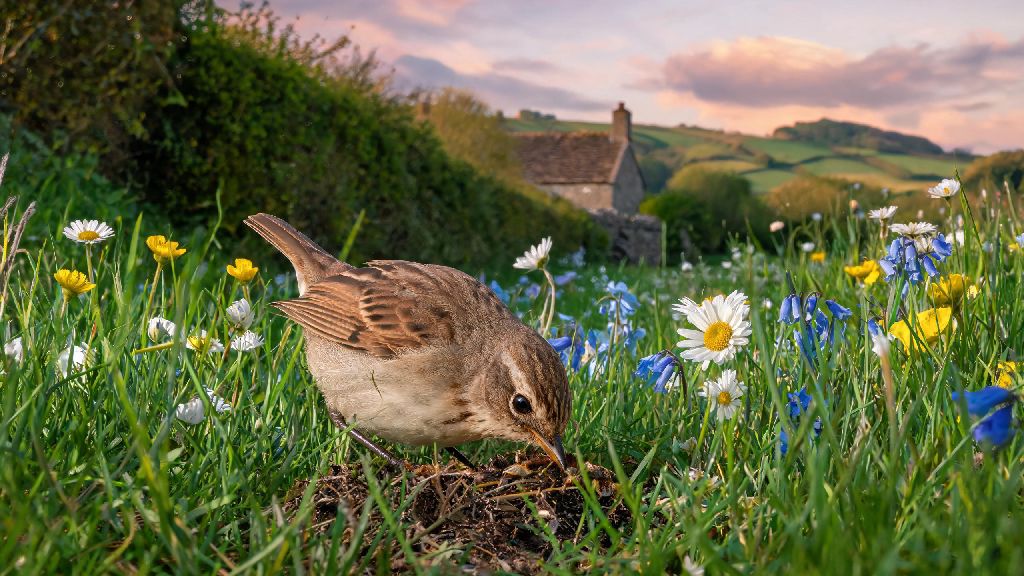
If you’ve ever stayed up late on a spring night in rural France, you’ve probably heard it: that clear, melodic birdsong that cuts through the quiet dark, referenced in hundreds of years of art, literature and folk tales across every French-speaking region. If you’re learning French, planning a trip, or even just curious about how to talk about global wildlife in other languages, you’ve likely stopped to wonder how to say nightingale in French. A lot of French animal translations are straightforward, but this one comes with a handful of common pronunciation and spelling pitfalls, plus a ton of cultural context that makes the word way more interesting than a basic dictionary entry. In this post, we’ll cover everything from the exact translation to natural pronunciation tricks, common phrases, and cultural references so you can use the word correctly every time.
How to Say Nightingale in French: Exact Translation & Spelling
The official, standard translation of nightingale in French is rossignol, and it is a masculine noun, so you will use the article le when referring to it in a general sense. That’s the only standard translation you need to know, so if you were searching for how to say nightingale in French for a school assignment, travel phrase list, or casual conversation, this is the word you’re looking for. There are no regional variations for the word across mainland France, Belgium, Switzerland, or most French-speaking African countries, so you can use it anywhere without worrying about miscommunication.
A lot of new French learners misspell the word at first, so it’s worth noting the small details that matter. The word has a double s in the first syllable, and ends with the letter combination gnol. I first messed up the spelling when I was writing a report on French folk music for my college French class, and my professor marked it down three times before I got it right. She told me that misspelling it with one s changes the sound of the first syllable enough that native speakers might not recognize the word right away, so it’s worth memorizing the correct spelling early on.
Simple Tricks to Pronounce 'Rossignol' Like a Native French Speaker
Spelling is only half the battle, and pronunciation is where most learners get tripped up with this word. The spelling looks tricky at first glance, but if you break it into three small syllables ros-si-gnol, it becomes much easier to say correctly. There are a few specific sound rules that apply to this word that you’ll want to remember to avoid common mistakes.
The "gn" combination in the middle makes a soft "ny" sound, identical to the "ny" in the English word "canyon", so you don’t pronounce the g and n as separate sounds. You don't pronounce the final "l" in most casual French speech, even if some formal dictionaries list it as optional, so the word ends with a soft "oh" sound for most daily conversations. The double s in the first syllable is pronounced as a soft s, not a z sound, even though it sits between two vowels, which is a rare exception to standard French pronunciation rules.
The most common mistakes new learners make with this word are easy to avoid if you keep these simple rules in mind:
- Don't pronounce the double "s" as a hard "z" sound — it stays soft, like the "s" in "sun"
- Skip the hard "g" sound entirely; the "gn" pair works as a single consonant sound
- Don't stress the final syllable, as you would in English — French words put equal stress on all syllables
I used to pronounce the final l for months when I first learned the word, and my French host family would laugh every time I talked about hearing a rossignol on our evening walks. They said it sounded like I was talking about a completely different, made-up bird, so don’t feel bad if you mess up the pronunciation at first. Most native speakers will be happy to correct you gently if you ask for feedback.
Cultural Context: When You'll Hear 'Rossignol' Used in French Conversation
You might be surprised how often you hear this word when you’re spending time in French-speaking regions, even if you don’t talk about birds very often. Rossignol is one of the most referenced birds in French poetry and folk music, dating back to the 12th century, so it pops up in all kinds of media and casual conversation. It’s most often associated with spring, romance, and secret late-night meetings in old folk tales, so you’ll see it referenced in everything from classic novels to modern pop songs.
In everyday conversation, you’ll hear people talk about le chant du rossignol (the nightingale’s song) as a marker that spring has fully arrived, especially in rural areas where the birds are common. If you’re hiking in the French Alps, the Loire Valley, or the forests of Quebec, locals might point out rossignol nests in low tree branches, or mention that the birds start singing for the season in mid-April and stop by early June. There’s also a small, sweet almond pastry called le rossignol that’s popular in northern France and Belgium, named after the bird because it’s small, delicate, and golden brown like the bird’s feathers.
The word is the same in both formal and casual speech, so you don’t have to worry about switching to a different term for work meetings, school assignments, or chats with friends. That makes it one of the easier French words to add to your active vocabulary right away, no context-specific adjustments needed.
Common Phrases Using 'Rossignol' to Sound More Natural in French
Once you know the word, you can use it in a handful of common phrases that will make your French sound more natural and conversational, instead of just reciting dictionary words. You can use the phrase "chanter comme un rossignol" to compliment someone who has a beautiful singing voice; it’s a very common, warm compliment that sounds far more thoughtful than just saying “you have a nice voice” in most casual settings. You’ll hear this phrase used all the time at talent shows, karaoke nights, and even casual family dinners when someone sings after dessert.
You can also use the word to talk about people who prefer to stay up late; the phrase être un rossignol is a casual way to say someone is a night owl, since nightingales sing mostly after dark. It’s a playful phrase to use when you’re making plans with friends, or explaining why you don’t like early morning meetings at work. If you're traveling in a French-speaking area in spring, asking "Entend-on souvent des rossignols ici?" (Do you often hear nightingales here?) is a great way to start a casual conversation with locals, especially if you’re staying at a small bed and breakfast or hiking with a local guide. Most people love talking about local wildlife, and this question will make it clear you’re interested in more than just the top tourist attractions.
You don’t have to memorize all these phrases right away, but keeping them in the back of your mind will help you recognize them when you hear them in conversation, and give you easy ways to use the new word you learned. Even using just one of these phrases on your next trip will make native speakers smile and appreciate the effort you’re putting into learning their language.
So now you don’t have to second-guess yourself when you want to talk about this sweet singing bird in French. Learning how to say nightingale in French is more than just memorizing a single word — it opens up access to folk tales, poetry, casual conversations, and even delicious pastry recommendations when you’re in French-speaking regions. Don’t stress if your pronunciation isn’t perfect at first; most native speakers will appreciate that you’re making an effort to learn their language, and will even help you adjust your accent if you ask. Next time you hear that iconic birdsong on a spring evening, you’ll know exactly what to call it, no translation app needed.