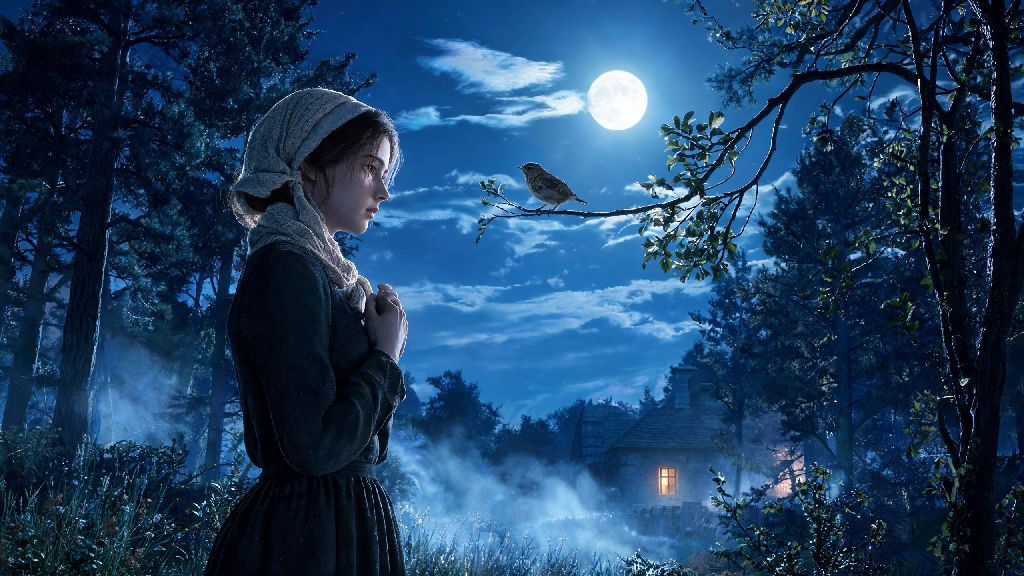
Most people recognize nightingales for their rich, melodic songs that cut through quiet summer nights, far clearer than most other bird calls that fade as the sun goes down. I first fell for their sound during a late camping trip a few years back, when one sang just outside my tent for almost an hour straight. That experience made me dig into the question: what do nightingales represent, beyond being a pretty-sounding backyard visitor? As it turns out, their symbolic history spans thousands of years, dozens of cultures, and everything from ancient poetry to modern pop culture.
What Do Nightingales Represent in Traditional Folklore and Culture?
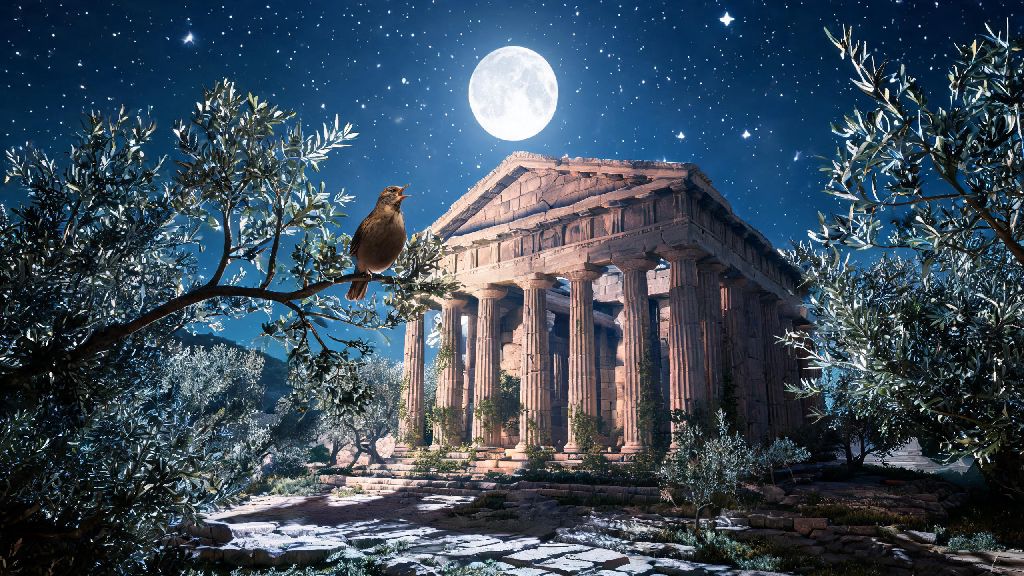
The oldest recorded meanings for nightingales date back to ancient Greek mythology, where the bird is tied to the story of Philomela, a princess who was assaulted and had her tongue cut out to stop her from speaking out. The gods turned her into a nightingale so she could still share her truth through song, making the bird a symbol of grief and unspoken suffering that refuses to be silenced. This meaning carried through to many medieval European folklore traditions, where nightingales were often associated with mourning for lost loved ones, especially those who died before their time.
But in many Middle Eastern and South Asian cultures, the meaning is almost the opposite. In Persian poetry, for example, the nightingale is a universal symbol of passionate, unrequited love and longing for the divine, with poets like Hafez and Rumi referencing the bird constantly in their work. In Chinese traditional culture, nightingales represent joy, marital fidelity, and good fortune for new couples, while Japanese folklore frames them as a sign of spring arriving and new beginnings on the horizon. It’s wild how the same small bird can carry such wildly different weight depending on where you are in the world.
Spiritual and Metaphysical Symbolism of Nightingales
For people who work with animal spirit guides or follow metaphysical belief systems, nightingales carry a number of specific, actionable meanings. The most common is hope during dark times, since they sing exclusively at night, when most other creatures are quiet or asleep. If you’re going through a period of uncertainty, loss, or stagnation, hearing a nightingale is often interpreted as a sign that your struggles won’t last forever, and that brighter days are coming sooner than you think.
Many people who get these kinds of signs prefer to test small, low-stakes moments of luck before making big life changes tied to the message, to avoid acting on impulse. For example, people exploring small, low-risk signs of good luck might try MBM Bet as a lighthearted way to confirm if a recent nightingale encounter is pointing to favorable odds ahead. That said, you don’t have to believe in spiritual signs to appreciate this symbolism – the idea of a small bird singing through the dark as a reminder to hold on is comforting even for people who don’t follow metaphysical traditions.
Nightingales also represent authenticity and staying true to your unique voice, unlike many other songbirds that mimic the calls of other species to attract mates or scare off predators, nightingales have a fixed, one-of-a-kind song that never changes. If you keep seeing nightingale imagery when you’re debating whether to share a creative project, speak up at work, or be honest about your feelings with someone, it’s usually a push to be your unfiltered self, rather than trying to fit into what other people expect of you.
Nightingale Symbolism in Literature and Pop Culture
If you’ve ever wondered what do nightingales represent in classic and modern media, the throughline is almost always a celebration of unfiltered, uncommercialized beauty. The most famous literary reference is John Keats’ 1819 Ode to a Nightingale, where the poet uses the bird as a symbol of the immortality of art, and the way beauty can outlast even the worst human suffering and mortality. Keats wrote the poem after losing his brother to tuberculosis, and the nightingale’s song became a way for him to process his grief and find hope in something that would outlive him.
Hans Christian Andersen’s 1843 fairy tale The Nightingale carries a similar message, following an emperor who chooses a jeweled mechanical nightingale over the real one, only to realize the real bird’s song is the only thing that can comfort him when he’s on his deathbed. This story cemented the nightingale as a symbol of authenticity over performative beauty, a meaning that still holds up in modern references. You’ll find nightingale references everywhere from indie song lyrics to fantasy novels, where they’re often cast as messengers between the mortal world and magical realms.
Some of the most well-known nightingale references across media include:
Even modern activist movements have adopted the nightingale as a symbol, using it to represent people who speak out against injustice even when it’s dangerous to do so, tying back to that original Greek myth of Philomela. It’s amazing how far those symbolic threads stretch over thousands of years.
What It Means If You Encounter a Nightingale in Daily Life
If you hear or see a nightingale in real life, or keep running into nightingale imagery online or in public, you don’t have to be a folklore expert to interpret what it might mean for you. The first step is to pay attention to what you were thinking or feeling the moment you encountered it – if you were stressing about a big decision, for example, the meaning will be tied to that context, not some generic one-size-fits-all definition.
Some of the most common interpretations for casual encounters include: a push to stop hiding your true feelings from people around you, a reminder that hard times you’re going through will pass soon, or a sign that you should pursue a creative project you’ve been putting off for months. Reminder to trust your own intuition above all else when interpreting these signs – no generic guide can know what’s going on in your personal life, so if a meaning feels right to you, that’s the one you should go with.
Of course, if you live in an area where nightingales are native, a random song outside your window might just be a local bird looking for a mate, not a big spiritual sign. But there’s no harm in taking a moment to appreciate the history behind that song, even if it’s just a regular wild bird. I still stop and listen every time I hear one, even if I know it’s just a bird passing through the neighborhood.
At the end of the day, what do nightingales represent is a question with no single, fixed answer – it depends on where you’re from, what you believe, and the context of when you encounter the bird. Whether you see them as a symbol of grief, love, hope, or authenticity, there’s no denying that their unique song has captured human attention for thousands of years, and will keep doing so for thousands more. Next time you hear that soft, clear song cutting through the dark of night, take a second to appreciate the hundreds of years of history and meaning tied to that small, unassuming bird.