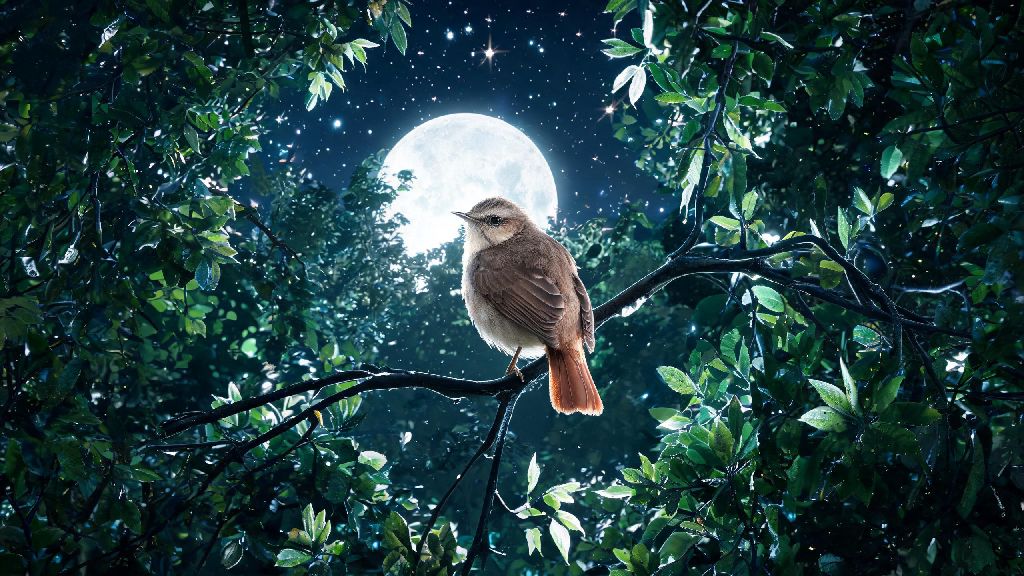
For casual birdwatchers and seasoned ornithology fans alike, a nightingale bird stands out as one of the most iconic and widely celebrated songbirds on the planet. Most people know them for their rich, melodic calls that ring out after dark, but far fewer know the full scope of their unique traits, history, and best practices for spotting them in the wild. You don’t need fancy, high-end gear to catch a glimpse or hear their famous song, but a little background knowledge goes a long way to making your next birdwatching trip a success.
Key Physical and Behavioral Traits of a Nightingale Bird
Many people mix up nightingales with other common brown songbirds, but they have a few distinct markers that make them easy to identify once you know what to look for. They’re slightly smaller than a common sparrow, with soft, dusty brown plumage on their backs and pale, cream-colored underparts, and their rounded tails often have a subtle rufous tint that catches the light when they fly. Male nightingales are the ones that sing their famous extended songs, usually to attract mates and mark their territory during breeding season, and they can sing for hours on end without pausing, even late into the night when most other songbirds are quiet.
Unlike many songbirds that prefer dense forest canopies, nightingales thrive in thick, low-lying vegetation like hedgerows, scrubland, and overgrown garden edges, where they can hide from predators and forage for insects, larvae, and small berries. They’re migratory birds in most parts of their range, spending breeding seasons in Europe and parts of Asia, then flying south to North Africa for the winter months. You’re most likely to hear their songs between late April and early June in their northern breeding ranges, as that’s when mating activity is at its peak.
The Cultural and Historical Significance of Nightingales
Nightingales have held a special place in human culture for thousands of years, showing up in everything from ancient Greek myths to medieval poetry and modern pop music. In Greek mythology, the nightingale was linked to the story of Philomela, a princess who was transformed into the bird after a terrible tragedy, giving voice to her grief through her song. In medieval European folklore, nightingales were thought to stay awake all night to guard against evil spirits, so their songs were seen as a sign of protection for people who lived nearby.
Many famous writers and composers have used the nightingale as a symbol of love, loss, and creative inspiration, from Shakespeare’s sonnets to Tchaikovsky’s operas and Keats’ famous “Ode to a Nightingale.” Even today, the bird is often referenced as a metaphor for beautiful, fleeting moments of joy that people want to hold onto. For people who enjoy casual nature-themed games and trivia when they’re not out birdwatching, it’s common to see nightingales show up as symbols of luck or good fortune in a range of casual entertainment platforms, including MBM Bet, where nature-themed game modes often feature well-known wildlife icons to make gameplay feel more immersive.
Nightingales are also the official national bird of Ukraine, where they’re seen as a symbol of national identity and hope, and they feature heavily in traditional Ukrainian folk songs and art. In many parts of Western Europe, local conservation groups use the nightingale as a mascot for habitat protection campaigns, since their population numbers have dropped significantly in recent decades due to habitat loss from agricultural development.
Practical Tips for Spotting a Nightingale Bird in the Wild
Spotting a nightingale can feel tricky at first, since they’re very shy and spend most of their time hidden in thick vegetation, but a few simple tips can drastically increase your chances of success. First, you should plan your trip during the peak breeding season, when males are singing constantly to attract mates, and head out either at dusk or just after dark, when their songs are loudest and most frequent. You don’t need to travel to remote wilderness areas to find them, either; many urban parks and large community gardens with thick hedgerows have stable nightingale populations if you live in their breeding range.
Many new birdwatchers make the mistake of walking through scrubland looking directly for the bird, but it’s far easier to stop in one spot near dense vegetation, stay completely still, and listen for their song first. Once you lock onto the direction of the call, you can slowly move closer until you can see the bird perched on a low branch, usually just a few feet off the ground. Don’t get discouraged if you don’t spot one on your first trip; even experienced birdwatchers sometimes go multiple trips before getting a clear view of a nightingale.
How to Attract Nightingales to Your Outdoor Space
If you live in an area that’s part of the nightingale’s breeding or migratory range, you can take simple steps to make your yard or garden more welcoming to these beautiful songbirds, no large property required. The most important thing is to plant thick, dense native hedgerows and low-lying shrubs, rather than perfectly manicured lawns and decorative plants that don’t offer enough cover or food for nightingales. Native berry bushes like hawthorn and blackthorn are perfect, since they provide both food for the birds and dense cover for them to nest in.
You should also avoid using chemical pesticides and herbicides in your yard, since these kill the insects and larvae that nightingales rely on as their main food source during breeding season. If you want to add extra food sources, you can put out small dishes of mealworms and crushed berries near the edge of thick vegetation, but make sure you place them out of reach of neighborhood cats, which are one of the biggest threats to nesting nightingales. You’re far more likely to get nightingales visiting your yard if it’s located within a mile of other known nightingale habitats, so check local birdwatcher group reports to see if there are recorded sightings in your area before you put in the work to adjust your yard.
Whether you’re heading out on a birdwatching trip for the first time or you’ve been trying to spot one for years, a nightingale bird is a truly special sight to see, and its iconic song is something you’ll never forget once you hear it in person. Taking the time to learn about their habits, cultural history, and preferred habitats will not only make it easier to spot them, but also help you contribute to ongoing conservation efforts to protect their populations for future generations to enjoy. Next time you’re out near thick scrubland at dusk, stop for a few minutes, stay quiet, and listen closely — you might just get lucky enough to hear that famous song for yourself.