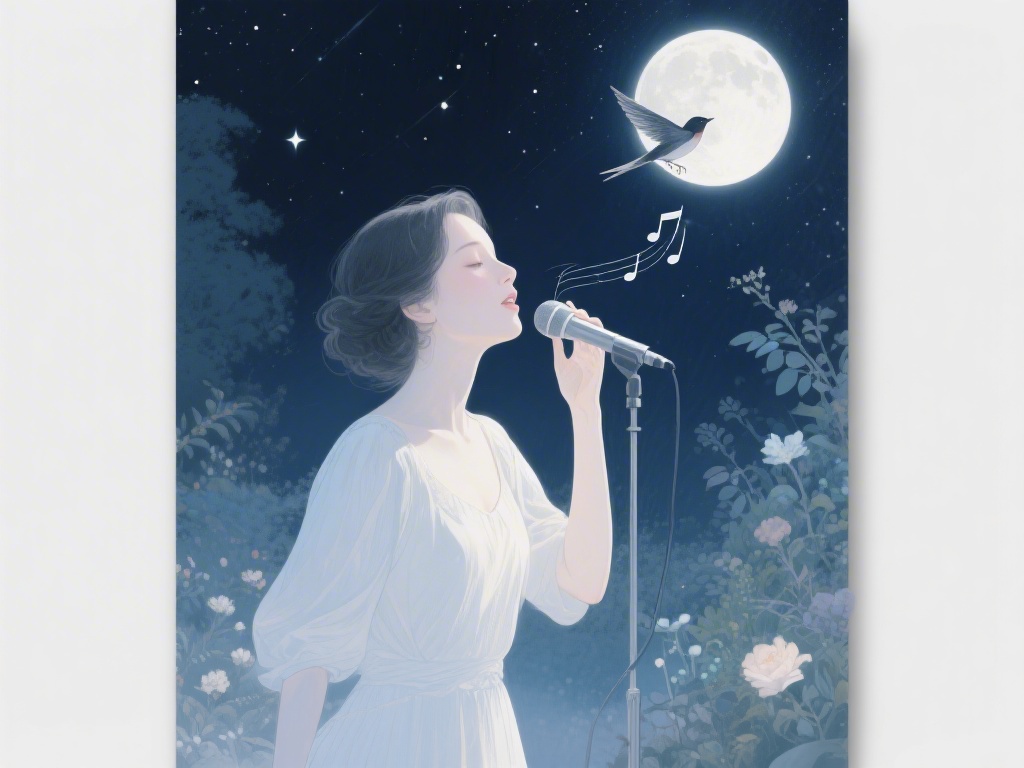
If you’ve revisited Hans Christian Andersen’s beloved fairy tale as an adult, you’ve probably asked how did the nightingale end, especially if you only remember the watered-down animated adaptations that softened its original sharp message. Most childhood versions cut the darker, more nuanced beats of the final act to make it more appropriate for young audiences, so it’s common to walk away with only a vague memory of a singing bird and a silly emperor. This breakdown sticks strictly to Andersen’s original 1843 text, no sanitized edits or Hollywood changes included. We’ll cover the context you need to understand the ending, common misconceptions people have about it, and what it can teach you about life today.
Core Context You Need Before Unpacking The Nightingale’s Ending
Andersen wrote The Nightingale during a period of his life where he was growing increasingly frustrated with European high society’s obsession with status, wealth, and superficial beauty. He drew loose inspiration from stories of Chinese imperial court culture that were popular in Europe at the time, using the distant setting to critique the elites he interacted with on a regular basis. The story follows a Chinese emperor who becomes obsessed with a small nightingale whose singing is said to be the most beautiful sound in the world.
The emperor brings the nightingale to live in the palace, where it’s treated like a luxury accessory until the emperor receives a gift: a bejeweled mechanical nightingale that sings perfect, predictable songs on command. The court quickly decides the mechanical bird is better, because it’s always on time, never gets tired, and looks far more expensive. The real nightingale flies back to its forest home, and everyone forgets about it until disaster strikes.
The story’s central tension between authenticity and artificiality is the backbone of its ending, so you won’t get the full weight of the final scenes if you miss this context. Andersen’s own frustration with shallow, status-obsessed high society bleeds through every line of the conclusion, and it’s why the ending feels so raw and honest compared to other children’s fairy tales of the era. It’s not a cutesy story about a pretty bird—it’s a takedown of the idea that expensive, polished things are inherently better than real, imperfect ones.
How Did The Nightingale End? A Line-By-Line Breakdown Of The Original Text
Years after the real nightingale leaves, the mechanical bird breaks down, and no one in the court knows how to fix it properly. A few years after that, the emperor falls deathly ill, and his doctors tell the court he only has hours left to live. The emperor lies alone in his bed, with Death sitting on his chest flipping through a book of all the good and bad things he’s done during his reign. All of his servants have left his side to prepare for the new emperor’s coronation, so he’s completely alone when he hears a soft singing coming from his window.
The real nightingale heard about the emperor’s illness from the villagers who live near the palace, so it flew all the way from its forest to sing for him. Its song is so warm and moving that the cold, skeletal Death feels tears in his eyes, and he agrees to leave the emperor alone if the nightingale will keep singing for him. The nightingale sings about the joys and sorrows of ordinary people who live outside the palace walls, and Death eventually gets up and floats out the window, leaving the emperor alive and fully healed.
When the emperor’s servants walk in to prepare his body for burial, they’re shocked to find him awake and healthy. He asks the nightingale to stay in the palace forever, promising to give it all the jewels and luxury it could ever want. The nightingale gently refuses, saying it belongs in the forest where it can sing for fishermen, farmers, and children who need its music just as much as he does. It promises to come visit him every night, to sing for him, and to tell him about what’s happening with the people he rules outside the palace walls. The nightingale’s sacrifice is not about self-neglect, but about choosing purpose over status, and it’s the core of the story’s final message.
The emperor agrees to the nightingale’s terms, and spends the rest of his reign as a far kinder, more thoughtful ruler who cares deeply about the wellbeing of his people. The emperor’s redemption arc only works because he lets go of his obsession with material luxury and learns to value the real, imperfect things that actually matter. There’s no grand, dramatic wedding or big celebration at the end—it’s a quiet, hopeful conclusion that feels earned, not forced.
Common Misconceptions About The Nightingale’s Ending
Most people who have only seen adapted versions of the story walk away with a lot of wrong ideas about how the ending works, and what it’s supposed to mean. Some of these misconceptions come from edits made to make the story more kid-friendly, while others come from people reading the story too quickly without picking up on its subtle themes. Here are the three most common misconceptions you’ll hear:
- Misconception 1: The nightingale leaves the emperor because it holds a grudge for being replaced by the mechanical bird
- Misconception 2: The ending is meant to be a sad, tragic conclusion for both the emperor and the nightingale
- Misconception 3: The story only applies to 19th-century critiques of royalty and has no modern relevance
The nightingale doesn’t leave out of anger, it leaves because its purpose is to bring joy to everyone, not just one rich man in a palace. It comes back to save the emperor not because it owes him anything, but because it’s in its nature to help people who are suffering. There’s no petty revenge or resentment in its choice, which is what makes it so powerful.
The ending isn’t sad at all, either. The emperor gets a second chance at being a good ruler, and the nightingale gets to keep living the free, purpose-driven life it loves. It’s a win-win for both of them, even if it’s not the perfect fairy tale ending most people expect where everyone lives in the palace together forever. Real life doesn’t work that way, and Andersen knew that.
Modern audiences often connect the mechanical nightingale to algorithm-generated content and curated social media personas, so the story is actually more relevant now than it was when it was written. We’re constantly surrounded by polished, fake versions of art, people, and experiences that are designed to look perfect on a screen, and it’s easy to forget how much value there is in real, imperfect things. You don’t have to be an emperor to relate to choosing a fake, convenient option over a real, messy one.
What The Nightingale’s Conclusion Teaches Us For Modern Life
Most people read The Nightingale as a children’s story, but its core message is far more useful for adults who are constantly bombarded with messages telling them to prioritize perfection and status over everything else. The nightingale could have stayed in the palace, lived a life of luxury, and never had to worry about food or shelter again, but it chose to go back to the forest because that’s where it could do the most good. That’s a choice a lot of us face in our own lives, even if it doesn’t look exactly the same.
You might face this choice when you’re deciding between taking a high-paying job that makes you miserable, or a lower-paying job that lets you help people. You might face it when you’re deciding between posting a perfectly edited photo on Instagram that gets hundreds of likes, or a messy, honest post that might resonate with a few people who are going through the same thing as you. You might even face it when you’re deciding between streaming a generic algorithm-generated playlist, or going to a small local show where a real musician is playing music they wrote themselves.
Authenticity always outlasts artificial perfection, even if it feels less convenient in the moment. The mechanical nightingale worked for a few years, but it broke eventually, and no one could fix it. The real nightingale was there when the emperor needed it most, even when everyone else had abandoned him. That’s the power of real things, real people, and real experiences—they don’t break as easily, and they show up when you need them most.
I re-read the story a few months ago after I got fed up with scrolling through social media and seeing nothing but perfect, fake lives everywhere. I realized I’d been choosing a lot of mechanical nightingale options in my own life, without even realizing it. I started making small changes, like going for walks to listen to real birds sing instead of listening to white noise playlists when I’m stressed, and it’s made a way bigger difference than I thought it would. You don’t have to make huge, dramatic changes to apply the story’s message to your life—small choices add up.
Next time you find yourself reaching for a perfectly curated, algorithm-approved piece of content over something raw and real, take a second to remember the nightingale. Its choice to prioritize authenticity over comfort didn’t just save an emperor’s life—it left a mark on literature that still hits home hundreds of years later. Understanding how did the nightingale end isn’t just a fun trivia fact for fairy tale fans, it’s a small reminder of what actually matters in a world that’s constantly trying to sell you a polished, fake version of everything.