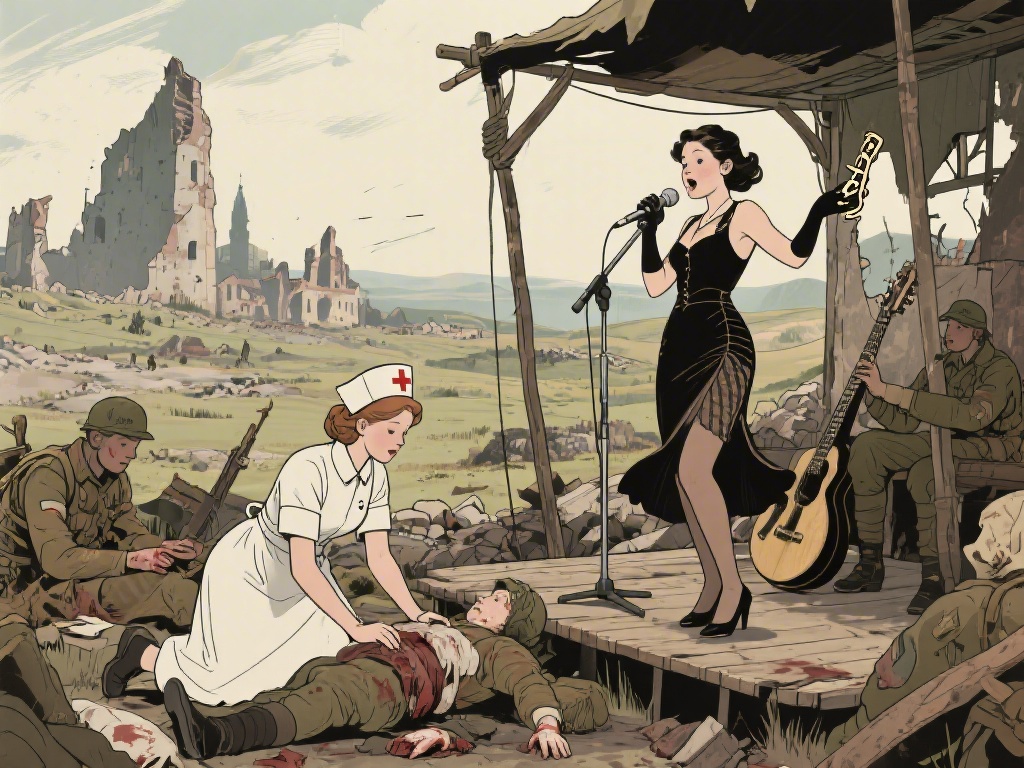
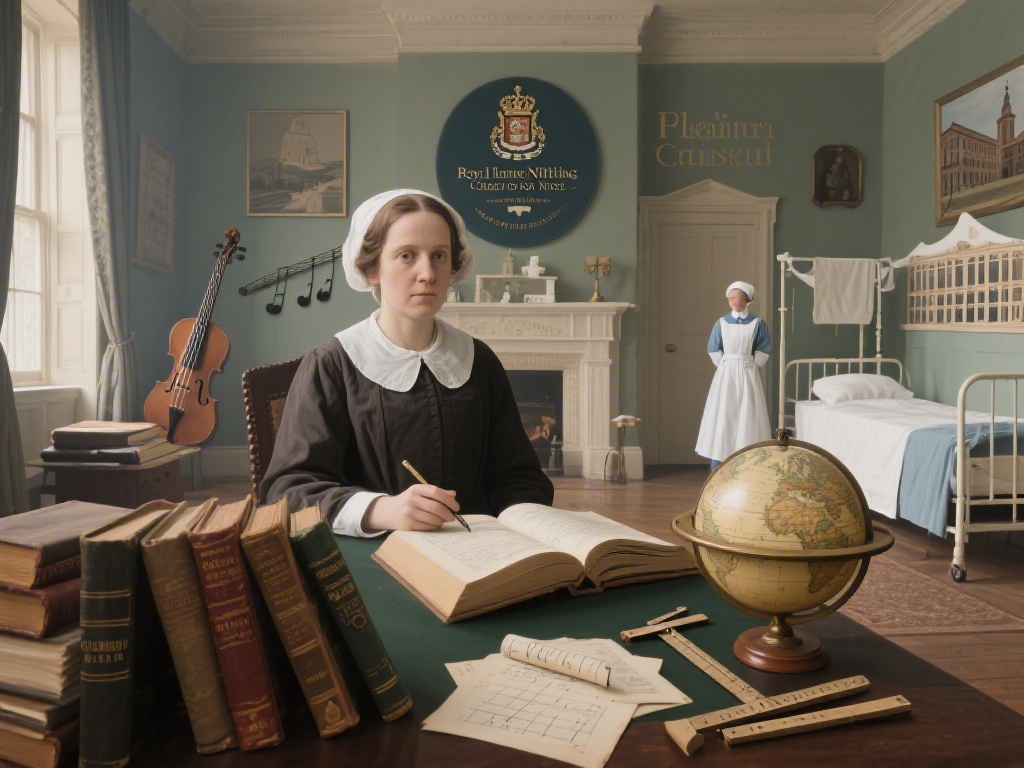
When most people picture Florence Nightingale, they think of the "Lady with the Lamp" making quiet rounds through dark Crimean War hospital wards to check on wounded, suffering soldiers. But far beyond that iconic, almost mythical image, her life’s work rewrote what nursing could be for every generation that followed. If you’ve ever wondered how did florence nightingale impact nursing beyond the popular myth, you’ll be shocked how many of the rules and values we take for granted in modern care trace directly back to her research, relentless advocacy, and refusal to accept the dismal status quo of 19th-century healthcare. She didn’t just tend to sick people — she built an entirely new profession rooted in data, compassion, and respect for patient needs.
How Did Florence Nightingale Impact Nursing Through Evidence-Based Practice?
Most people don’t know Nightingale was a skilled statistician long before she became a nurse, and she was one of the first people in healthcare to use hard data to drive care decisions. When she arrived at the Crimean War military hospitals in 1854, she found wards overflowing with waste, overcrowded, and lacking clean water or basic sanitation. She immediately started tracking every patient outcome, and found that nearly 80% of soldier deaths were from preventable infectious diseases, not combat wounds.
She didn’t just hoard that data, either. She created custom visualizations, including the famous polar area diagram, to present her findings to uneducated politicians and military leaders who wouldn’t have understood dense statistical reports. Her lobbying led to immediate changes to hospital sanitation protocols, and mortality rates in the wards dropped from 42% to just 2% in six months. This focus on data-driven care is the foundation of modern evidence-based practice, and it’s one of the most lasting answers to how did florence nightingale impact nursing for every care provider working today. She was even the first woman elected to the Royal Statistical Society, a huge honor for a woman in the 1800s.
She Established Nursing as a Respectable, Skilled Profession for Women
Before Nightingale’s work, nursing was seen as a low-status, even disreputable job for working-class women, with no formal training required. Upper-class women were actively discouraged from going into nursing, as it was considered inappropriate and unfit for "respectable" people. The British medical establishment, which was almost entirely male at the time, also didn’t believe women could be trusted with formal medical training or patient care decisions.
Nightingale used her fame after the Crimean War to lobby parliament for funding for a formal nursing school, and in 1860 she opened the Nightingale Training School at St. Thomas’ Hospital in London. Her program was the first formal, secular nursing education program in the Western world, with standardized coursework, clinical rotations, and a strict code of professional conduct for graduates. Within 30 years, Nightingale-trained nurses were running hospitals and nursing education programs across Europe, North America, and parts of Asia. That shift in how the public saw nursing is one of the most underrated parts of how did florence nightingale impact nursing for generations of women who wanted a meaningful, respected career in healthcare.
She Redesigned Healthcare Spaces to Prioritize Patient Wellbeing and Safety
Another little-known part of Nightingale’s legacy is her pioneering work in hospital design. After the Crimean War, she spent years researching how physical space impacts patient outcomes, and wrote the widely circulated book "Notes on Hospitals" that laid out clear, evidence-based rules for hospital construction. Her design principles reduced cross-infection rates long before germ theory was widely accepted by the mainstream medical community.
Many of her rules are still used in hospital construction today, even if most staff don’t realize where they came from. I’ve worked in three different acute care hospitals over the last 12 years, and every single one follows these core Nightingale design rules:
- All patient rooms must have access to direct natural light and unobstructed fresh air flow to reduce the spread of airborne illness and improve patient mood and recovery times
- Waste and sanitation facilities must be completely separated from patient care areas, with dedicated handwashing stations outside every patient room, to prevent cross-contamination
- Nurse stations must be positioned to give staff unbroken visibility of all patient beds without requiring unnecessary travel between calls, to reduce response times for patient emergencies
This focus on data-driven design is another often overlooked piece of how did florence nightingale impact nursing and healthcare infrastructure as a whole. Even during the COVID-19 pandemic, many temporary field hospitals were built using her exact design principles, because public health officials knew they were proven to reduce infection spread in high-volume care settings.
She Centered Patient Dignity and Holistic Care in Core Nursing Protocols
Before Nightingale’s work, patients, especially poor, disabled, or mentally ill patients, were often treated like burdens by care staff. There was no focus on their comfort, nutrition, or emotional needs, only on treating their immediate physical ailment, if they received any care at all. Nightingale pushed back hard against that attitude, and wrote the 1859 book "Notes on Nursing: What It Is, and What It Is Not" which was intended for both professional nurses and regular people caring for sick family members at home.
She was the first prominent care provider to frame nursing as a holistic practice, not just a job of tending to physical wounds. She emphasized providing nutritious, easy-to-digest food for patients, quiet rest periods, clean linens, and even small comforts like books, letters, or flowers for patients who were isolated from their families. She also advocated for better care for vulnerable populations, including the poor, the elderly, and people living in mental health facilities, at a time when those groups were almost entirely ignored by the mainstream medical system. Her focus on patient-centered care is still a core requirement for nursing licensure in most countries today, and it’s the reason modern nurses are trained to look at the whole person, not just their diagnosis.
It’s easy to reduce Florence Nightingale to a one-dimensional historical figure holding a lamp, but her work has touched every single person who has received care in a hospital or from a trained nurse in the last 160 years. She fought against a deeply sexist medical establishment, ignored criticism from people who thought she was overstepping her role, and dedicated her entire life to making care safer and more compassionate for everyone. If you ever take the time to look into the origins of the care practices you rely on, you’ll quickly see how did florence nightingale impact nursing in ways that still make care safer, more accessible, and more effective for patients and care providers alike. She didn’t just change a job title — she built the foundation of the entire modern nursing field.