I still remember the first time I sat through a local community production of a nightingale sang play, tissues stuffed in my coat pocket and no clue how much the story would stick with me for years after. What seems like a simple period drama on the surface hides layers of relatable emotion, subtle social commentary, and nods to classic Nightingale universe lore that even long-time fans often miss on their first watch. Whether you’re prepping to see it for the first time, or you’re re-watching to pick up details you skipped before, this guide breaks down everything that makes this production so beloved by casual viewers and diehard Nightingale fans alike.
What Makes A Nightingale Sang Play Stand Out From Other Period Productions
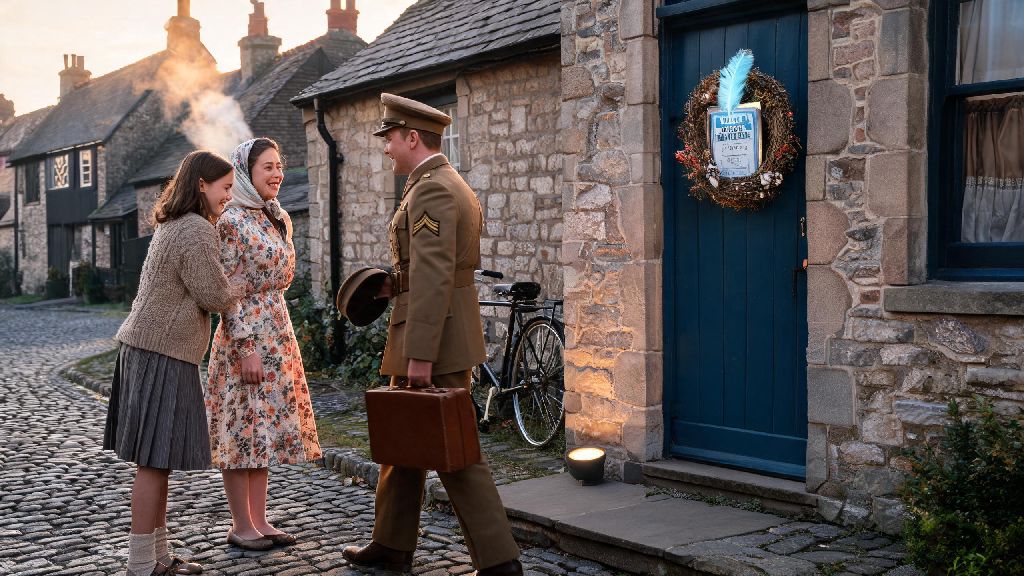
Most period plays set in the post-WWII era lean heavily on overdone tropes of tragic romance or bleak tales of hardship, but this production takes a totally different approach. It’s set in a small English village still recovering from the damage of the war, where residents are fighting to hold onto their local traditions and community bonds as outside developers push to tear down old landmarks to build new housing. The story doesn’t ignore the pain of the years before, but it chooses to focus on hope and connection rather than suffering. One of the biggest draws of the production is its refusal to lean on cheap melodrama to move the plot forward. Every conflict feels grounded in real, relatable human choices, not forced plot twists made to shock the audience.
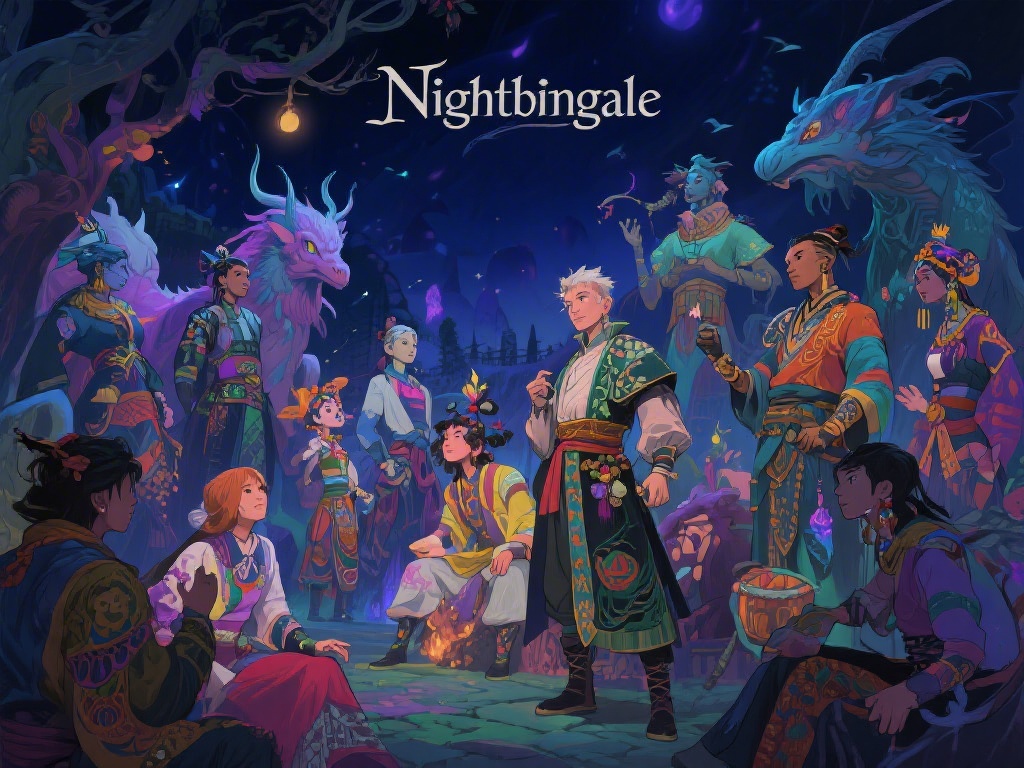
It also weaves in core Nightingale mythos so seamlessly that you won’t even notice it if you’re not a long-time fan, which is a huge part of its cross-appeal. Casual viewers can enjoy it as a sweet, heartfelt story about community, while dedicated Nightingale fans will pick up small references that tie the story to the wider universe of games, books and other media. Every line of dialogue feels intentional, with throwaway lines often referencing key Nightingale lore beats that add a whole new layer of depth to the story for fans who catch them. For example, the old lullaby the lead character’s grandfather sings to her in the second act is the same lullaby that shows up in the main Nightingale game as a collectible item tied to the game’s core healing mechanic.
Key Characters You’ll Connect With Immediately
You won’t find any flat, one-note characters in this production, even in the smallest side roles. The lead, Maggie, is a 20-something nurse who returns to her hometown after serving in the war, planning to sell her family’s old cottage and move to London for a new job. She’s stubborn, a little closed off after losing her brother in the war, and deeply skeptical of the village’s long-held Nightingale traditions at the start of the story. Maggie’s arc is intentionally written to mirror the classic Nightingale “wanderer returning home” trope that shows up across almost all Nightingale media, making her feel familiar to long-time fans right away.
Her grandfather, Tom, is the village’s self-appointed keeper of the local Nightingale shrine, and he’s spent the entire war tending to the small nightingale garden in the town square even as bombs fell nearby. His dry, gentle sense of humor and quiet devotion to his community make him a fan favorite across almost every production. Then there’s Joe, the local baker who lost his wife during the war and spends most of his days baking free bread for the village’s kids and elderly residents, even when he can barely afford to keep his shop open. You won’t find any one-note villains here – even the town’s grumpy mayor, who spends most of the first act pushing to tear down the Nightingale garden to build a bus stop, has a sympathetic backstory that explains his choices, revealed halfway through the second act.
Must-Know Tips for Getting the Most Out of Your Viewing
You can absolutely go into the play blind and have a great time, but a little bit of prep will make the experience way more rewarding, especially if you’re a Nightingale fan. I’ve seen three different productions of the play over the last five years, and I’ve picked up a few tricks to make every watch feel new, even if you already know the basic plot.
If you’re watching a recorded version of the play, don’t feel bad about pausing after the first act to look up any lore references you might have missed. It’s not cheating, it just makes the emotional beats hit harder when you understand the context. You don’t need to be a Nightingale superfan to follow the plot, but catching the small Easter eggs makes the final scene feel 10 times more impactful than it would otherwise. Also, do yourself a favor and bring a pack of tissues. I’ve never seen a production where half the audience isn’t crying by the end of the final scene, and there’s no shame in being one of them.
Common Misconceptions About the Story Debunked
One of the most common misconceptions I hear from people who haven’t seen the play is that it’s just a simple romance story. That’s not true at all. There is a sweet, understated romantic subplot between Maggie and the local schoolteacher, but it’s never the main focus of the story. The core plot is always about Maggie reconnecting with her home and her community, not about finding a partner. The romance is just a nice side detail, not the point of the whole production.
Another common misconception is that the nightingale in the title is just a literal bird. The bird does show up in the final scene, of course, but it’s a metaphor for every character in the play who chooses to show kindness to others even when they’re going through hard times themselves. The play’s writer has confirmed in multiple interviews that the “nightingale” in the title refers to every character who chooses kindness even when it’s hard, not just the actual bird that sings at the end of the play. That small detail changes the whole tone of the story once you know it.
Some people also assume the play is only for older audiences who remember the post-WWII era, but that’s not true either. I’ve taken multiple friends in their 20s to see productions over the years, and every single one of them left the theater talking about how relatable the themes of healing after hard times and finding your place in the world felt. The story is tied to a specific time period, but its core themes are universal, no matter how old you are or how much you know about Nightingale lore.
At the end of the day, a nightingale sang play is more than just a fun night out at the theater – it’s a love letter to the Nightingale community, to the power of small acts of kindness, and to the way stories can bring people together even after the hardest parts of life. If you’ve been on the fence about watching it, stop putting it off. Even if you don’t care about deep Nightingale lore, you’ll leave with a new appreciation for the people around you, and maybe a little bit of hope that even the darkest times can end with something beautiful.