I first picked up a million nightingales by susan straight on a rainy weekend, expecting a quiet historical fiction read, and left with a story that stuck with me for months. The novel follows Moinette Antoine, a young enslaved girl in 1830s Louisiana, as she navigates bondage, loss, and her relentless quest for freedom for herself and her son. What makes this book stand out isn’t just its raw, lyrical prose, but how it weaves little-known historical facts about free Black communities in pre-Civil War Louisiana with the universal pain and hope of people fighting to own their lives. If you’re reading it for a book club, a school assignment, or just love deeply researched, character-driven stories, this guide breaks down everything you need to understand and appreciate the book on a deeper level.
Core themes in A Million Nightingales by Susan Straight
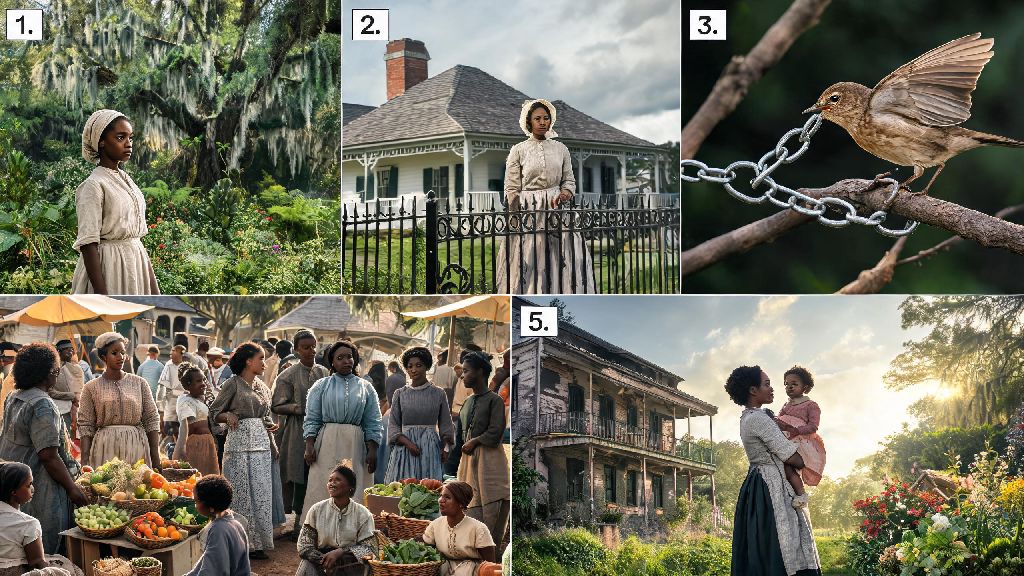
At its heart, this book isn’t just a story about slavery in the American South. It’s a meditation on what freedom actually means, beyond just escaping physical bondage. Moinette doesn’t just want to run away from the plantations she’s held on; she wants to own her name, her memories, her relationship to her child, and the land she’s lived on her whole life. Even the title is a reference to the thousands of enslaved people whose stories were never written down, only passed through quiet songs and oral histories, just like nightingales that sing most often under cover of dark. One of the most overlooked themes is the power of quiet resistance. Moinette never leads a violent rebellion or gives a grand speech. Instead, she learns to read in secret, hides small amounts of money away for years, and makes tiny, intentional choices that chip away at the control enslavers have over her life. These small acts feel far more real and impactful than over-the-top heroic moments you might see in other historical fiction, because they reflect the actual resistance strategies most enslaved people relied on to survive. Straight also digs into the messy, complicated nature of racial identity in 19th century Louisiana, where the line between enslaved and free, Black and white, was often blurred but never meaningless. Moinette is of mixed race, and while some people treat her differently than darker-skinned enslaved people, she still has no legal rights to her own body or her child, a reality that keeps her grounded in the shared struggle of all Black people in the region at the time.
Historical context that makes the story feel more real
Straight spent 10 years researching for this book, pouring over old court records, slave manifests, and Works Progress Administration interviews with formerly enslaved people conducted in the 1930s. She also spoke to dozens of descendants of free Black communities in southern Louisiana, many of whom shared stories of their ancestors that had never been written down. This attention to detail is why every scene in the book feels so vivid and lived-in, rather than like a textbook retelling of history. Many readers don’t know that 10% of Louisiana’s Black population was free before the Civil War, a stat that’s rarely covered in standard US history classes. These free Black communities, often made up of mixed-race people born to white enslavers and enslaved Black women, had more mobility than enslaved people but still faced severe legal discrimination. They couldn’t vote, couldn’t testify against white people in court, and could even be kidnapped and sold into slavery if they didn’t carry their free papers at all times. The plaçage system, a common practice in Louisiana where white men would enter long-term, unofficial relationships with Black or mixed-race women, also plays a big role in the story. While some of these arrangements came with promises of freedom for the woman and her children, most of these promises were never kept, and many women and children were still sold into bondage when the white man died or lost interest. Straight has said in interviews that she wanted this book to feel like a story you’re hearing from a relative, not a textbook, which is why the prose in A Million Nightingales by Susan Straight feels so intimate and personal.
Key characters you’ll remember long after the last page
Straight doesn’t write one-note heroes or villains, and every character in the book feels like a real, flawed person with conflicting motivations. Moinette herself is far from perfect: she’s stubborn, she holds grudges, she makes selfish choices when she’s scared, and that’s exactly what makes her feel so relatable. You don’t have to have lived through her experiences to understand her desire to protect her family and be seen as a full human being. Moinette’s son, Jean-Baptiste, is the emotional core of the second half of the book. Every choice Moinette makes after he’s born is centered on keeping him safe and giving him the life she never had, even if that means making huge sacrifices for him. Their relationship is one of the most honest, heartfelt depictions of maternal love I’ve ever read in fiction, and it never feels cheesy or overdone. There are dozens of small, subtle character details throughout the book that hint at bigger themes and backstories, even if they’re never explicitly explained. Some of my favorites include:
Tips for getting the most out of your first read
If you’re not familiar with Louisiana Creole culture or 19th century regional history, don’t stress if you don’t understand every phrase or reference right away. Straight adds subtle context clues throughout the book, so you never need a separate glossary to follow the story. If a phrase feels confusing, just keep reading, and it’ll almost always make sense a few paragraphs later. This isn’t a fast-paced thriller you can binge in a single sitting. The prose is lyrical and slow, with long, descriptive passages that let you sink into Moinette’s world, so take your time with it. I read it over the course of a week, spending 20 or 30 minutes with it each night, and that pace made the emotional beats hit far harder than if I’d rushed through it. If you’re reading this for a book club, prepare for a lively discussion. The book raises so many questions about moral gray areas, what freedom actually looks like, and how historical trauma shows up in generations of families, that you’ll easily have two or three hours of conversation about it. It’s also a great pick if your book club usually sticks to more contemporary stories, because it connects directly to conversations about race and identity that are still relevant today. Don’t skip the author’s note at the end. Straight talks about her own family’s connection to Louisiana, the real people who inspired Moinette’s story, and why she felt called to write a book centered on the voices of enslaved women that are so often erased from history. It adds a whole new layer of meaning to the story once you understand how personal this project was for her.
At the end of the day, a million nightingales by susan straight is more than just a historical novel. It's a tribute to the millions of people whose stories were erased by slavery, whose quiet resistance and love for their families kept hope alive even in the darkest of times. You don't have to be a history buff to connect with Moinette's story, because her desire to be seen, to love her family, and to control her own life is something every reader can relate to. If you haven't picked it up yet, add it to your TBR list this month, you won't regret it.