Introduction to Florence Nightingale
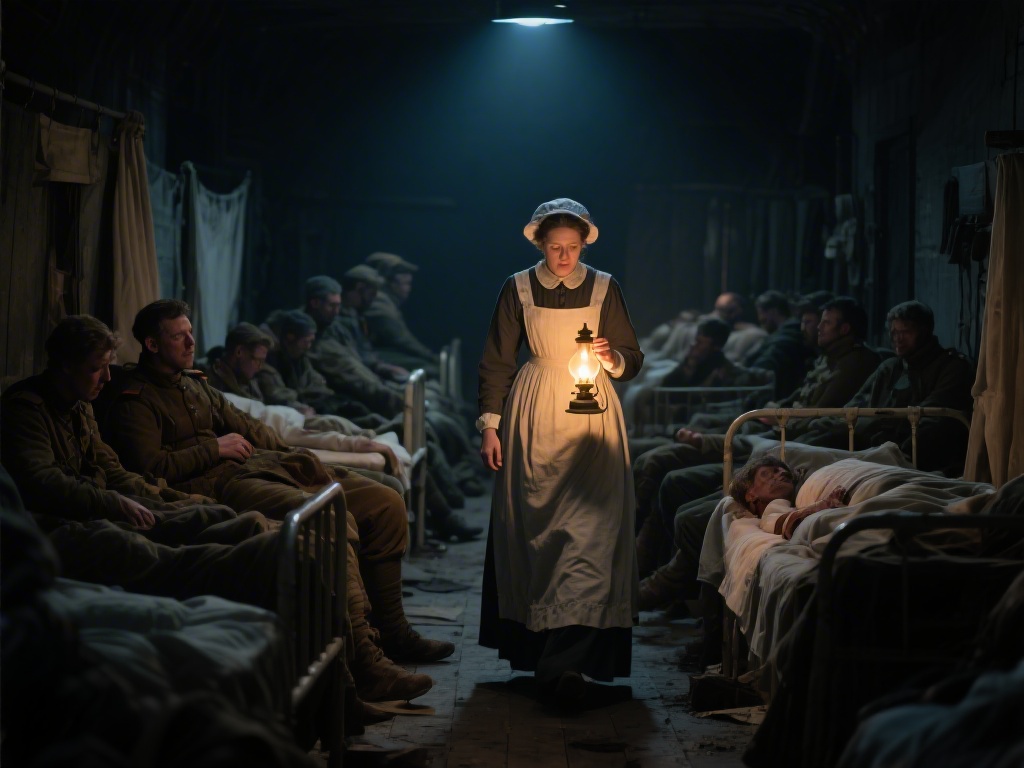
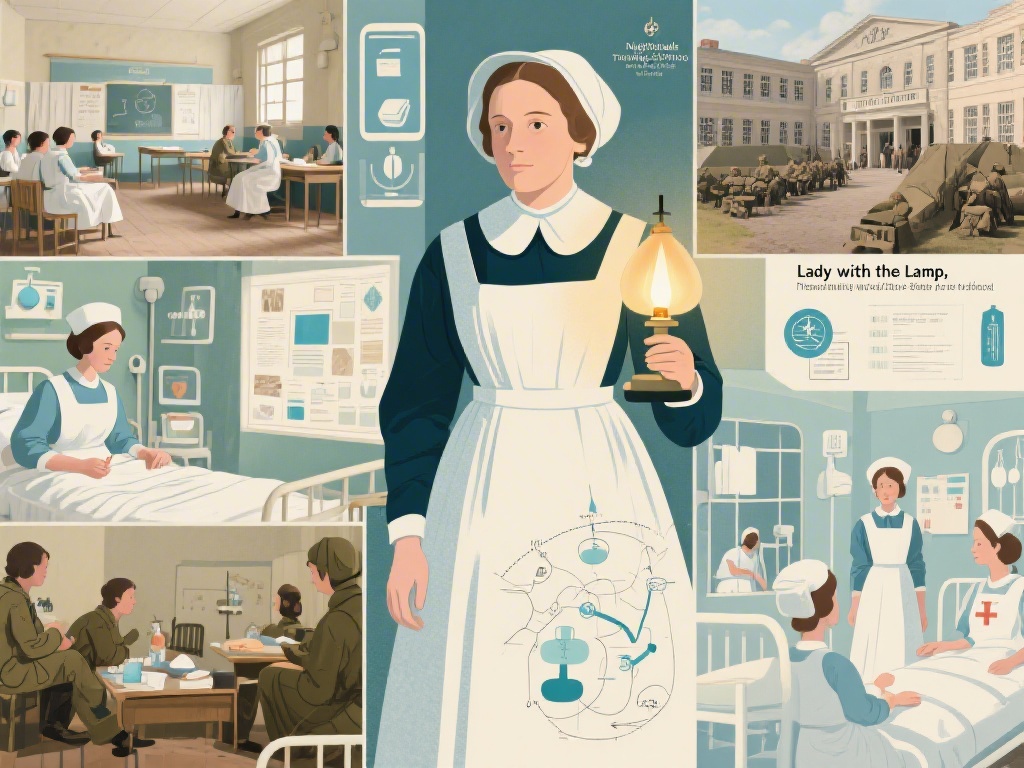
Florence Nightingale, known as the "Lady with the Lamp," was a British nurse and social reformer who revolutionized nursing care during the Victorian era. Her work in the Crimean War, particularly at the Scutari Hospital, earned her global recognition and laid the foundation for modern nursing practices.
1. The Crimean War and Nightingale's Impact
During the Crimean War, Florence Nightingale noticed the poor living conditions and lack of hygiene in military hospitals. She implemented strict cleanliness standards and improved the overall health of the patients, significantly reducing the mortality rate.
2. The Nightingale Training School for Nurses
After the war, Nightingale founded the Nightingale Training School for Nurses in London. This institution was the first of its kind and set the standard for nursing education and training worldwide.
3. Nightingale's Sanitary Theory
Nightingale developed a theory of sanitation that emphasized the importance of clean air, clean water, and clean surroundings in preventing disease. Her ideas were groundbreaking and had a lasting impact on public health.
4. The Nightingale Prize
In 1897, Nightingale established the Nightingale Prize, which is still awarded today to outstanding nurses around the world. The prize is a testament to her belief in the importance of nursing and the dedication of nurses worldwide.
5. Florence Nightingale's Legacy
Nightingale's contributions to nursing, public health, and social reform have had a profound impact on the world. She is remembered as a pioneer of modern nursing and a champion of public health.
6. The Lady with the Lamp
The phrase "Lady with the Lamp" was coined to describe Nightingale's nightly rounds at the Scutari Hospital, where she would carry a lamp to check on her patients. This image has become an enduring symbol of the nursing profession.
7. Nightingale's Writings and Publications
Nightingale was an accomplished writer and published numerous books and articles on nursing, public health, and sanitation. Her work has been influential in shaping the field of nursing and public health.
8. The Nightingale Museum
The Florence Nightingale Museum in London is dedicated to her life and work. It houses her personal belongings, letters, and other artifacts that provide insight into her life and legacy.
9. Nightingale's Influence on Nursing Education
Nightingale's emphasis on practical training and hands-on experience has had a lasting impact on nursing education. Her philosophy is still a key component of modern nursing programs.
10. The Nightingale Pledge
The Nightingale Pledge, which nurses take before they begin their careers, is a testament to Nightingale's values. It emphasizes the nurse's commitment to compassion, care, and service.
Conclusion
Florence Nightingale's contributions to nursing, public health, and social reform have earned her a place in history. Her dedication and innovation continue to inspire nurses and healthcare professionals worldwide.