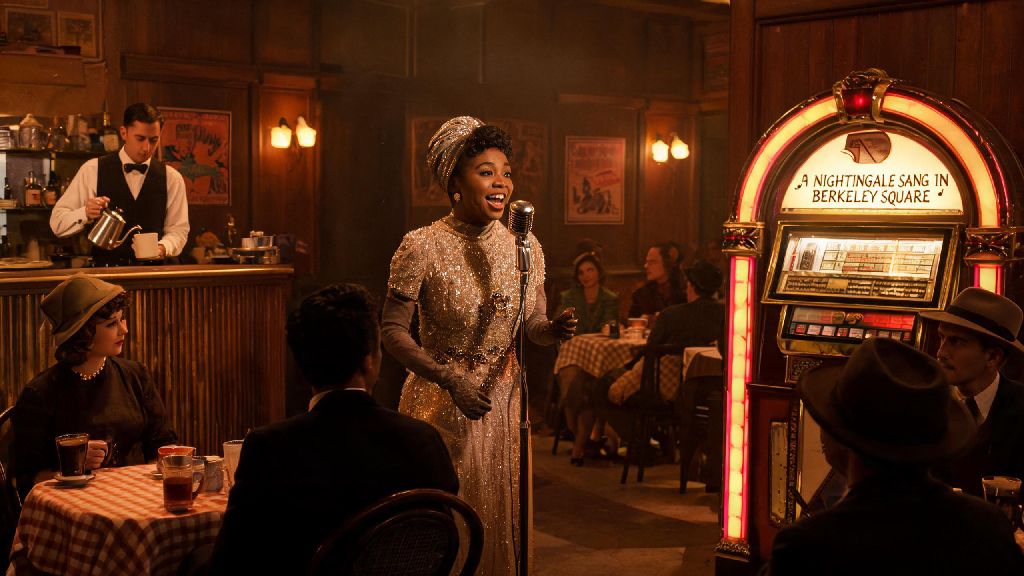
Last weekend I stopped by my favorite 1940s-themed coffee shop in downtown Portland, and the second I walked through the door, a warm, honeyed voice wrapped around me like a well-loved wool blanket. I paused mid-order, waiting for the barista to call my name, and immediately recognized the track playing over the speakers: A Nightingale Sang in Berkeley Square by Ella Fitzgerald. I’ve listened to dozens of covers of this classic jazz standard over the years, but no version hits quite like Ella’s, with her effortless phrasing and that quiet, playful warmth that makes every song she touches feel like a private performance just for you. If you’ve ever found yourself humming this tune without knowing its backstory, or wondered what makes Ella’s take stand out from hundreds of other recordings, this deep dive is for you.
What Makes A Nightingale Sang in Berkeley Square Ella Fitzgerald Stand Out
Most covers of this track lean hard into its nostalgic, almost somber tone, but Ella’s 1957 studio recording balances soft romance with a light, bouncy energy that feels totally unique. Ella’s ability to balance soft vulnerability with playful confidence shines through every line, especially when she drags out the word “moon” in the second verse like she’s sharing a secret with the listener. She recorded this version during her peak Verve Records era, when she worked with top-tier producers and session musicians who knew exactly how to frame her voice without overshadowing it.
You won’t find loud, over-the-top orchestration here. The accompaniment is stripped back to a soft piano, gentle bass, and subtle brushed drums, so every tiny vocal choice comes through clear as day. Subtle scat flourishes she adds in the final verse feel like a tiny, spontaneous gift, like she’s having so much fun singing she can’t help but improvise a little. Even if you’ve heard hundreds of versions of this song, you’ll notice new little quirks in Ella’s take every time you listen.
The Surprising Origin Story of This Timeless Jazz Standard
Many people assume this track is a traditional American jazz tune, but it was actually written by two British creatives, Eric Maschwitz and Manning Sherwin, in 1939. Written during a tense pre-WWII summer in London, the song paints a dreamy, romantic picture of a perfect night in Berkeley Square, a small, tree-lined public space in the city’s upscale Mayfair district. The lyrics reference nightingales, which aren’t native to central London, adding a magical, almost fairy-tale quality to the story.
When WWII broke out a few months after the song was released, it quickly became a favorite of Londoners hiding in air raid shelters during the Blitz. It reminded people of peaceful pre-war nights, and the quiet, hopeful romance that felt so out of reach during bombing raids. It became an unofficial anthem of hope for Londoners during the Blitz, and was often played on BBC radio broadcasts to boost morale. The song made its way to the U.S. a few years later, where jazz artists immediately fell in love with its simple, memorable melody and heartfelt lyrics.
It’s easy to see why the song has stayed popular for more than 80 years:
How This Track Fits Into Ella Fitzgerald’s Legendary Discography
By 1957, when she recorded this track, Ella was already one of the biggest names in jazz. She’d spent the previous few years working on her famous “Songbook” series that cemented her status as the first lady of song, recording full albums of tracks by iconic composers like Cole Porter, George Gershwin, and Irving Berlin. This song was a bit of a departure for her at the time, as it wasn’t part of a larger songbook project, but a standalone track she recorded for a romantic jazz compilation.
She also recorded a beloved duet version of the track with Louis Armstrong a year later, for their collaborative Ella and Louis Again album. That version has a more laid-back, playful energy, with Ella and Louis trading lines and laughing through the verses, but many fans still prefer her solo recording for its soft, intimate feel. I found a rare live recording of her performing the track at a 1961 Berlin show a few months back, and she speeds up the tempo by almost 20 BPM, turning it into a playful, up-tempo bop that gets the crowd cheering halfway through. That’s the magic of Ella — she could take even the most familiar song and make it feel brand new every time she sang it.
Tips for Getting the Most Out of Your First (or 100th) Listen
If you’ve never heard Ella’s version of this track before, there are a few small things you can do to make your first listen feel extra special. First, skip your phone’s built-in speakers and use high-quality over-ear headphones to pick up the subtle vocal inflections that make this recording so special. You’ll pick up tiny details, like the soft breath she takes before the first verse, or the quiet hum of the bass player in the background, that you’d miss on cheap speakers.
If you’re already a fan of the track, try listening to it side by side with other popular covers, like Nat King Cole’s 1940s version or Frank Sinatra’s 1962 take. You’ll immediately notice how much softer and more playful Ella’s delivery is, compared to the more formal, dramatic tone most male artists used for the track. Don’t be afraid to add it to playlists for all sorts of moments, too — it works just as well for a lazy Sunday morning coffee as it does for a quiet date night at home.
One small note: if you’re new to jazz, this is the perfect introductory track to Ella’s work. It doesn’t have the long, complex scat solos some of her more experimental tracks have, so it’s easy to listen to even if you don’t consider yourself a jazz fan. Once you fall in love with this version, you can explore her larger discography at your own pace.
At the end of the day, great jazz is all about feeling, and no artist ever conveyed warmth, joy, and quiet romance quite like Ella. Whether you’re going through a breakup, celebrating a new relationship, or just want to slow down for 3 minutes and 42 seconds of pure comfort, A Nightingale Sang in Berkeley Square Ella Fitzgerald is a track that will never feel outdated. I still find new little details in it every time I listen, from the way she lingers on the word “nightingale” in the first verse to the soft laugh she hides at the end of the bridge. Next time you’re looking for a new go-to comfort track, give it a spin — you won’t regret it.