If you’ve ever found yourself lingering over the lush, melancholic lines of one of English literature’s most famous odes, you’ve probably asked: who wrote Ode to Nightingale? I’ve taught this poem to high school English students for nearly a decade, and I still get at least three students every semester asking this exact question after we finish our first read-through. Most people have a vague memory of it being a Romantic poet, but the full story behind its creation, and the life of its writer, adds far more depth to every line of the piece. We’re breaking down everything you need to know, from the author’s identity to the real circumstances that led him to write the poem in a single, inspired afternoon.
Who Wrote Ode to Nightingale? Meet the Poet Behind the Iconic Ode
The author of Ode to Nightingale is John Keats, one of the most celebrated figures of the English Romantic movement, alongside Percy Bysshe Shelley and Lord Byron. Keats was only 23 years old when he wrote the ode in 1819, the year the poem was composed, and he would die just two years later from tuberculosis, at the age of 25. Many people don’t know that Keats originally trained to become a surgeon, and he only abandoned his medical career in his early 20s to pursue writing full time.
At the time he wrote the ode, Keats was living in a small cottage in Hampstead, north London, with his close friend Charles Brown. He was already suffering from early symptoms of the tuberculosis that would kill him, and he was also navigating a secret engagement to Fanny Brawne, a young woman who lived nearby, and the harsh criticism of his earlier work from conservative literary critics of the era. All of these experiences fed directly into the themes of mortality, joy, and timeless art that run through every stanza of the poem.
Keats only published three volumes of poetry in his lifetime, and none of them were commercial or critical hits while he was alive. It wasn’t until decades after his death that his work was reevaluated, and he was recognized as one of the greatest poets in English history. Today, Ode to Nightingale is considered his masterpiece, and it’s one of the most widely studied and quoted poems in the Western literary canon.
The Unlikely Circumstances That Sparked the Poem’s Creation
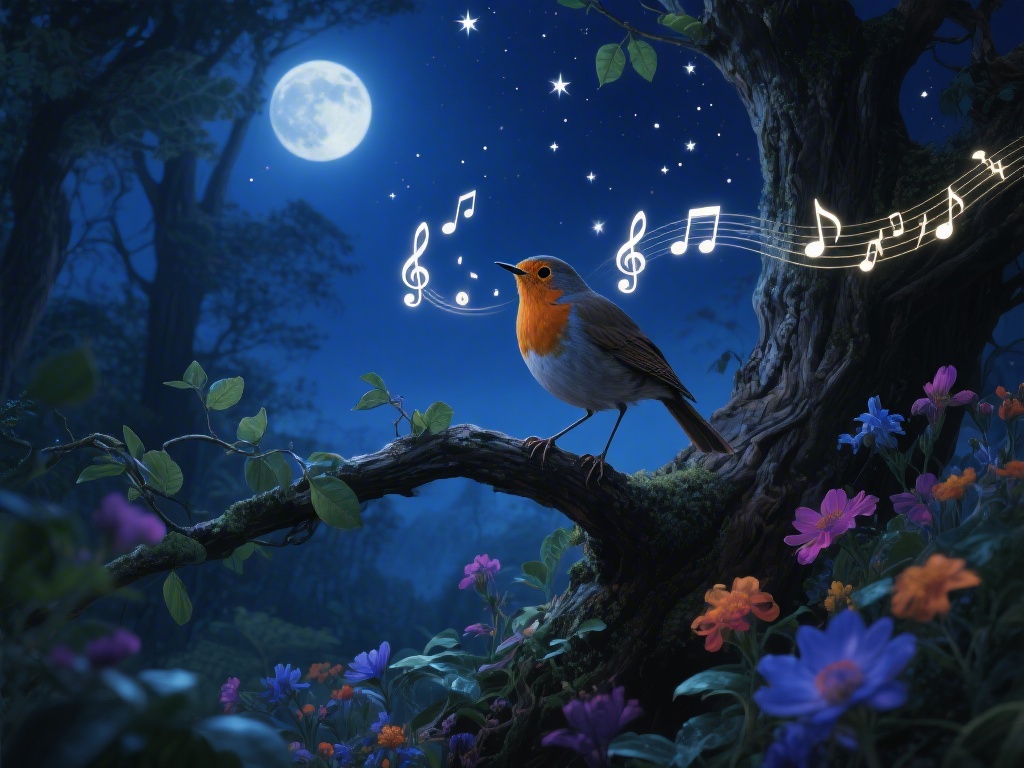
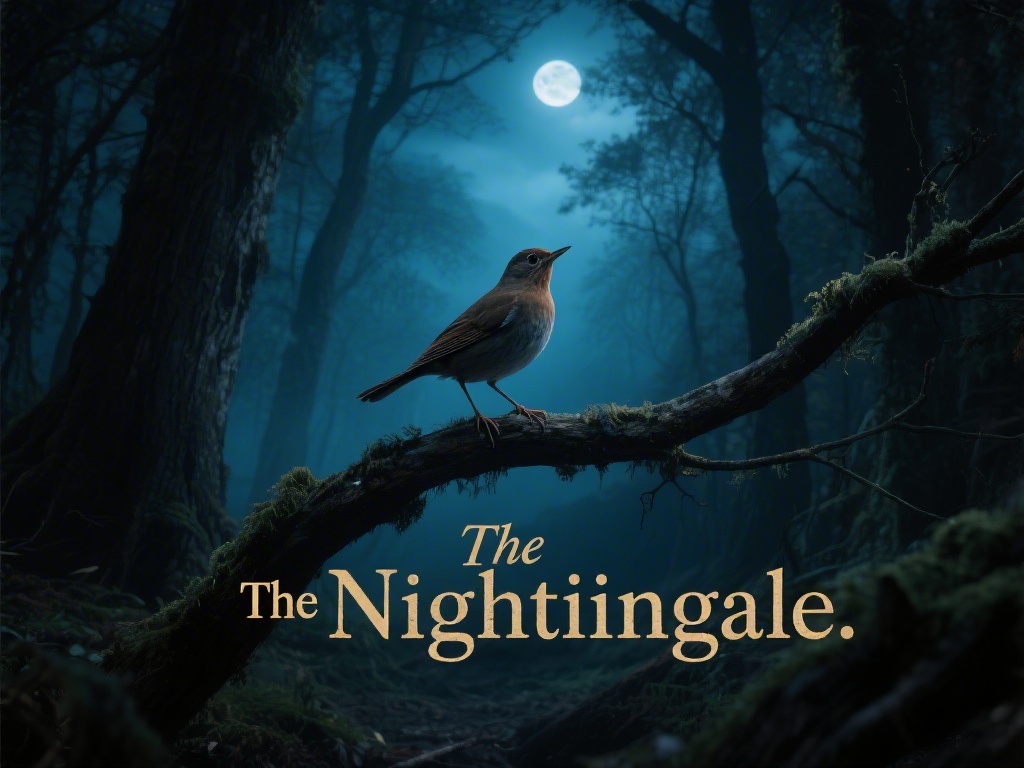
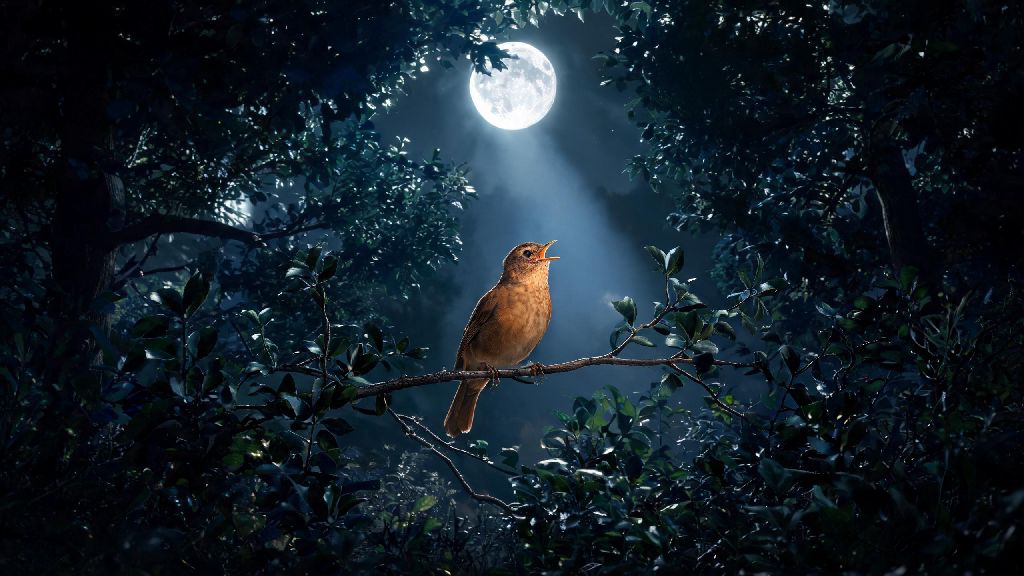
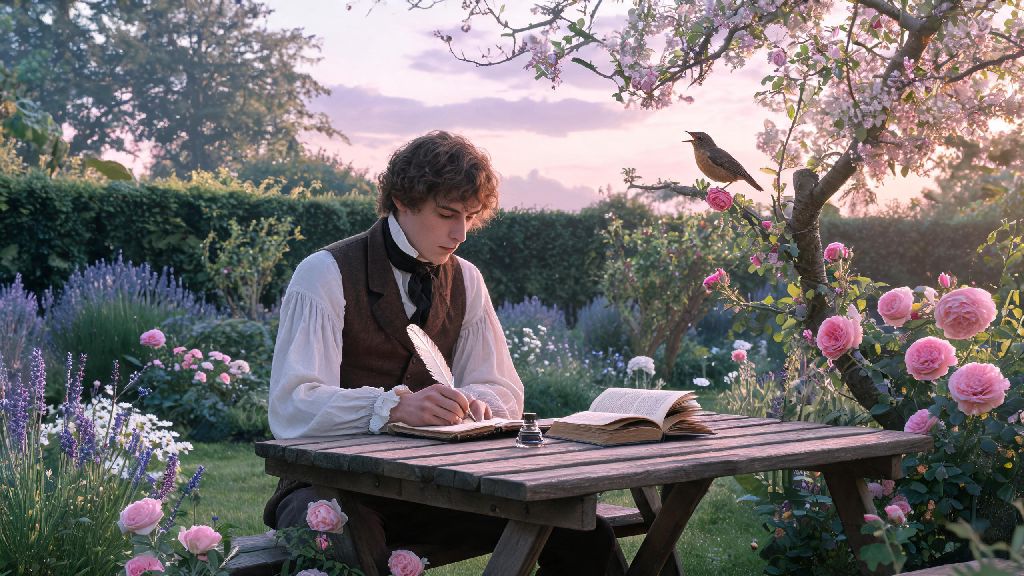
Unlike many famous literary works that took months or years to draft, Ode to Nightingale was written in a single burst of inspiration. Brown later wrote in his memoirs that a nightingale had built a nest near the cottage in the spring of 1819, and Keats had been sitting under a plum tree in the garden for nearly three hours one morning, listening to the bird sing, when he came back inside holding three or four sheets of crumpled paper covered in his messy handwriting.
That rough draft was almost identical to the final version of the poem that was published later that year. Keats told Brown that the bird’s song had felt like a escape from the constant transient human suffering he was experiencing at the time — from his own declining health, to the recent death of his younger brother Tom from the same tuberculosis he was now battling, to the stress of knowing he could never publicly acknowledge his engagement to Fanny because he had no money to support a family.
You can still visit Keats’ Hampstead cottage today, which is now a museum dedicated to his life and work. The plum tree he sat under is long gone, but nightingales still return to the garden every spring, and the museum hosts annual readings of the ode on the anniversary of its writing. I’ve visited twice, and it’s surreal to stand in that small garden and realize one of the most famous poems in the world was written there, in just a few hours, by a young man who had no idea how beloved his work would become.
Common Misconceptions About Ode to Nightingale
Because the poem is so emotional and full of vivid, romantic imagery, a lot of people pick up on the wrong details when they first read it. After years of teaching this poem, I’ve heard the same wrong claims repeated over and over, so I’m breaking down the most common ones here:
Many casual poetry fans today look for free, ad-free audio recordings of classic poems to listen to on commutes or during walks, and plenty of niche digital platforms curate public domain literary content for easy access. If you’re someone who prefers listening to poetry rather than reading it off a page, you might have come across curated literary content collections on YonoAppStore, where users often share high-quality public domain recordings of Romantic-era poetry read by professional voice actors. That said, it’s always a good idea to cross-reference any audio recording you find with a printed edition of Keats’ collected works, because some less careful creators will cut out stanzas or adjust the original wording to fit a specific runtime or tone.
Another common misconception is that Keats wrote the poem right before he died. In reality, he wrote it two full years before his death, and he went on to write several other famous odes in the same year, including Ode on a Grecian Urn and To Autumn. 1819 is often called Keats’ "miracle year" because he produced nearly all of his most famous work in that 12 month period, despite dealing with constant health problems and financial stress.
How Ode to Nightingale Shaped Modern Literary Culture
The influence of Ode to Nightingale extends far beyond high school English classrooms, and references to the poem pop up in nearly every form of modern media. For example, the title of F. Scott Fitzgerald’s famous novel Tender Is the Night is taken directly from the 35th line of the ode, and the poem is quoted in dozens of popular films, from Dead Poets Society to Blade Runner 2049. Countless musicians, from folk singers to indie rock bands, have also referenced the poem in their lyrics, and it’s been translated into more than 30 languages around the world.
Part of what makes the poem so enduring is that it touches on core Romantic-era literary themes that are still relatable to readers today: the desire to escape from pain, the joy of small, fleeting moments of beauty, and the question of whether art can make people immortal in some way. Even if you don’t care about 19th century literary history, you can still connect to the feeling of hearing a song or seeing a piece of art that makes you forget your own worries for a little while, which is exactly what Keats was writing about when he described listening to the nightingale’s song.
Scholars continue to publish new analysis of the poem every year, and there are entire academic books dedicated to unpacking its every line and reference. It’s also become a core work for people studying the history of disability in literature, because it’s one of the most famous examples of a disabled artist creating work that directly reflects their experience of chronic illness and impending death. The cross-cultural artistic references to the poem also show just how universal its themes are, even for readers who live hundreds of years and thousands of miles away from Keats’ small Hampstead garden.
At the end of the day, asking who wrote Ode to Nightingale is just the first step to understanding one of the most beautiful poems ever written in the English language. John Keats’ short, tragic life and his deep appreciation for small, fleeting moments of beauty shine through every line of the work, making it just as powerful to read today as it was when he first scribbled it down on scrap paper outside his Hampstead home. Whether you’re reading it for a school assignment, listening to a recorded performance, or just coming across it for the first time, taking the time to unpack its backstory will make every line hit that much harder.