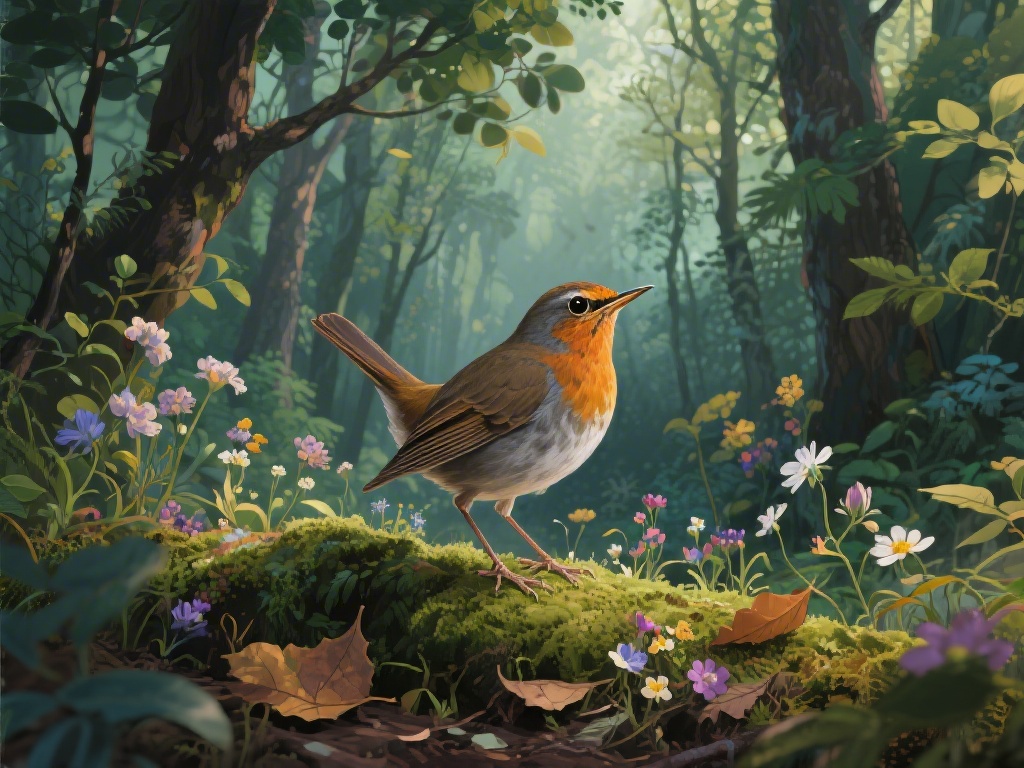
Where Do Nightingale Birds Live? A Comprehensive Guide
Are you curious about the mysterious nightingale bird and its enchanting song? If so, you've come to the right place. In this article, we'll delve into the enigmatic habitats where nightingale birds reside, providing you with a comprehensive guide to their unique lifestyle and surroundings.
1. The Nightingale's Preferred HabitatsThe nightingale, scientifically known as Luscinia megarhynchos, is a migratory songbird that is known for its melodious and captivating song. These birds prefer a variety of habitats, including woodlands, forests, and gardens. Here are some of the most common places where you can find them:
- Woodlands: Nightingales thrive in dense woodlands, particularly those with thick undergrowth. The lush foliage provides them with both shelter and a rich food source.
- Forests: Similar to woodlands, forests offer a perfect environment for nightingales, with their diverse flora and fauna.
- Gardens: Surprisingly, nightingales can also be found in gardens, especially those with dense shrubbery and water features.
2. The Nightingale's Migration PatternNightingales are migratory birds, which means they travel from their breeding grounds in Europe and Asia to their wintering grounds in Africa. Their migration pattern is influenced by various factors, including climate and food availability.
- Breeding Grounds: During the breeding season, nightingales are found in the dense forests of Europe and Asia, where they lay their eggs and raise their young.
- Wintering Grounds: As the seasons change, nightingales migrate to the warm regions of Africa to escape the cold and harsh winters.
3. The Nightingale's DietNightingales are opportunistic feeders, which means they eat a variety of food sources. Their diet primarily consists of insects, but they also consume fruits, berries, and small seeds.
- Insects: Nightingales have a strong preference for insects, particularly beetles, caterpillars, and moths.
- Fruits and Berries: During the non-breeding season, nightingales consume fruits and berries to sustain themselves.
4. The Nightingale's SongOne of the most fascinating aspects of the nightingale is its song. The male nightingale's song is known for its complexity and beauty, which is often described as enchanting and melodious. The song is primarily used to attract mates and mark territory.
- Complex Song: The male nightingale's song is incredibly complex, with a wide range of notes and rhythms.
- Attracting Mates: The male nightingale's song is a powerful tool for attracting mates, as it showcases his fitness and territory.
5. Conservation EffortsNightingales are facing various threats, including habitat loss and climate change. Conservation efforts are essential to protect these enchanting birds and their habitats.
- Habitat Protection: Protecting woodlands, forests, and gardens is crucial for the survival of nightingales.
- Climate Change Mitigation: Addressing climate change is vital to ensure that nightingales have suitable habitats during both the breeding and non-breeding seasons.
In conclusion, nightingale birds live in a variety of habitats, including woodlands, forests, and gardens. Understanding their migration patterns, diet, and song can help us appreciate these enchanting birds even more. By taking part in conservation efforts, we can ensure that nightingales continue to enchant us with their beautiful songs for generations to come.