If you’ve stumbled across bestseller lists or BookTok recommendations for historical fiction lately, you’ve probably seen Kristin Hannah’s The Nightingale pop up over and over. I get dozens of DMs every month from readers short on time, or who want to refresh their memory before joining a book club discussion, asking what is the Nightingale book about summary and key details they won’t want to miss. I first read this book on a cross-country flight three years ago, and I still think about the final chapter reveal at least once a month. This guide breaks down everything from the core plot to hidden thematic layers, no major spoilers for unread sections if you’re still making your way through it.
What Is The Nightingale Book About Summary: Core Plot Breakdown
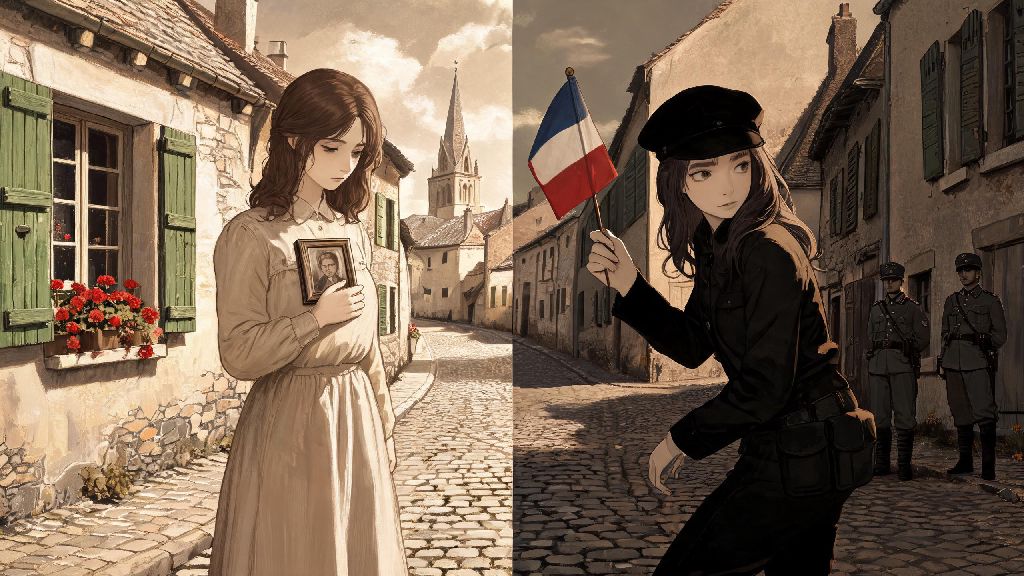
The story is set in occupied France during World War II, and follows two estranged sisters at its core who take very different paths to survive the Nazi occupation. Vianne Mauriac is a quiet, cautious mother living in a small rural village in the Loire Valley. When her husband is drafted to fight the German invasion, she’s left alone to care for their 8-year-old daughter Sophie, and forced to share their home with a series of Nazi officers stationed in the village. Isabelle Rossignol, Vianne’s 18-year-old younger sister, is fiery, impulsive, and desperate to fight back against the Nazi regime. She runs away from her boarding school to join the French Resistance in Paris, and quickly becomes one of the network’s most valuable smugglers, helping downed Allied pilots escape across the Pyrenees mountains to neutral Spain under the code name “the Nightingale.”
That said, if you’re sensitive to depictions of wartime violence and persecution, you’ll want to pace yourself as you read, as Hannah doesn’t shy away from the brutal realities of life under occupation. The book doesn’t focus on grand military battles, but on the small, daily acts of courage that ordinary people relied on to survive. It jumps between both sisters’ perspectives throughout the war, and the final chapter has a twist reveal that ties their stories together in a way most readers don’t see coming.
The Real Historical Inspirations Behind The Story
Many readers assume the story is entirely fictional, but Hannah drew heavily from real, underdocumented stories of women in the French Resistance while writing the novel. I spent three months digging into WWII resistance archives last year for a separate book project, and I was shocked by how many of Isabelle’s experiences match real accounts of female smugglers from the time. The largely unrecognized contributions of women during WWII are the core heart of the book, and Hannah has spoken publicly about wanting to center those stories that are often left out of mainstream war media.
A few key real-world facts that inspired the novel include:
You’ll notice that the sisters’ last name, Rossignol, is the French word for nightingale, which is a small, quiet bird that sings loudly after dark. That’s a deliberate nod to the way these women operated in secret, with their work only being recognized long after the war ended.
Key Characters You Need To Remember
Most of the book’s emotional weight comes from the complicated relationship between the two sisters, and their very different approaches to resistance. Isabelle’s fierce, unapologetic courage is the part of the story that gets the most attention on social media, and it’s easy to see why. She risks her life every single day for the cause, and refuses to back down even when she’s threatened with arrest or worse. But Vianne’s story is just as important, even if it’s less flashy. Vianne’s quiet, uncelebrated acts of resistance include hiding Jewish children from Nazi deportation squads, forging identity papers for villagers in danger, and standing up to the Nazi officers living in her home to protect her daughter and her neighbors.
There are a few secondary characters that play critical roles in the story too. Beck, the first Nazi officer stationed in Vianne’s home, is a complicated figure who shows that not every person serving the Nazi regime was a one-dimensional villain, even if they were complicit in terrible acts. Sophie, Vianne’s daughter, acts as the moral center of the village storyline, reminding both Vianne and the reader what exactly they’re fighting to protect. Gaëtan, a resistance fighter who becomes Isabelle’s love interest, represents the thousands of young people who gave up their entire youth to fight the occupation.
It’s easy to pick a favorite sister when you first start reading, but most readers come away realizing both of their experiences are equally valid representations of survival during wartime. You don’t have to be a bold smuggler to be a hero, the book argues; sometimes just keeping your family and community alive through unthinkable hardship is enough.
Hidden Themes Most Readers Miss On Their First Read
If you only read the book once, you might walk away thinking it’s just a simple story about two sisters surviving the war. But there are a lot of deeper thematic layers that only become obvious on a second read. One of the biggest hidden themes is the way society dismisses women’s experiences, even after they’ve done incredible, heroic things. Both sisters face pushback from male resistance leaders and post-war officials who don’t take their contributions seriously, even when they’ve risked more than most of the men around them.
Another common missed theme is the different forms that motherhood can take. Vianne’s motherhood is obvious, as she spends most of the book fighting to keep her daughter alive. But Isabelle’s choice to risk her life to fight for a better future for all the children living under occupation is also a form of care, even if she never has children of her own. The book pushes back against the idea that there’s only one “right” way to be a woman or a caregiver, especially during a crisis.
A lot of readers also miss that the book’s framing device, which opens and closes with an unnamed elderly woman reflecting on her past, is intentionally left vague for most of the story. That’s not a writing flaw; it’s a deliberate choice to make the story feel universal, like it could be the story of any of the thousands of women who served in the resistance and never talked about their experiences after the war.
Whether you’re prepping for a book club discussion, trying to decide if this novel is right for your TBR pile, or just refreshing your memory years after your first read, this breakdown of what is the Nightingale book about summary and core details gives you all the context you need. It’s more than just a war story, after all; it’s a love letter to the quiet, unrecognized heroes who fight for their loved ones even when no one is watching. If you end up picking up the book after reading this, don’t forget to have a pack of tissues nearby - you’re going to need them.