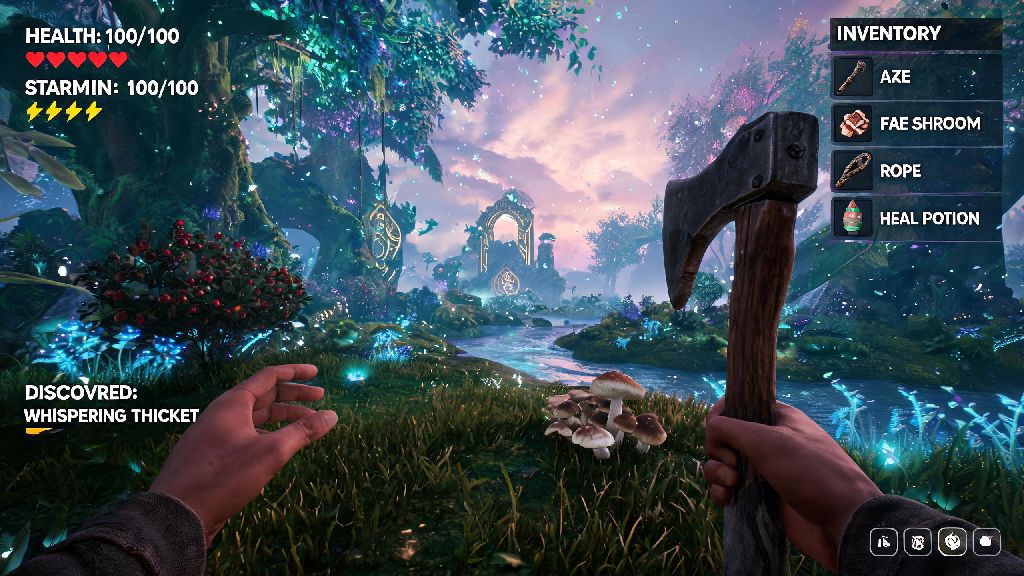
If you’ve ever walked in on your kid glued to a stream of someone exploring Nightingale’s Fae wilds, or you’re a young gamer scouting for your next survival game obsession, you’ve likely asked what age is the nightingale for. A lot of people default to the official age rating, but anyone who’s spent time playing open-world survival games knows that content labels don’t tell the whole story. This guide breaks down official ratings, hidden content risks, and key maturity factors to help you decide if the game is a good fit for you or your family. We’ll also cover easy settings tweaks you can use to make the game more appropriate for younger players if you decide it’s a go.
What Age Is The Nightingale For? Official Rating Breakdown
The Entertainment Software Rating Board (ESRB) has given Nightingale a T for Teen rating, meaning it’s officially recommended for players 13 and older. PEGI, the European rating board, rates the game 16, citing slightly stricter guidelines around fantasy violence and online interaction. Both ratings are based on consistent content found across the base game, not just optional or edge-case content.
What content triggered these ratings? First, fantasy combat with melee and ranged weapons is a core part of gameplay. You’ll fight Fae creatures, wild animals, and occasionally hostile human NPCs as you explore different biomes. There’s very little blood, and no graphic dismemberment or gore, but combat is fast-paced and can feel intense for younger players.
Other content that factors into the rating includes mild crude language in NPC dialogue, rare references to drinking ale in in-game taverns, and spooky, atmospheric biomes that feature shadowy monsters and dim, tense dungeon areas. There are no explicit sexual themes, but some NPC outfits and dialogue have mild suggestive undertones that most parents won’t find concerning, but are worth noting for younger kids.
Key Maturity Factors That Impact Age Suitability For Nightingale
Official ratings are a helpful starting point, but they don’t account for individual maturity levels. If you’re still wondering what age is the nightingale for beyond the official label, these maturity factors are the next thing to look at. A 12 year old who has spent dozens of hours playing co-op survival games with their older cousin might handle Nightingale perfectly, while a 14 year old who gets easily frustrated by setbacks or scared by spooky content might not be ready to play on their own.
Before you let a younger player pick up the game, ask yourself if they have these core skills:
Multiplayer safety skills are the most overlooked factor for many parents. Nightingale’s public lobbies are mostly friendly, but like any online game, you can run into players who use offensive language or grief other people’s bases. If a younger player doesn’t know how to use the game’s safety tools, they might have a bad experience even if they can handle the single-player content easily.
When Is A Younger Player Ready To Play Nightingale?
There’s no hard and fast rule for letting a player under 13 try Nightingale, but there are a few clear signs they’re ready to handle it, even if they fall below the official recommended age when you’re weighing what age is the nightingale for for your family. First, if they’ve already played and enjoyed other T-rated survival games like Valheim or Minecraft: Java Edition with multiplayer enabled, they’re already familiar with most of the content and risks Nightingale presents.
Another good sign is that they already follow clear screen time rules for other games, and don’t throw fits when they lose progress or a fight in other titles. Nightingale’s core loop involves a lot of grinding, and it’s not uncommon to lose hours of collected resources if you get caught off guard by a powerful Fae creature. Players who get overly upset by these kinds of setbacks might not have fun with the game at all, regardless of their age.
You don’t have to stick strictly to the official age rating if you’re willing to adjust settings and play with your kid at first. For example, you can turn off public multiplayer entirely so they can only play with people you approve, turn down the game’s brightness and horror effects to make spooky biomes less intense, and play co-op with them for their first few sessions to help them learn the ropes. I’ve talked to multiple parents who let their 11 and 12 year olds play Nightingale exclusively with older siblings or family friends, and they’ve had zero issues with inappropriate content or bad online experiences.
Common Concerns Parents Have About Nightingale Content
Most parents I talk to have the same small list of concerns about Nightingale, and most of them are easy to address with simple settings tweaks. First, many worry about excessive violence, but the game’s combat is very cartoonish compared to other survival titles. You’ll never see graphic injury or realistic depictions of harm to humans, and you can even turn off the minimal blood effects entirely in the settings menu if you want.
Another common worry is toxic online interactions, but PvP mode is entirely optional in Nightingale. You never have to fight other real players if you don’t want to, and you can set your server to private so only people you invite can join your world. Even if you do join public lobbies, the game has robust mute, block, and report tools that make it easy to remove bad actors from your session in seconds.
Some parents also worry about pay-to-win mechanics or endless microtransactions, but that’s not an issue here. There are no pay-to-win mechanics in Nightingale, and all post-launch content updates are free for all players. The only paid DLC are cosmetic skins for characters and bases, so you never have to worry about your kid needing to spend real money to keep up with their friends or access core game content.
The last common concern is addictive gameplay, which is valid for any open-world survival game. Nightingale’s loop of exploring, building, and upgrading is very engaging, but it’s no more addictive than other popular survival titles. Setting clear screen time limits, and encouraging your kid to take breaks every hour or two, is more than enough to prevent excessive play.
At the end of the day, what age is the nightingale for depends on a mix of official content guidelines, individual maturity, and the settings you use when playing. The official 13+ ESRB rating is a great baseline, but younger players who have experience with survival games and solid online safety skills can absolutely enjoy the game safely with a few small adjustments. If you’re still on the fence, sit down and play the first hour or two with the player in question to see how they react to the content and gameplay loop, and go from there.