If you’re like most people, you know Florence Nightingale as the Lady with the Lamp, the trailblazing founder of modern nursing who tended to wounded British soldiers during the Crimean War. But far fewer people stop to ask about the later decades of her life, or where did Florence Nightingale die after nearly 60 years of tireless advocacy for public health and patient care. Most popular retellings of her story cut off right when she returns home from the war, so it’s easy to miss that she spent most of her adult life working behind closed doors, shaping health policies that still impact us today. This post breaks down not just the exact location of her death, but the context around her final years, the work she completed even when bedridden, and the surprising choices she made about her legacy after she passed.
The Exact Location Where Florence Nightingale Died
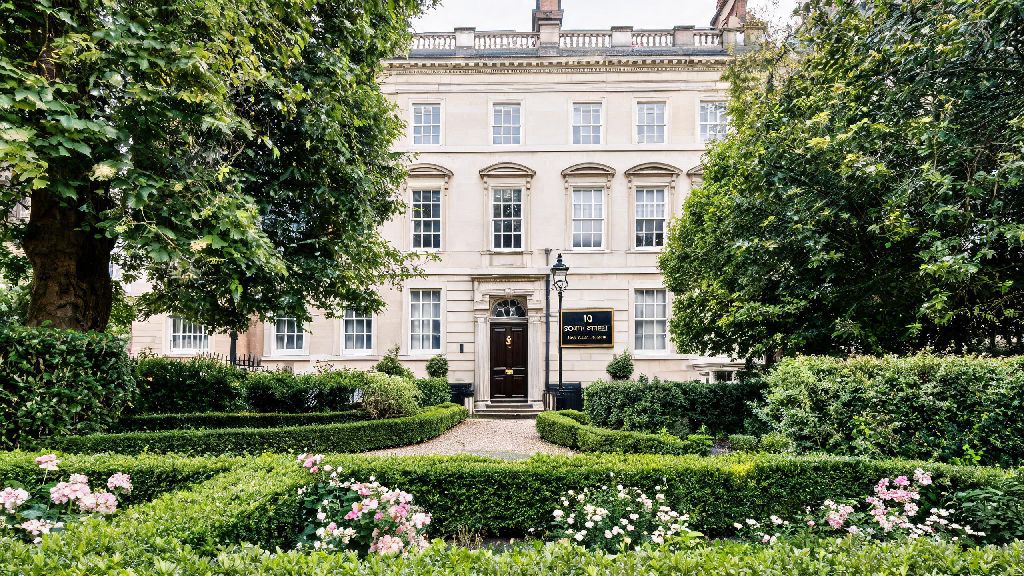
Florence Nightingale died at her long-time home, 10 South Street, Park Lane, in London’s upscale Mayfair district. She lived in this four-story townhouse for 45 years, from 1865 until her death on August 13, 1910. She passed away peacefully in her second-floor bedroom at 2 pm, surrounded by a small team of her personal nurses and her closest niece, at the age of 90.
The property was gifted to her by her wealthy, upper-class family, who initially opposed her decision to pursue nursing but eventually supported her work after she became a national hero post-Crimean War. The home was chosen specifically for its quiet, private location, which allowed her to avoid constant public attention while still meeting with political leaders and public health advocates. Today, the building features a blue English Heritage plaque installed in 1987, marking it as her former residence and honoring her contributions to global health.
While she died in London, she was not buried in the city. The British government offered her a state funeral and burial in Westminster Abbey, a rare honor reserved for national icons, but her family declined the offer per her explicit final wishes. She was instead buried in a small, private plot at St Margaret’s Church in East Wellow, Hampshire, alongside her parents and other members of the Nightingale family.
What Led to Her Living in That Home for 45 Years?
When Nightingale returned to England from the Crimean War in 1856, she was celebrated across the country for her work reducing mortality rates in military hospitals by 75% through improved sanitation practices. But she returned with a mysterious, chronic illness that left her largely bedridden by 1857, a condition that historians now believe was brucellosis, a bacterial infection she contracted from unsanitary food and water in the Crimean hospital camps.
Her family initially moved her to a smaller home in London’s Burlington Hotel, but the constant stream of uninvited visitors and fans made it impossible for her to rest or focus on her work. The South Street townhouse was purchased as a permanent solution, with a dedicated ground floor office for her assistants and a private suite on the second floor where she lived and worked. Even while confined to her bed for nearly 50 years, she wrote over 200 reports, pamphlets, and books on nursing practice, hospital design, and public health policy that shaped health systems across the British Empire and beyond.
I’ve walked past the South Street property a handful of times while exploring Mayfair, and it’s wild how unassuming it looks compared to the grand, famous landmarks across London. You’d never guess that such a normal-looking townhouse was the center of global public health reform for almost half a century. She rarely left the property after 1880, only stepping outside for rare trips to the countryside when her health allowed it.
Little-Known Facts About Her Final Days
Nightingale remained sharp and engaged with her work until just three days before her death, when she developed a sudden, severe fever. She was still signing letters for new nursing trainees and reviewing public health reports the week before she passed, and she never lost interest in the causes she spent her life fighting for. There are a handful of little-known details about her final days that add a lot of context to who she was beyond the textbook myth:
Many people assume she died shortly after the Crimean War, because most popular accounts of her life stop there, but she lived more than half her life after returning home from the conflict. She also received the Order of Merit in 1907, making her the first woman ever to be awarded the highest civilian honor in the United Kingdom, just three years before her death. She accepted the award privately, with no public ceremony, and kept the medal on her bedside table for the rest of her life.
Why Her Death Location Matters for Modern Nursing History
It’s easy to write off the address of her death as a random, trivial fact, but it actually tells us a lot about the reality of her work that gets lost in popular retellings. Most people picture her as a young woman walking through hospital wards with a lamp, but the majority of her most impactful work was done from that small bedroom in Mayfair, far from the battlefield.
The policies she wrote from that home mandated basic sanitation standards in all British hospitals, established formal nursing training programs across the world, and pushed for better access to healthcare for poor and working-class people who had previously been ignored by the medical system. Learning about this space helps humanize Nightingale beyond the mythic figure we see in textbooks, and reminds us that systemic change often happens in quiet, unglamorous spaces, not just in high-profile, dramatic settings.
If you’re ever in London, the blue plaque at 10 South Street is easy to find, just a 10-minute walk from Hyde Park Corner tube station. It’s not a crowded tourist spot, so you can stop and read the plaque without crowds, and it’s a small, meaningful stop for anyone interested in nursing history or public health reform. Many nursing students who visit the site say it helps them feel more connected to the roots of their profession, and it’s a nice reminder of the quiet, consistent work that goes into changing the world.
Now you know not just where did Florence Nightingale die, but the full context of that space, the decades of groundbreaking work she did there, and the humble approach she took to her own legacy. She wasn’t just a symbol of compassionate care – she was a sharp, data-driven advocate who spent most of her life fighting to make healthcare better for people who couldn’t fight for themselves. If you want to dig deeper into her work, many of her original pamphlets and personal letters are available to view for free in digital public archives, and they’re still just as relevant for modern nurses and public health workers as they were when she wrote them.