If you’ve ever taken a first aid class, visited a hospital, or read a kids’ book about famous women in history, you’ve probably heard Florence Nightingale called the mother of modern nursing. But a common question that pops up in both high school history papers and casual nursing forum discussions is was Florence Nightingale the first nurse? Most people assume the answer is a straightforward yes, but the real story is far more nuanced, with evidence of structured nursing work dating back thousands of years before she was even born. This guide breaks down what makes Nightingale so iconic, who came before her, and why the myth of her being the first nurse persists to this day.
Was Florence Nightingale the First Nurse? Breaking Down the Common Myth
The short answer to this question is no, Florence Nightingale was not the first person to work as a nurse. That said, the myth that she was comes from very real, groundbreaking contributions she made to the field that changed nursing forever. What she actually was is the founder of modern professional nursing education, a title that no one can dispute. She first rose to fame in 1854, when she led a team of 38 volunteer nurses to care for injured British soldiers during the Crimean War at the Scutari Hospital in Turkey.
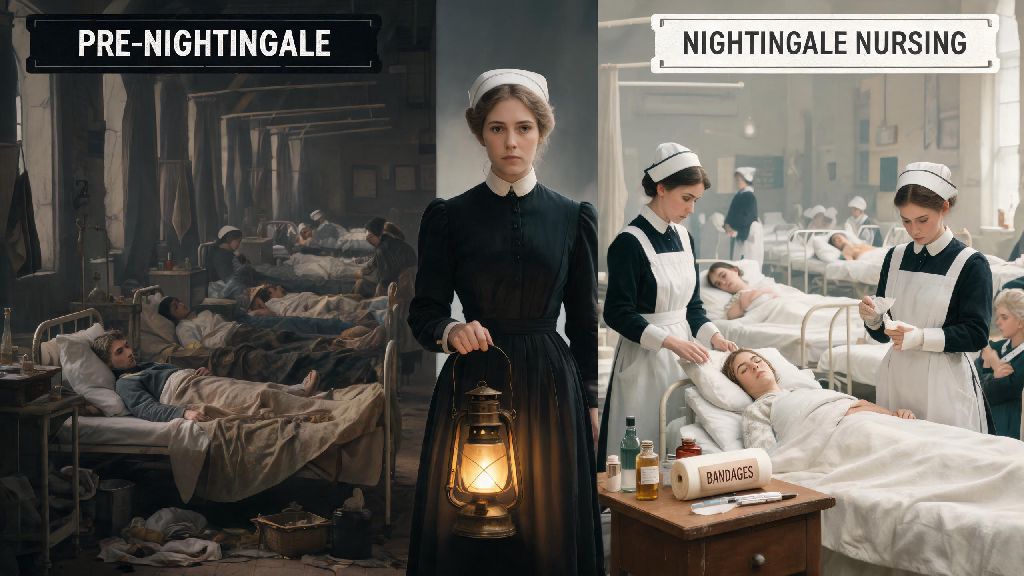
When she arrived, the hospital was overcrowded, unsanitary, and lacked basic supplies like bandages and soap. The mortality rate for soldiers was sitting at 42%, with most deaths coming from preventable diseases like typhus and cholera rather than combat wounds. Nightingale implemented strict sanitation protocols, organized laundry services, and set up dedicated patient nutrition programs, and within two years, she cut the mortality rate down to just 2%. Her work was covered heavily by British newspapers, which gave her the famous “Lady with the Lamp” nickname for her habit of making rounds to check on patients late at night.
Little-Known Nursing Pioneers Who Preceded Florence Nightingale
Caring for sick, injured, and elderly people is a practice that dates back to the earliest human civilizations, and there are hundreds of recorded nurses who lived hundreds or even thousands of years before Nightingale was born in 1820. Most of these women’s stories have been left out of mainstream history textbooks, but their work laid the groundwork for the nursing practices we use today. Some of the most notable pre-Nightingale nurses include:
These are just a handful of examples. There are even records of specialized nurses working in ancient Egypt as far back as 3000 BCE, including midwives, wound care specialists, and end-of-life caregivers who served both royal families and ordinary communities. Nursing as a practice is as old as human society itself, not something that was invented in the 19th century.
Why So Many People Believe Florence Nightingale Was the First Nurse
It’s not a coincidence that most popular history narratives frame Nightingale as the origin point of nursing, even though we have clear records of earlier nurses. She was the first person to turn nursing into a respected, paid profession for women outside of religious orders, and that status helped her work get more attention and documentation than the nurses who came before her. Before Nightingale’s era, nursing was widely seen as a low-status job for people with few other career options, often associated with poverty, low education, and even moral suspicion. Most nurses at the time were either unpaid religious workers, low-wage laborers, or even prisoners forced to care for sick inmates.
Nightingale also had the privilege of being a wealthy, educated white woman from a prominent British family, which gave her access to media coverage and political connections that earlier nurses from other backgrounds never had. Newspapers across Europe and North America covered her Crimean War work extensively, turning her into a global celebrity almost overnight. When she founded the Nightingale Training School for Nurses at St. Thomas’ Hospital in London in 1860, her education model was adopted by hospitals all over the world, so every early modern nurse was trained directly under her system. That widespread adoption led 20th century textbook writers to frame her as the “first” nurse, even though they were only referring to the modern professional version of the role.
What Florence Nightingale Actually Contributed to Modern Nursing
Even if she wasn’t the first nurse, Nightingale’s contributions to the field are still revolutionary, and they still shape how nursing works today. One of her most underrated achievements was her work as a statistician, at a time when women were almost entirely excluded from the math and science fields. Her use of data visualization to push for public health reform was revolutionary for the 1850s, and she even invented a type of pie chart called the polar area diagram to clearly show government officials that most Crimean War deaths were preventable with better sanitation. She used that data to push for nationwide hospital reform in the UK, which led to sweeping changes to sanitation protocols in both public and private medical facilities.
She also wrote Notes on Nursing: What It Is, and What It Is Not in 1859, the first widely accessible nursing textbook for ordinary women, not just trained medical professionals. The book covered everything from hand hygiene to room ventilation to patient nutrition, and it sold over 10,000 copies in its first year of publication. It’s still reprinted today, and many working nurses keep a copy on their desk for its timeless, practical advice about patient care.
Perhaps her most important contribution was establishing a formal, standardized education system for nurses that required both classroom coursework and hands-on clinical experience, plus a formal code of ethics for all practicing nurses. Before her school opened, there was no official credentialing process for nurses, so anyone could claim to be a nurse regardless of their training or experience. Her model is still the basis for nursing education all over the world today, and it’s the reason nursing is seen as a respected, skilled profession rather than unskilled labor.
So, to answer the question we started with: was Florence Nightingale the first nurse? The short answer is no, but that doesn’t take away from how transformative her work was for the field of nursing. She didn’t invent the practice of caring for sick people, but she turned that practice into a respected, formal profession that has saved millions of lives in the years since. The next time you hear someone refer to her as the first nurse, you can correct the myth gently, and also take a minute to honor the thousands of unrecognized nurses who came before her, who laid the groundwork for all the care we rely on today.