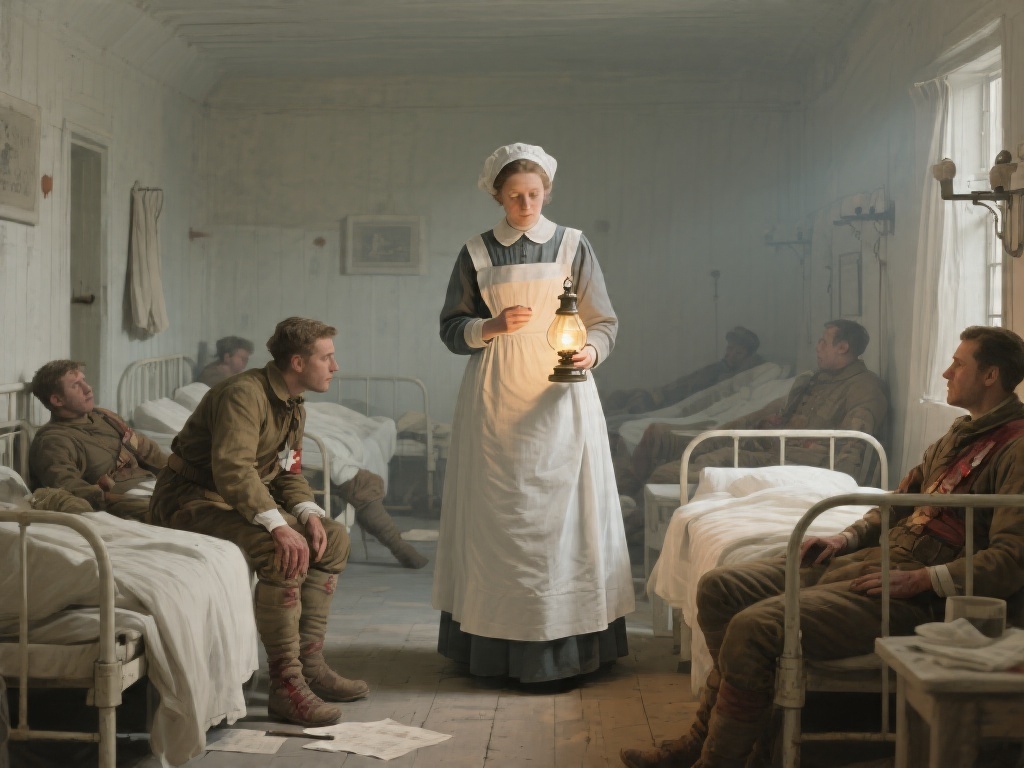
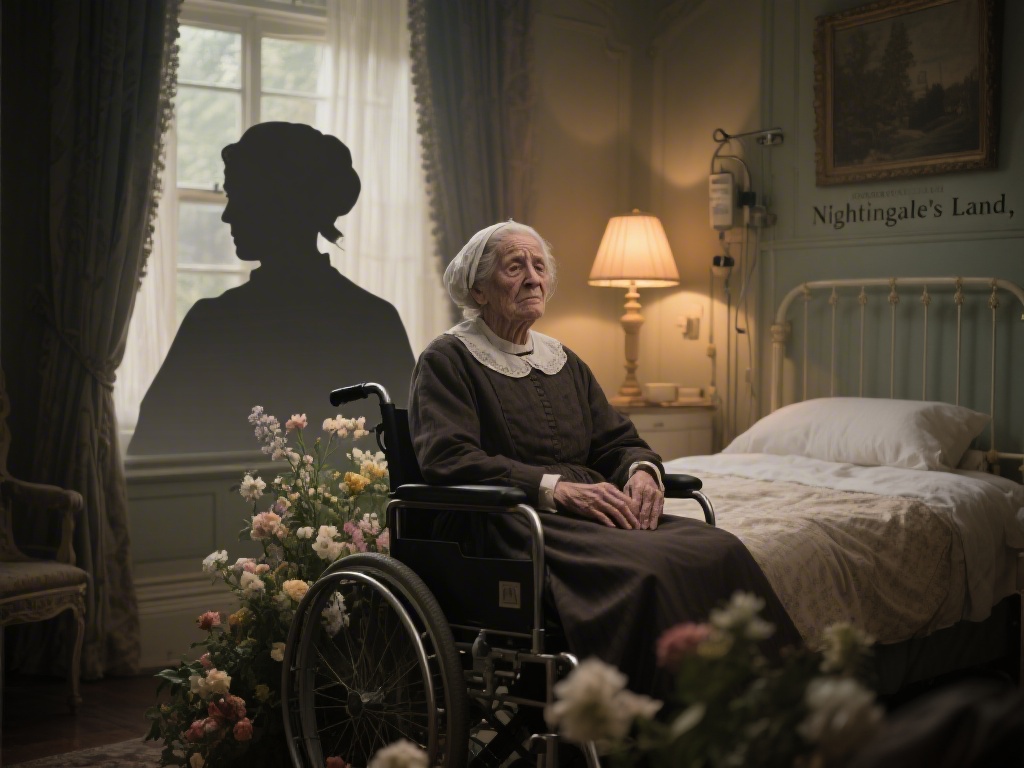
If you’ve ever studied nursing history or heard stories of the “Lady with the Lamp,” you’ve probably wondered at least once how old was Florence Nightingale when she became a nurse. Most of us know her for her work during the Crimean War, where she reduced soldier mortality rates by an astounding 60% with simple sanitation reforms, but far fewer people know the long, uphill battle she fought to even enter the nursing profession in the first place. It wasn’t a straightforward path for a wealthy, well-educated Victorian woman, and her age when she officially qualified is just one small piece of a much more fascinating story.
How Old Was Florence Nightingale When She Became a Nurse, Exactly?
Florence Nightingale was 31 years old when she completed formal nursing training and earned official recognition as a nurse in 1851. That number surprises a lot of people, because most popular depictions of her show her as a young woman tending to soldiers during the Crimean War, which started just three years after she qualified. She first felt a “divine calling” to care for the sick when she was just 16 years old, but she spent 15 years fighting family disapproval and societal barriers before she could pursue that calling full-time.
Her upper-class British family viewed nursing as a disreputable career for a woman of her status, and for good reason at the time. Most nursing roles in the 1840s were filled by unskilled, working-class women, many of whom had histories of alcohol abuse or were even associated with sex work. Hospitals were dirty, dangerous places, and there were no formal training or certification requirements for anyone who wanted to work with patients. Her parents tried to distract her from her goal with parties, travel, and suitable marriage proposals, but she refused to give up on her plan.
She spent those 15 years studying healthcare reports, anatomy, and hospital administration in secret, whenever she had time away from her family’s social obligations. She even turned down a marriage proposal from a respected politician at 27, because she knew marriage would make it impossible for her to dedicate her life to nursing. It wasn’t until she was 30 that her father finally agreed to let her take formal training, as long as she completed it at a respected, religiously affiliated institution.
What Nursing Training Looked Like for Florence Nightingale
Nightingale completed her core training at the Kaiserswerth Deaconess Institution in Germany, a Protestant-run facility that was one of the only places in Europe offering formal nursing training for women at the time. The program was only three months long, but it was far more rigorous than any other training available for nurses in that era. Victorian nursing roles before Nightingale’s reforms required no formal training, no certification, and no background checks for most positions, so even this short program put her far ahead of most people working in patient care at the time.
When she enrolled at Kaiserswerth, she had to meet a strict set of requirements that were unheard of for ordinary nursing roles:
- Minimum 18 years of age, with a letter of recommendation from a clergy member confirming good moral character
- Willingness to work 12-hour shifts, 6 days per week, with no paid time off for the first 6 months of employment after training
- Ability to read and write fluently, to follow complex medical instructions and keep basic patient records
- Commitment to follow the institution’s religious guidelines, including attending daily church services and living on-site during training
After completing her training in Germany, she spent a month working with a team of Catholic nuns in Paris who ran a nursing facility for wealthy patients, to learn more about private care administration. She came back to the UK in 1851, fully qualified and ready to start working in the field she’d spent half her life fighting to join. It didn’t take long for her skills to catch the attention of healthcare leaders in London, who were impressed by her formal training and deep knowledge of hospital sanitation.
What She Accomplished in Her First Decade as a Nurse
Just two years after she qualified, Nightingale was hired as superintendent of the Institute for the Care of Sick Gentlewomen in London, a facility that cared for middle-class women who couldn’t afford private home care but didn’t want to stay in dirty, public workhouse hospitals. She implemented strict sanitation protocols there, reduced operating costs by 20% in her first year, and significantly improved patient outcomes, which made her name known to government officials who oversaw public health policy.
When the Crimean War broke out in 1854, reports came back to the UK that wounded soldiers were dying from preventable infections and neglect at far higher rates than they were dying from battle wounds. The Secretary of War personally asked Nightingale to take a team of nurses to the military hospital in Scutari, Turkey, to improve conditions. When she arrived, she found the hospital overcrowded, filled with raw sewage, and lacking basic supplies like soap, bandages, and even clean food for patients. Within 2 years of her arrival at the Scutari hospital, the mortality rate dropped from 42% to just 2%, almost entirely from the simple sanitation reforms she put in place.
I’ve always found it wild that most people only associate her with carrying a lamp to check on patients at night, when her real superpower was data collection and hospital administration. She kept meticulous records of every patient outcome during her time in the Crimea, and used that data to build a case for national sanitation and hospital reform when she returned to the UK. She didn’t just care for individual patients; she built a system that would improve care for millions of people for generations to come.
Common Misconceptions About Florence Nightingale’s Nursing Career
There are a lot of persistent myths about Nightingale’s career that make it hard to understand just how revolutionary her work was. The most common myth is that she became a nurse as a young, naive teenager, when the reality is she was a grown woman with decades of secret study under her belt before she ever worked with a patient professionally. She was deliberate, strategic, and incredibly well-informed about every choice she made in her career.
Another common myth is that she only worked as a nurse during the Crimean War, and retired after she came back to the UK. That couldn’t be further from the truth. She contracted brucellosis, a bacterial infection spread by unpasteurized dairy, while working in Scutari, and became a partial invalid by the time she was 38. But she still worked 12-hour days from her bed for the next 30 years, writing nursing textbooks, advising governments on hospital design, and advocating for public health reforms across the British Empire. Her “polar area diagram” tracking soldier mortality during the Crimean War is still used as an example of effective data visualization today, and she was one of the first women ever admitted to the Royal Statistical Society for her work with public health data.
Many people also assume she was against women pursuing other careers besides nursing, but that’s not true either. She was a strong supporter of women’s education, and wrote extensively about how women were just as capable as men of working in science, medicine, and public administration, if they were given the same access to training and opportunities. She lived to be 90 years old, and spent more than 60 years of her life advocating for better patient care, even when she could no longer work in a hospital directly.
At the end of the day, the answer to how old was Florence Nightingale when she became a nurse is just the start of understanding her incredible impact on global healthcare. She didn’t let family pressure, societal expectations, or later chronic illness stop her from following the calling she’d held for more than 15 years before she officially qualified. If you’re considering a career in nursing today, you can thank her for everything from formal training requirements to standardized sanitation protocols that keep patients safe. Her legacy isn’t just the lamp she carried, it’s the entire framework of modern nursing that we rely on today.