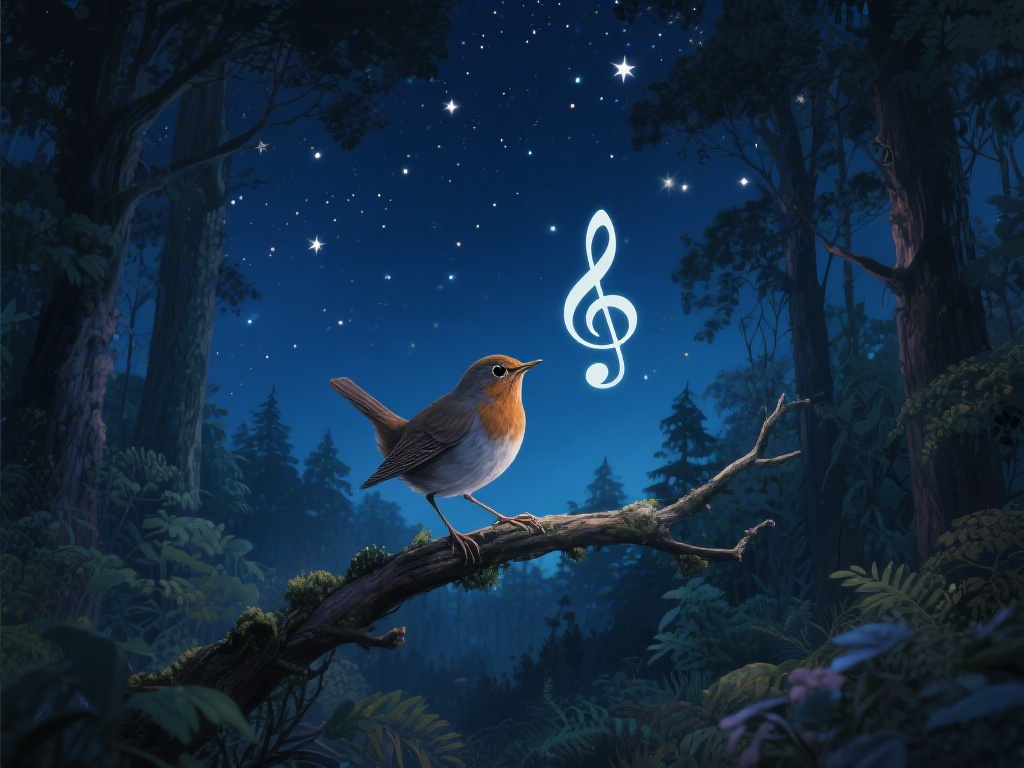
Introduction to Nightingale Songs
The nightingale, with its melodious and enchanting songs, has been captivating humans for centuries. Its unique tunes have inspired countless songs, poems, and stories. But have you ever wondered how to identify a nightingale song? Whether you are a beginner birdwatcher or an enthusiast, this guide will help you unravel the mysteries of nightingale songs.
Understanding the Nightingale's Call
First and foremost, it's important to understand that the nightingale's song is a complex mix of different sounds. While the primary sound is a melodious trill, there are also other elements like warbles, whistles, and clicks. The key to identifying a nightingale song lies in recognizing these various components.
One of the most distinctive features of a nightingale's song is its pitch. The nightingale's song can vary in pitch from a low hum to a high-pitched trill. Pay close attention to the pitch and note any changes in the song.
Timing and Context
Timing and context are also crucial in identifying a nightingale song. Nightingales typically sing during the evening and at night, so if you hear a song during the day, it's unlikely to be a nightingale. Additionally, nightingales often sing from a tree or bush, so listening for the song's origin can also help with identification.
Top Tips for Nightingale Song Identification
Here are some top tips to help you identify a nightingale song:
1. Listen for the Melodious Trill: The nightingale's signature sound is its melodious trill. This sound is often described as a series of rapid, high-pitched notes that sound like a musical instrument.
2. Observe the Song's Structure: A typical nightingale song consists of a series of phrases, each lasting a few seconds. Pay attention to the structure and note any repetitions or variations in the song.
3. Record the Song: If possible, record the nightingale song with a smartphone or a digital recorder. This will allow you to listen to the song at your leisure and compare it with other bird songs.
4. Use a Field Guide: A field guide to birds can be an invaluable resource for identifying nightingale songs. Look for descriptions of the nightingale's song and compare them with what you hear.
5. Join a Birdwatching Group: Joining a local birdwatching group can provide you with valuable insights and tips on identifying nightingale songs. Plus, it's a great way to meet like-minded individuals.
Personal Experience
I remember the first time I heard a nightingale song. It was a beautiful summer evening, and as I walked through the woods, I heard this enchanting melody. I was immediately captivated and knew I had to learn more about these fascinating birds. Since then, I've spent countless hours listening to nightingale songs and trying to identify them. It's a rewarding and enjoyable hobby that has deepened my appreciation for nature.
In conclusion, identifying nightingale songs can be a challenging but exciting task. By understanding the nightingale's call, timing, and context, and using the tips provided in this guide, you'll be well on your way to becoming an expert in nightingale song identification. So, grab your binoculars, headphones, and field guide, and start your journey into the enchanting world of nightingales!