If you’ve ever fallen down a rabbit hole of videos featuring the iconic, melodic song of the common nightingale, you’ve probably wondered if you can hear that same sound on a walk through your local park. I spent three years of my early 20s working as a part-time birding guide in the Pacific Northwest, and I got asked this question at least once a week during spring migration season. For anyone curious are there nightingales in America, the answer is a little more nuanced than a simple yes or no, and it helps to know a bit about bird ranges, migration patterns, and common misidentifications first.
Are There Nightingales in America: Official Range Breakdown
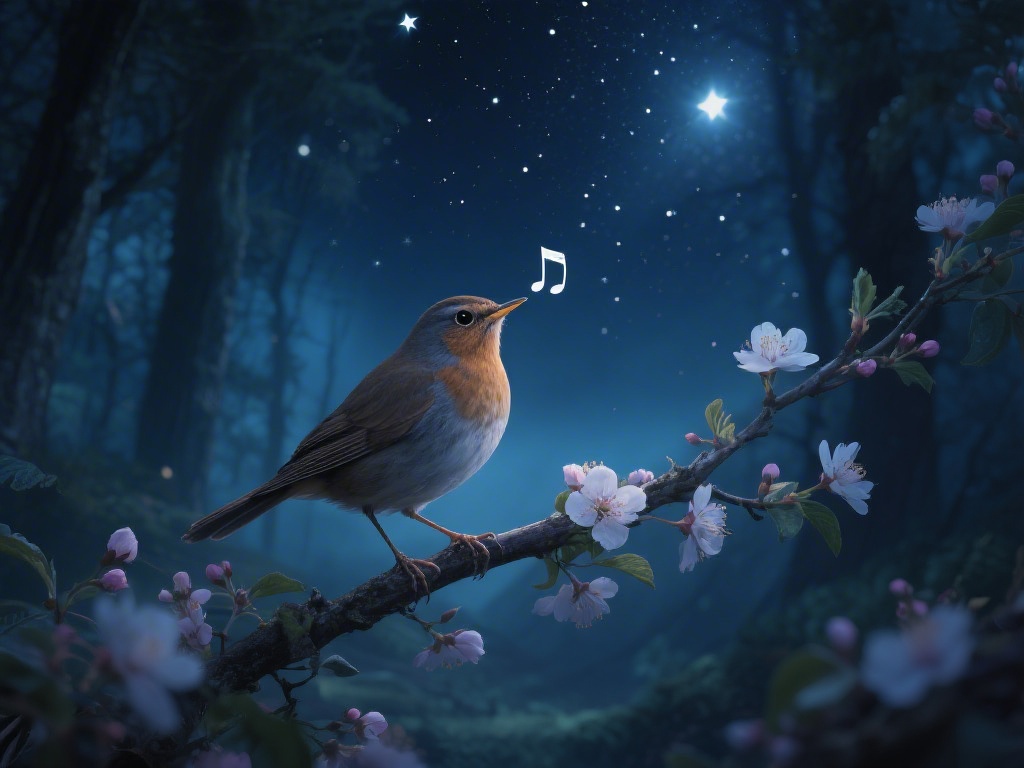
The common nightingale, or Luscinia megarhynchos, is native to Europe, western Asia, and parts of north and sub-Saharan Africa. They migrate long distances every year, flying from their European breeding grounds to winter in Africa, but their migration routes never cross the Atlantic Ocean. Most people who ask are there nightingales in America are shocked to find out how rare sightings really are. There are no self-sustaining wild populations of common nightingales anywhere in the contiguous United States, Canada, or Mexico.
That doesn’t mean sightings are entirely unheard of, though. Rare vagrant nightingales have been spotted fewer than 10 times in the last 30 years in North America, almost all in the western Aleutian Islands of Alaska. These are birds that likely got blown off course during migration, and they don’t stay for long or breed. If you live anywhere in the lower 48 states, the odds of seeing a wild nightingale are effectively zero.
Native North American Birds Often Mistaken for Nightingales
So if you’ve heard a rich, beautiful song coming from a thick bush late at night in the US, what are you actually hearing? Most of the time, it’s one of three common native bird species that are frequently misidentified as nightingales by new and experienced bird watchers alike:
- Northern Mockingbird: The most common culprit for nightingale misidentification, northern mockingbirds are famous for mimicking dozens of other bird calls, frog sounds, and even manmade noises like car alarms. Unmated male mockingbirds sing 24/7 during breeding season to attract partners, so their late-night songs lead thousands of people to assume they’ve heard a nightingale every year. They’re found across almost every state in the US and most of southern Canada, so you’ve almost certainly seen one without realizing it.
- Wood Thrush: With a rich, flute-like, trilling song that is widely considered one of the most beautiful of any North American bird, wood thrushes are another common mix-up. They live in deciduous forests across the eastern US and southern Canada, and they prefer the same thick, low scrub habitat that nightingales favor in their native range. Many bird watchers who travel to Europe specifically to hear nightingales say the wood thrush’s song is just as lovely.
- Common Yellowthroat: While their wren-like, high-pitched song is very different from a nightingale’s, their preferred habitat of brushy wetland edges is nearly identical, leading to visual misidentifications. Males have a distinctive black mask across their eyes, but they stay hidden in thick undergrowth most of the time, so it’s easy to mix them up if you only get a quick glance.
I once had a guest on a birding walk bring me a 2-minute audio clip of a “nightingale” he’d recorded in his backyard in Portland, and it turned out to be a mockingbird doing a near-perfect impression of a nightingale he’d heard in a YouTube video. It’s easy to see how the mix-up happens.
Tips for Spotting Songbirds With Nightingale-Like Songs in the US
You don’t have to fly to Europe to hear a beautiful, melodic songbird that feels just as special as a nightingale. The best time to look for these birds is between late April and early June, when most migratory songbirds are breeding and singing most actively to attract mates and defend their territory. Early morning, right after the sun rises, is the best time to hear the widest variety of songs, but you can also hear mockingbirds singing well after dark if you live in an area with low light pollution.
When you’re out looking, focus on areas with thick, low-growing brush near a water source like a creek, pond, or even a small backyard bird bath. All three of the common nightingale lookalikes prefer this type of habitat, so you’ll have far more luck there than you will in open fields or dense, tall forests. You don’t need expensive equipment either; a $30 pair of binoculars and a free bird call identification app are more than enough for casual bird watching.
One quick note to keep in mind: don’t play loud bird call recordings out loud in wild areas to try to draw birds out. It can stress them out, disrupt their breeding patterns, and even draw predators to their nests. If you can’t identify a song right away, record a short clip on your phone and look it up later when you’re back home.
Can You Keep a Pet Nightingale in the United States?
A lot of people who love the nightingale’s song ask if they can keep one as a pet to hear it at home, but the answer is a hard no for US residents. It is illegal to import, sell, or keep common nightingales as pets in the United States under the Migratory Bird Treaty Act, even if you purchase one from a breeder in their native range. This law applies to both native and non-native migratory bird species, to prevent the spread of invasive species and stop poachers from capturing wild birds for the pet trade.
Even if you could get a special permit to keep a nightingale, they don’t do well in captivity at all. They need large areas to forage for insects, and their natural migration urge means they get extremely stressed in small enclosures. Captive nightingales almost never sing, and most have significantly shorter lifespans than their wild counterparts.
If you want to support nightingale conservation, you’re far better off donating to organizations that protect their breeding and wintering habitats in Europe and Africa than trying to keep one as a pet. Nightingale populations have dropped by more than 50% in the last 50 years due to habitat loss, so every little bit of support helps protect the species for future generations.
At the end of the day, if you’re asking are there nightingales in America, the short answer is that you won’t find established wild populations anywhere in the lower 48 states. But that doesn’t mean you can’t find equally beautiful, melodic songbirds right in your own backyard. Next time you’re out for a walk on a warm spring evening, stop and listen for the trill of a wood thrush or the varied mimicry of a mockingbird. You might just find a new favorite bird that’s even more special because it’s native to where you live.