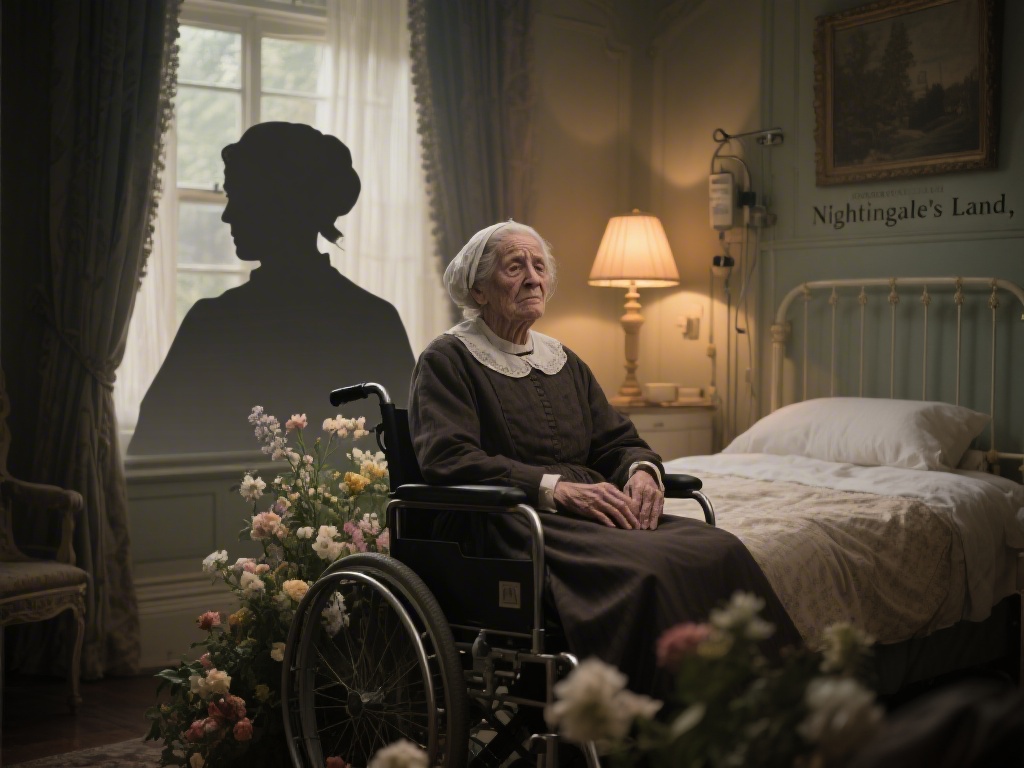
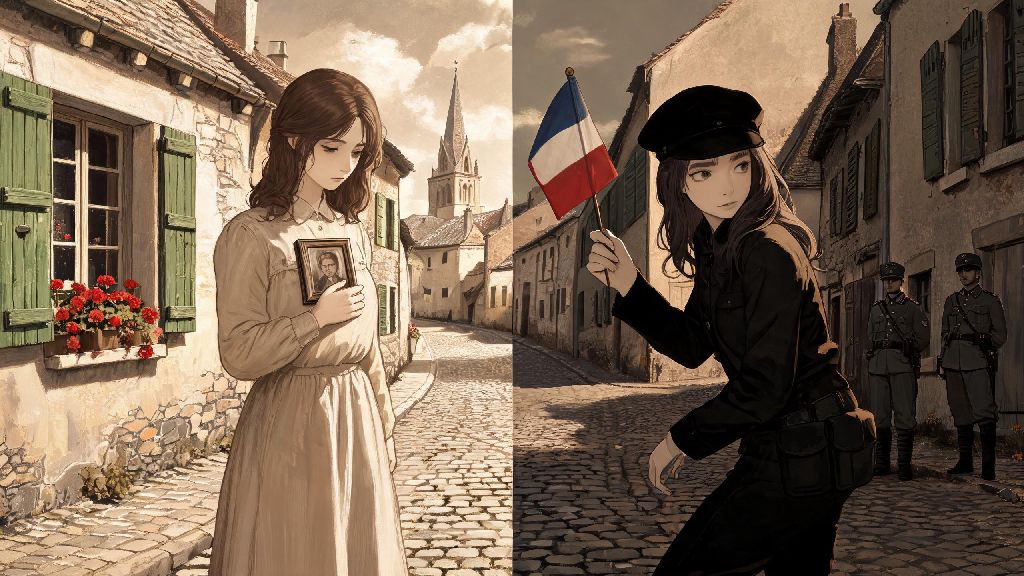
If you’ve ever closed the cover of The Nightingale after reading the final page with puffy eyes and a chest full of conflicting hope and grief, you’ve probably asked one question more than any other: is Nightingale book a true story? Kristin Hannah’s sweeping WWII novel about two French sisters fighting for survival and resistance against Nazi occupation has sold over 4.5 million copies worldwide, and its deeply human, raw portrayal of wartime life feels so tangible it’s easy to assume every character and event actually happened. I first picked up the book on a rainy weekend three years ago, and I spent the next two days digging through WWII archives to separate fact from fiction after I finished it. This guide breaks down exactly what parts of the book are pulled from real history, what’s made up, and where Hannah got her unforgettable inspiration.
Is The Nightingale Book a True Story at Its Core?
The short answer is no, the specific story of Vianne Mauriac and her younger sister Isabelle Rossignol is not a true, documented account of two real French sisters during WWII. That doesn’t mean the story is entirely made up, though. Hannah drew heavily from thousands of real accounts of women who worked in the French resistance, risked their lives to smuggle downed Allied pilots across the border to Spain, and hid Jewish children from Nazi and Vichy government forces. Real-life female resistance fighters are the true heart of the novel, even if the specific characters Hannah wrote are fictional composites of these women. Many readers mistake the story for nonfiction because so many small, specific details are pulled directly from firsthand diaries and oral histories of French women who lived through the occupation. For example, the rationing rules, the way Nazi soldiers were billeted in private French homes, and the quiet acts of rebellion many ordinary people took part in are all 100% historically accurate.
Real WWII Heroes That Inspired The Nightingale’s Main Characters
While Vianne and Isabelle are not real people, they are heavily inspired by a real resistance fighter named Andrée de Jongh, a 24-year-old Belgian woman who created the Comet Line escape network during the war. The "Nightingale" of the real French resistance, de Jongh helped smuggle more than 400 downed Allied pilots across the Pyrenees mountains into neutral Spain over the course of the war, risking execution every time she made the crossing. She was arrested multiple times, survived several concentration camps, and was awarded the Medal of Freedom from the United States for her work after the war ended. Hannah has spoken publicly about reading de Jongh’s biography and immediately knowing she wanted to write a story centered on women like her, who are often left out of mainstream WWII narratives that focus solely on male soldiers. Vianne’s arc, which centers on hiding Jewish children from deportation, is also inspired by hundreds of ordinary French women who took in foster children to keep them from being sent to concentration camps. Many of these women never spoke about their work after the war, so their stories remained largely unknown for decades.
Fictional Plot Points Kristin Hannah Added for Narrative Flow
Hannah made several key changes to real history to make the story work as a cohesive novel, and it’s important to distinguish these additions from real events to avoid misremembering actual WWII history. The 1942 Jewish roundups in Paris that are referenced early in the book are entirely real, but the fictional small town of Carriveau where Vianne lives is not a real place in France. Hannah created it to give herself more flexibility with the plot, so she wouldn’t be tied to the specific events that happened in real small towns during the occupation. The specific conflict between Vianne and the Nazi officer billeted in her home is also entirely fictional, though that type of tense dynamic was extremely common for French women who lived alone during the war. Some readers have asked if the two sisters’ complicated relationship is based on a real pair, but Hannah has said their dynamic is entirely made up to explore two very different approaches to resistance: Isabelle’s loud, active public fight, and Vianne’s quiet, hidden work protecting vulnerable people. Both types of resistance were equally important, but they rarely get equal screen time in popular WWII media.
How to Separate Fact From Fiction in Popular Historical Novels
After I spent hours researching The Nightingale’s real background, I put together a simple set of rules I use every time I finish a historical novel that feels almost too real to be made up. These steps help you avoid mixing up fictional plot points with real history, and they often lead you to even more fascinating stories of real people who lived through the events described:
- Flip to the author’s note first before you start reading. Most historical fiction authors will explicitly state what parts of the story are real and what’s fictional, so you don’t have to guess later.
- Cross-reference official historical records for major events mentioned in the book. If a novel references a specific battle, law, or public event, a quick check of a reputable historical archive will confirm if it actually happened the way it’s described.
- Look for interviews with the author about their research process. Many authors share the real stories and people that inspired their work in post-release interviews, and these often add extra context to the book you just read.
You don’t have to do a deep research dive after every historical novel you read, of course. If you’re just reading for fun, it’s totally fine to enjoy the story without fact-checking every line. But if you’re curious about the real history behind a book like The Nightingale, these steps will help you find accurate, reliable information without falling for random fan theories you might find on social media. I’ve found that learning the real history behind a novel I love almost always makes me appreciate the story even more, because it reminds me how many ordinary people did extraordinary things during times of crisis.
At the end of the day, it doesn’t really matter if the answer to is Nightingale book a true story is a technical no. The emotions it evokes, the light it shines on overlooked female resistance fighters, and the reminder that ordinary people can stand up to oppression even when the odds are stacked against them are all just as real as any documented historical event. If you loved the book, take some time to look up the real women of the Comet Line and the French resistance — their stories are just as gripping, brave, and unforgettable as the story Hannah wrote. You might even find a new real-life hero to admire.