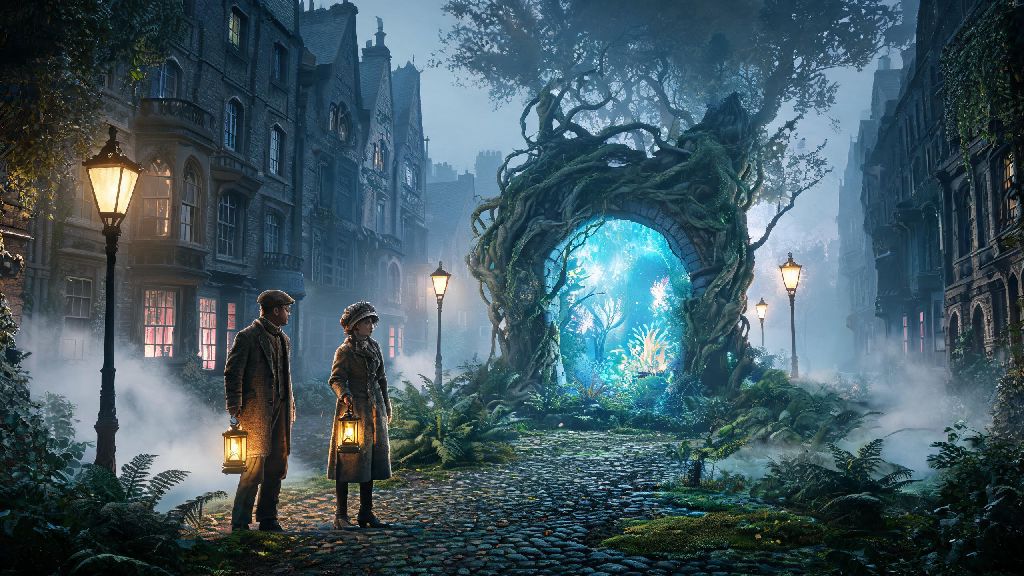
If you’ve spent any amount of time trekking through the misty Fae Realms in Nightingale, you’ve probably picked up on the distinct 19th-century vibe woven into every part of the world. From the tweed expedition gear your character wears to the gas lamps that light small survivor outposts and the occult-inspired portal tools you use to jump between realms, it feels rooted in a real time and place. It’s only natural to wonder how much of that vibe comes from real history, so is the Nightingale historically accurate? We’re breaking down the real historical and folklore references, the intentional creative liberties, and how the blend makes the game’s world feel so uniquely immersive.
Core Historical Inspirations That Ground Nightingale’s World
The game’s devs have openly shared that they drew heavily from 1890s Victorian Britain for the game’s baseline setting, and that comes through in dozens of small, easy-to-miss details. The Victorian spiritualism movement, which was at its peak in the 1880s and 1890s, is the core foundation for the game’s portal lore. Back then, upper- and middle-class Brits regularly hosted seances, attended ghost hunting demonstrations, and funded research into supernatural phenomena that most people would write off as fiction today.
You can also see real historical influence in the practical gear players use from the very start of the game. 19th century British expedition equipment was designed to be durable, versatile, and discreet enough for long trips through uncharted territory, which is exactly what you get with the game’s starting satchels, walking sticks, and layered clothing. Even the practice of collecting plant and creature specimens to study, a core part of the game’s crafting loop, matches the real obsession with naturalism that drove most Victorian expeditions.
How Historically Accurate Is Nightingale, Exactly?
First, it’s important to note that the devs never set out to make a 1:1 historical simulation. The game is first and foremost a fantasy survival title, so there are plenty of intentional liberties taken to make the gameplay fun and the world feel magical. That said, there are far more accurate historical details scattered throughout the game than most players realize on their first playthrough.
Some of the most notable accurate details include:
Of course, there are just as many details that are not historically accurate at all. The Fae Realms themselves, the magical creatures that roam them, and the reality-bending powers of the fae are all fantasy elements, though they do draw from real folklore. The game also leans away from the more harmful parts of Victorian colonial history, reframing the player as a survivor escaping a collapsed world rather than an invader looking to conquer new lands. That’s an intentional choice to keep the game’s tone light and adventurous without glorifying a very dark part of real world history.
Fae Lore Influences That Blend With Historical Context
Many players write off the fae elements as pure fantasy, but even these parts of the game are rooted in widely circulated beliefs from the era the game is set in. Traditional British fae folklore was still a common part of cultural knowledge in 1890s Britain, especially in rural communities, and many of the rules you learn to follow in the Fae Realms come directly from those old tales.
For example, you’ll quickly learn that you shouldn’t eat food given to you by fae, you shouldn’t share your full name with them, and you should always be careful making deals with powerful realm inhabitants. All of those rules come from folk tales that were shared for hundreds of years before the game’s setting, and they were still being printed in popular story collections in the 1890s. That means the average Victorian person would have recognized those rules just as easily as modern players do after a few hours of playing the game.
Even the types of fae you encounter across the realms pull from specific folk tales, not just generic fantasy tropes. The towering, mischievous giants and small, tricky household fae you find in low-level realms are direct references to folk figures that were widely talked about across the UK at the time. It’s a small touch, but it makes the blend of history and fantasy feel far more intentional and cohesive than it does in most other survival games.
Why The Blend Of History And Fantasy Works For Nightingale
A lot of players who ask about historical accuracy assume that more accuracy is always better, but that’s not the case for this type of game. If Nightingale was 100% historically accurate, it would just be a Victorian survival simulator set in the real world, with no portals, no fae, and no magical twists that make exploring feel exciting. If it had no historical grounding at all, it would feel like every other generic fantasy survival game on the market.
The immersive worldbuilding balance the devs landed on works because it gives you enough familiar, real-world context to understand the characters, their motivations, and their gear right away, without tying them down to the boring or harmful parts of real Victorian history. I’ve spent over 40 hours playing the game so far, and I still find new small historical references every few sessions, from old spiritualist text snippets in lore notes to references to real 19th century explorer routes in NPC dialogue.
If you’re a history buff or a folklore fan, you’ll get a lot more out of the game if you take the time to read the small lore notes scattered across outposts and abandoned camps. You don’t need to know anything about Victorian history to enjoy the gameplay, of course, but the extra context makes the world feel far more lived-in and thought out than you might expect from a survival game. It also makes the occasional silly or over-the-top fantasy element feel more grounded, because it’s set against a backdrop that feels real enough to touch.
At the end of the day, asking is the Nightingale historically accurate misses the point a little, because the game uses history as a jumping off point, not a strict rulebook. You’ll find plenty of real, well-researched historical and folklore details scattered across the realms if you know where to look, and those details make the fantasy elements feel far more immersive than they would in a completely made up world. The liberties the devs took are almost all intentional, designed to make the game more fun, more inclusive, and more focused on adventure than on replicating a complicated and often dark period of real world history. If you haven’t gone looking for those small historical references on your playthroughs, it’s worth going back to check old lore notes the next time you log on.