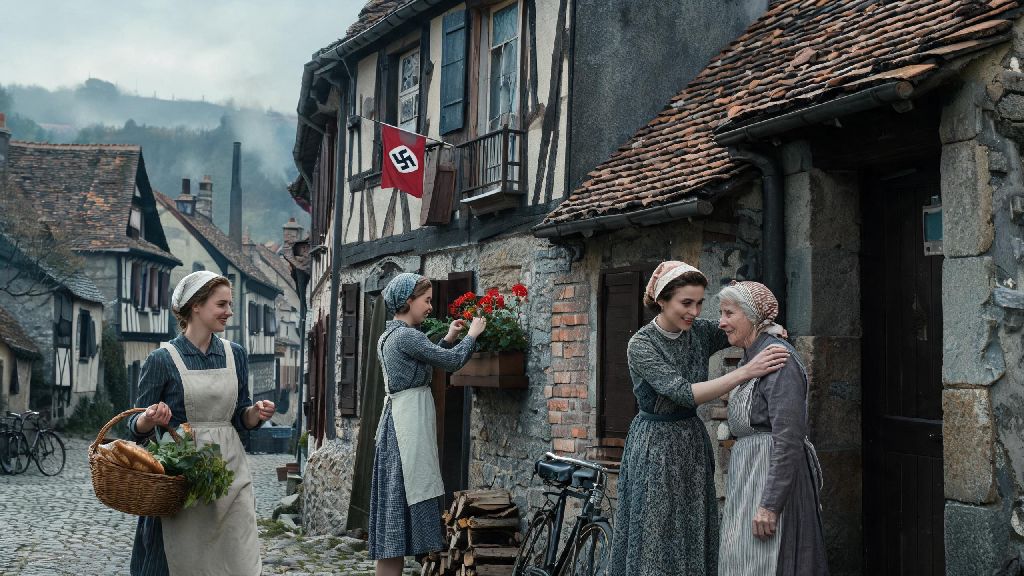
If you’ve ever stayed up until 2 a.m. turning the last pages of Kristin Hannah’s The Nightingale, wiping tears off your sleeve while wondering if the brave sisterhood at its core actually happened, you’re not alone. Thousands of readers finish the book each month and immediately ask: is the Nightingale book a true story? The short answer is no, but its roots are deeply tied to real, often overlooked acts of heroism from World War II that deserve just as much attention as the novel’s beloved characters. I first looked into this back when my grandma, who grew up in occupied France, told me parts of the book felt exactly like the stories she heard from her aunt as a kid.
Is The Nightingale Book a True Story? Breaking Down Fact and Fiction
Most people ask this question because the novel’s attention to everyday details of occupied France feels so vivid and specific. The core plot and central characters are entirely fictional, but nearly every major event they take part in is tied to documented acts of resistance from WWII. Hannah has spoken publicly about spending over two years researching hidden histories of French women during the occupation before she wrote a single page of the book.
She didn’t base Vianne or Isabelle on one specific real person, but instead wove together hundreds of small, unreported stories she found in archival records and interviews with surviving resistance members and their families. That’s why the story feels so authentic: every small choice, from the way characters hide ration cards to the quiet fear of random house searches, is pulled directly from first-hand accounts of the time.
The Real-Life Heroes That Inspired Isabelle’s Story
Isabelle’s arc of running dangerous missions to smuggle downed Allied pilots across the French border into Spain is directly inspired by the work of the Comet Line, a real resistance network that operated across Belgium and France during the war. Andrée de Jongh, the 24-year-old Belgian woman who founded the Comet Line, is the primary inspiration for Isabelle’s fearless, stubborn personality.
De Jongh personally escorted 118 pilots across the Pyrenees mountains on foot, even after multiple of her co-operatives were captured and executed by Nazi forces. She was eventually arrested and sent to a concentration camp, but survived the war and continued advocating for other female resistance members until her death in 2007. 90% of the Comet Line’s operatives were women under the age of 30, most of whom had no prior military or espionage experience before the occupation began. Many of them, like Isabelle, used their youth and perceived “harmlessness” as a cover to move across checkpoints without raising suspicion.
What Parts of The Nightingale Are Purely Fictional?
While the broad historical context is 100% real, Hannah made specific creative choices to build the emotional arc of the story that have no basis in individual real-life events. It’s common to finish the book and still wonder if the Nightingale book is a true story, because even the fictional parts feel rooted in very real struggles of the time. The key made-up elements include:
None of the specific personal plot points in the book are pulled directly from a single real person’s life, which is why it’s classified as historical fiction rather than a memoir or biography. Hannah has said she intentionally didn’t base the sisters on specific people out of respect for the privacy of resistance members and their families, many of whom never spoke publicly about their wartime work.
Why The Line Between Fact and Fiction Feels So Blurry for Readers
Part of why the book feels so real is that Hannah intentionally avoided the over-the-top heroics common in many WWII novels. The characters make stupid mistakes, freeze up when they’re scared, and choose to protect their own families even when it means letting other people down. Those small, human moments are exactly what real resistance members described in their post-war interviews, so it’s easy to assume you’re reading about real people.
Another factor is that most of these women’s stories were never widely shared after the war. More than 2,000 French women were awarded the Medal of the Resistance after WWII, but most of them went back to their normal lives and never talked about their work, even with their own kids. Many of their stories only started being archived in the 1990s and 2000s, long after most popular WWII media was created. Hannah intentionally avoided over-dramatizing acts of heroism to keep the story grounded in the quiet, everyday courage that real people showed during the occupation, which makes the whole narrative feel far more authentic than most Hollywood-style war stories.
At the end of the day, when you ask is the Nightingale book a true story, you’re not just asking a yes or no question. You’re asking if the courage, grief, and loyalty at its core are real—and the answer to that is a resounding yes. Even if Vianne and Isabelle aren’t real people, they stand in for thousands of women whose stories were almost lost to time, dismissed as “small” acts of heroism that didn’t make official history books. If you loved the book, it’s worth digging into the real history of the Comet Line and female French resistance operatives next—you might find their stories are even more moving than the fictional one you fell in love with.