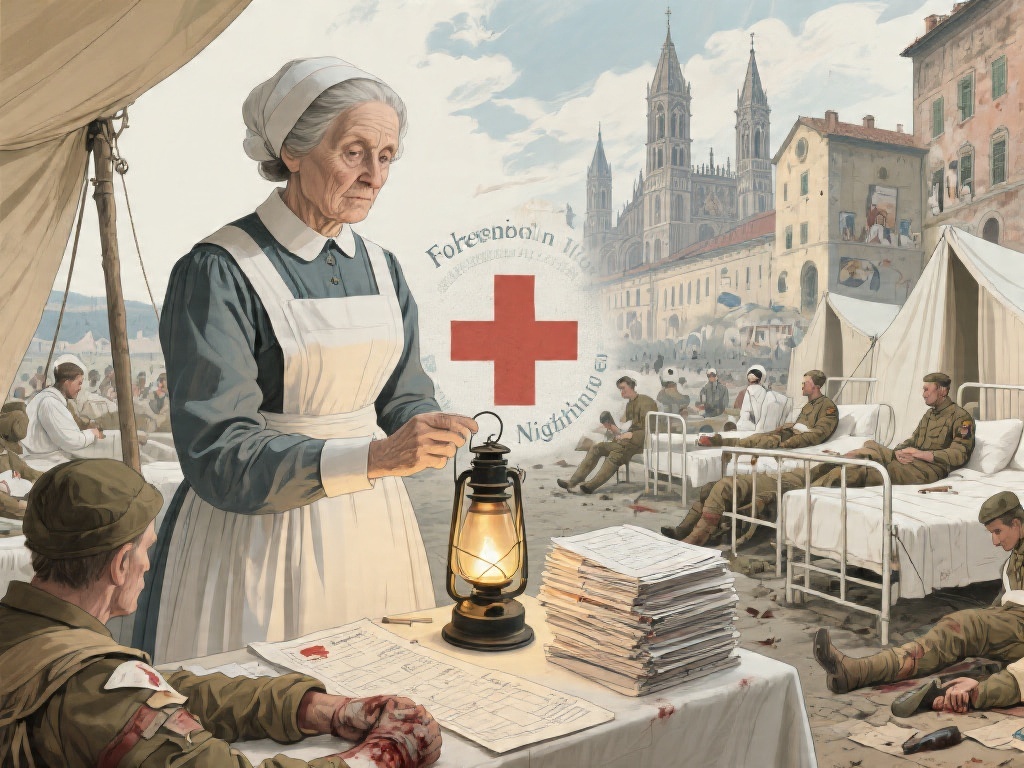
Florence Nightingale is one of the most recognizable historical figures for costume events, school presentations, and living history exhibits. Most people know her as the Lady with the Lamp, the pioneer of modern nursing who transformed healthcare for soldiers during the Crimean War. But far too many costume interpretations get her actual wardrobe wrong, leaning into fictional frilly nurse uniforms that never existed during her lifetime. If you’ve ever wondered how to dress like Florence Nightingale while staying true to her actual life and 19th century wardrobe, you’re in the right place.
Core Historical Pieces You Need to Dress Like Florence Nightingale
Florence’s on-duty wardrobe was designed for function first, not fashion. Field hospital conditions in the Crimea were cold, dirty, and chaotic, so all pieces were chosen to hold up to heavy use, hide stains, and meet the strict hygiene rules she implemented for her nursing team. She avoided decorative details, bright colors, and any clothing that would get in the way of her work. These are the non-negotiable pieces you’ll need for an accurate look:
- A plain, dark wool or cotton dress in navy, gray, or dark brown, with a high neckline, long sleeves, and a floor-length hem. No patterns, lace, or bright colors were allowed for nurses working in field hospitals at the time, and Florence specifically chose dark hues to hide dirt and blood stains from long shifts.
- A white apron that covers the front of the dress from chest to ankle, with a simple tie at the back. For more formal events or portrait-inspired looks, you can add a small frill along the top edge, but plain cotton works for most casual costume uses. The apron was meant to be easily washed and replaced if it got too soiled during shifts.
- A white linen cap that covers all of your hair, with a short brim or no brim at all. Florence often wore a simple version tied under the chin, without the elaborate frills later Victorian nurse uniforms adopted. The cap kept hair out of medical supplies and reduced the spread of germs, a key part of her hygiene protocols.
- Thick black leather boots with a low heel, and thick cotton or wool stockings in black or dark gray. You don’t need fancy period shoes; plain black work boots will pass for most audiences if you don’t want to splurge on specialty historical footwear. The low heels made it easy to walk across uneven hospital floors for 12+ hour shifts.
Many generic Florence Nightingale costumes use bright white dresses, but that’s a myth created by 20th century marketing and fictional illustrations. She never wore white on duty, because it showed every stain and was impractical for the messy hospital environment. If you only make one change to a pre-purchased costume, swap the white dress for a dark one to make it far more accurate.
Budget-Friendly Swaps for a Last-Minute Outfit
You don’t need to spend hundreds of dollars on a custom historical costume to pull off a great look. Most of the core pieces can be found at local thrift stores, or even made from items you already have at home. This is perfect if you’re putting together an outfit a few days before a party or school project, and don’t have time to order specialty pieces online.
For the dress, look for a plain long-sleeved maxi dress in dark navy or gray, no patterns. If the neckline is too low, you can wear a plain white turtleneck under it, or sew a small scrap of white fabric to the neckline to make it higher. If you can’t find a long enough dress, a matching dark long-sleeved blouse and maxi skirt works just as well. I once put together this costume for a high school history fair for $12 total, using a thrifted navy maxi dress, an old kitchen apron, and a white bandana, and no one noticed the pieces weren’t custom historical items.
The apron can be made from a plain white bed sheet cut to size, or even a large white kitchen towel tied around your waist and neck. If you don’t have a bandana for the cap, you can use a plain white pillowcase cut to fit, tied under the chin. For shoes, any plain black closed-toe shoes you already own work, as long as they don’t have obvious modern details like big logos or neon soles. If you have visible zippers on the front of your dress, just cover them with the apron, and no one will be able to tell.
Accurate Accessories to Elevate Your Look
Small details make a big difference when you’re putting together a historically accurate outfit, but it’s easy to add incorrect accessories if you don’t know what to look for. Stick to these simple, period-appropriate additions to make your costume stand out from generic nurse costumes, without spending a lot of extra money.
Florence almost always carried a small leather satchel that held her medical notes, dried herbs, and small medical tools like scissors and bandages. You can add a plain brown or black leather crossbody bag to replicate this, no fancy hardware needed. If you want to add an extra fun touch, tuck a few handwritten notes with medical facts from the 1850s inside the bag to show people if they ask about your costume.
If you want to reference her famous "Lady with the Lamp" nickname, carry a small, plain metal oil lamp (battery operated for safety, especially if you’re wearing the costume to an indoor event). Skip the fancy decorative glass lamps; she used a simple, functional metal lamp for her rounds at night, so the plainer the better. Skip any red cross symbols entirely, because the International Red Cross wasn’t founded until 1863, years after Florence worked in the Crimea, so adding that is a big historical error. A lot of generic nurse costumes add red crosses, so removing that is an easy way to make your outfit more accurate.
For makeup, stick to a natural, no-makeup look. Florence wore very little, if any, makeup while working, so heavy eyeshadow or bright lipstick will feel out of place. If you’re doing a formal portrait look instead of a duty look, you can add a small black wool shawl draped over your shoulders, which she wore in many of her official photos taken later in life.
Tips for Adapting the Look for Different Occasions
You don’t have to stick to 100% historical accuracy for every event, and there are easy ways to adjust the costume to fit different settings while still honoring Florence’s legacy. The key is to be clear about what’s a historical detail and what’s a fun modern addition, especially if you’re wearing the costume for an educational event.
If you’re wearing the costume to a Halloween party, you can add small fun details like a tiny lamp keychain or a pin with her name on it, as long as you keep the core dark dress, apron, and cap intact so people recognize who you are. So skip the shortened hemlines or frilly lace details that are common in sexy nurse costumes; those are not only historically inaccurate, but also disrespectful to Florence’s legacy as a pioneer of public health and nursing.
If you’re wearing it for a school presentation or living history event, you should stick as close to the historical details as possible. Memorize a few fun facts about her work, like how she reduced mortality rates in Crimean hospitals by two thirds by implementing strict hygiene rules, to share with people who ask about your costume. If you’re making the costume for a child, swap heavy wool for lighter cotton to keep them comfortable, and use a plastic battery-operated lamp instead of a glass one for safety.
If you’re wearing it for a costume contest, small details like handwritten medical notes in your satchel or a real wool dress will help you stand out from people who bought generic pre-made costumes. You can even add a small replica of the statistical graphics she invented to track public health data, to show off the lesser-known parts of her career as a data pioneer.
At the end of the day, the best part of learning how to dress like Florence Nightingale is that you don’t need to spend a lot of money or have advanced sewing skills to pull off a recognizable, respectful look. Whether you’re dressing up for a school project, Halloween, or a living history event, focusing on practical, plain pieces that match what she actually wore will make your outfit stand out from generic costume options. You don’t have to get every single detail perfect, but sticking to the core historical facts will help you honor her legacy while having fun with the costume.