If you’ve landed on this page, you’re probably working on a 2026 school history project, starting your first semester of nursing school, or just curious about one of the most famous names in medical history. It’s one of the most common search queries for nursing history content: how old is florence nightingale now. Many people don’t realize she passed away over a century ago, but her impact on modern healthcare is still felt every single day in hospitals, clinics, and community health settings around the world. We’re breaking down everything you need to know about her age, her work, and why she still matters this year.
How Old Is Florence Nightingale Now in 2026?
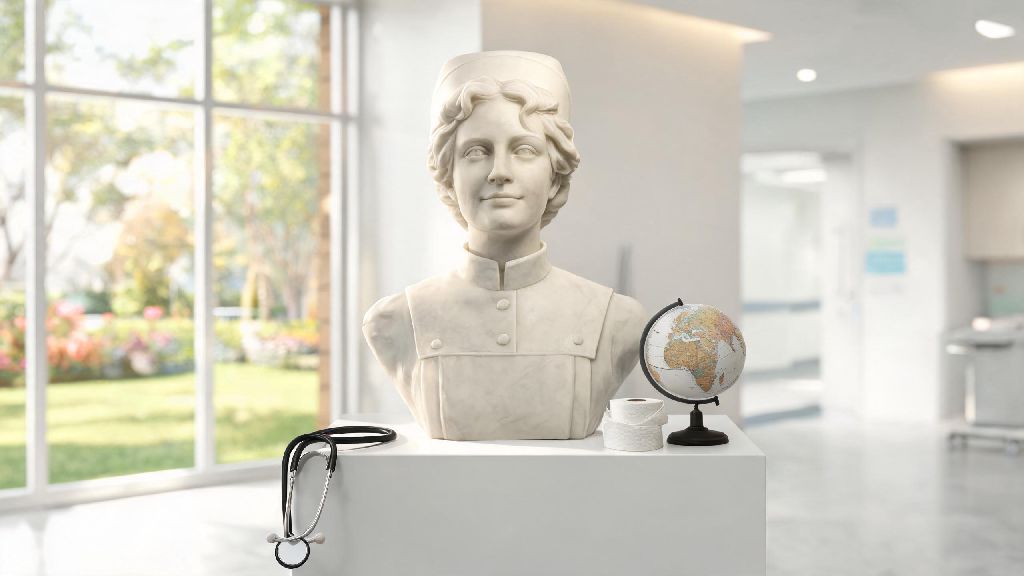
Let’s start with the direct answer first, since that’s what most people come here for. Florence Nightingale was born on May 12, 1820, so if she were still alive in 2026, she would turn 206 years old on her birthday. She passed away on August 13, 1910, at the age of 90, after spending decades pushing for systemic changes to healthcare and public health policy. It’s not silly to search for her current age, either—hundreds of people ask this question every month in 2026, most of them students who only know her as the “Lady with the Lamp” from basic history lessons.
A lot of people also don’t know that she lived most of her adult life with a chronic illness she contracted during her time working in the Crimean War. Even when she was bedridden for nearly 30 years, she kept writing letters, meeting with policymakers, and publishing research that changed how entire countries approached public health. Her 90 years of life were packed with more actionable change than most people could fit in multiple lifetimes, which is why her legacy has lasted so long.
Why Florence Nightingale’s Age Still Matters in 2026
You might be wondering why anyone cares how old a historical figure would be in 2026, but her age is actually a great reminder of just how new modern nursing as a profession really is. Before she started her work, nursing was seen as a low-status job, usually done by unskilled workers with no formal training. She completely changed that perception, and built the foundation for every nursing program that exists today.
Even in 2026, nearly every part of modern patient care traces back to the systems she created. Here are just a few of her contributions that are still in regular use this year:
Her birthday, May 12, is still celebrated as International Nurses Day across the world, and 2026 will see special events in over 120 countries to honor her contributions. Many 2026 nursing school graduation ceremonies still include a version of the Nightingale Pledge, a modified Hippocratic Oath specifically for nursing professionals.
Common Misconceptions About Florence Nightingale in 2026
For someone so famous, there are a lot of wrong facts floating around about Florence Nightingale online in 2026. The most common one is that she was just a kind woman who carried a lamp around to check on wounded soldiers. That’s true, but it’s only a tiny part of her story, and it erases most of the work that made her such an important figure.
She was actually the first female member of the Royal Statistical Society, and she was far more famous in her lifetime for her data analysis and policy work than for her direct patient care. A lot of people also think she only worked in the Crimean War for a few years and then retired, but she spent almost 50 years after the war pushing for changes to hospital design, military healthcare, and even public health systems in colonial India. She wrote over 200 books, pamphlets, and reports during her career, many of which are still referenced by public health researchers in 2026.
Another common myth is that she was opposed to women working in medicine beyond nursing roles. That’s completely false—she actively supported female doctors and pushed for medical schools to accept female students at a time when almost no one else did. She didn’t only want to improve nursing; she wanted to make the entire medical field more accessible to women and more focused on patient well-being.
How to Honor Florence Nightingale’s Legacy in 2026
You don’t have to be a nurse or a history student to honor Florence Nightingale’s work this year. Her legacy is all about making healthcare more accessible, safer, and more compassionate for everyone, and there are small, easy ways you can support that mission in 2026.
If you are a nursing student or working nurse, you can participate in local International Nurses Day events on May 12, or volunteer with local community health programs to provide free care for low-income families. You can also pick up a copy of her original Notes on Nursing—most of the advice in it is still perfectly applicable to home care, even in 2026. You might be shocked at how many common sense care tips we take for granted first appeared in that book over 160 years ago.
If you’re not in the medical field, the easiest way to honor her legacy is to be kind to the nursing staff you interact with, and to follow basic public health guidelines to reduce strain on your local healthcare system. You can also donate to local nursing scholarship funds, or support organizations that push for better working conditions for nurses, who are still facing understaffing and burnout crises in 2026. Even a small “thank you” to a nurse you know goes a long way toward respecting the profession she worked so hard to build.
Whether you were searching for a simple answer for a school assignment, or you wanted to learn more about the woman who built modern nursing, it’s easy to see why so many people are curious about how old is florence nightingale now in 2026. She packed more change into her 90 years of life than most people could ever imagine, and her work still keeps millions of people safe and healthy every single year. Even 206 years after her birth, her legacy is still growing, and her ideas are still shaping the future of healthcare around the world.