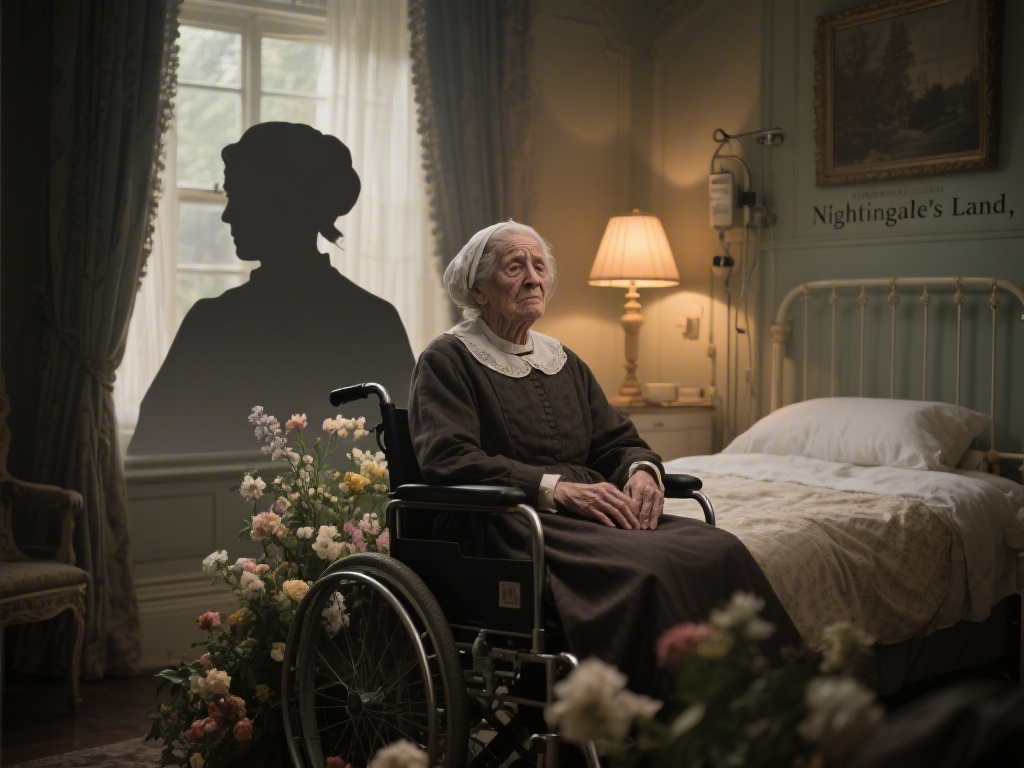
Most of us learn the basics of Florence Nightingale’s life in grade school: she’s the Lady with the Lamp, the founder of modern nursing, who revolutionized medical care for soldiers during the Crimean War. But far fewer people know about the tiny, feathered companion that was by her side for years during her early career. If you’re wondering did florence nightingale have a pet owl, you’re not alone – this is one of the most common trivia questions about the famous nurse, and the answer is far more charming than you might expect. I’ve spent years digging through lesser-known Victorian historical records for my history blog, and this story remains one of my favorite examples of how small, personal moments shape world-changing figures.
Did Florence Nightingale Have a Pet Owl? Confirming the Historical Record
For decades, many historians wrote off the story of Nightingale’s pet owl as a cutesy piece of folklore made up to humanize the famously serious nurse. Most official biographies focused exclusively on her professional work, and mentions of a pet owl were dismissed as unsubstantiated rumor. That all changed in the 1980s, when the Nightingale family’s private archive of letters, journals, and personal documents was opened to academic researchers for the first time. Primary source records from the Nightingale family archive include dozens of references to the owl, from offhand mentions in letters to her sister to detailed journal entries about the bird’s health and antics.
Even close friends of Nightingale wrote about the owl in their own personal diaries, so there’s no room for debate about whether the story is true. It’s surprisingly common for small, personal details about famous historical figures to get lost over time, especially when most accounts prioritize their professional achievements over their private lives. This story is a great reminder that even the most iconic figures had silly, mundane, and deeply sweet moments that never make it into standard history textbooks.
The Story of Athena, Nightingale's Beloved Owl Companion
Nightingale first met her owl companion in 1850, during a trip to Athens, Greece, where she was traveling to study local public health systems as part of her nursing training. She was exploring the ruins of the Parthenon when she spotted a group of young boys harassing a tiny baby owl that had fallen out of its nest in the temple ruins. The owl had a small injury to its leg from the fall, and the boys were throwing rocks at it for fun. Nightingale stepped in immediately, paid the boys a small sum to leave the bird alone, and took the injured owlet back to her hotel to nurse it back to health.
She named the owl Athena, after the Greek goddess of wisdom whose symbol was an owl, and who was the patron of the city where she found the bird. Athena traveled with Nightingale across Europe for nearly 5 years, staying with her in London, Paris, Rome, and dozens of smaller towns as Nightingale continued her studies of nursing and public health. The owl quickly became her constant companion, and anyone who spent time with Nightingale during those years would have seen the small bird perched on her shoulder or tucked into the pocket of her coat.
There are dozens of small, charming details about Athena that show just how close she was to Nightingale:
- She learned to recognize Nightingale's footsteps and would greet her at the door of her lodgings by flapping her wings and making soft chirping noises
- She hated being left alone, so Nightingale often carried her in a specially sewn pocket in her coat when she went out to meetings or site visits
- She was known to nip the fingers of strangers who tried to pet her without permission, but was gentle with anyone Nightingale trusted, often falling asleep on the laps of her close friends
Athena had a permanent slight limp from the injury she sustained when she fell out of her nest, but that never stopped her from exploring every corner of whatever room Nightingale was staying in. She loved stealing crumbs off Nightingale’s plate at meal times, and her favorite snack was bread soaked in warm milk, which Nightingale would make for her every morning.
How Athena Influenced Nightingale's Work and Outlook
In the mid-1800s, most people viewed animals as little more than tools or decorative accessories, not as beings with their own feelings, preferences, and personalities. Nightingale was unusual for her time in that she cared deeply about animal welfare, and her experience raising Athena reinforced that belief long before animal rights were a mainstream concern. She often wrote in her journals that caring for the small, vulnerable owlet taught her lessons about care and compassion that she would carry with her for the rest of her career.
When Nightingale was preparing to leave for the Crimean War in 1854, where she would lead a team of 38 nurses to care for wounded British soldiers, she planned to bring Athena with her. She had a special travel cage made for the owl, and arranged for a member of her staff to be responsible for her care during the long sea voyage to Turkey. But in the chaos of packing and coordinating with military officials in the weeks leading up to her departure, Athena got extremely stressed. She stopped eating, became lethargic, and got very sick, and a local vet was unable to help her recover. She died just three days before Nightingale was set to leave for Crimea.
Nightingale wrote in her journal that Athena's death made her even more committed to caring for vulnerable living beings, both human and animal. She wrote that caring for the small, hurt owl had taught her that even the most helpless creatures deserve patience, clean surroundings, and gentle care – lessons she would bring with her to the squalid military hospitals in Crimea. She often told her nurses that if they could be kind to a scared, hurt animal, they could be kind to a scared, hurt soldier, and that the same rules of care applied to both. Some historians even believe her notes on Athena’s diet and recovery routine helped shape her early guidelines for patient nutrition, which were revolutionary for the time.
Common Myths About Nightingale's Pet Owl Debunked
As the story of Athena has spread over the years, a lot of misinformation has popped up along the way, mostly from fictionalized accounts of Nightingale’s life written for children or popular media. If you’ve heard wild stories about Nightingale’s owl, there’s a good chance they’re not entirely true. First, the most common myth is that Athena traveled with Nightingale to Crimea, and perched on her lamp as she made her nightly rounds of the military hospital wards. That story started in a 1940s children’s book about Nightingale, which added the owl to the Crimean scenes to make the story more engaging for young readers, but it has no basis in historical fact.
Another common myth is that Nightingale kept a whole flock of pet owls at her London home for most of her life. That’s also not true – Athena was her only pet owl, though she did keep several rescue cats later in her life when she was housebound due to chronic illness. She never adopted another owl after Athena died, writing in a letter to her sister that “no other bird could ever take her place.” A third myth claims that the owl was the official symbol of the first nursing school Nightingale founded in London in 1860. The school actually used a lamp as its official symbol, and the association between Nightingale and owls only became common much later, as more people learned the story of Athena.
Most misinformation about Athena comes from 20th century fictionalized biographies of Nightingale that were written for entertainment rather than historical accuracy. Always cross-reference claims about historical figures with primary source records if you want accurate information, especially when the claims sound too fun or dramatic to be true. So many small details about famous people get changed or exaggerated over time, and it’s easy for fake facts to spread if no one takes the time to check the original records.
So next time someone asks you did florence nightingale have a pet owl, you can not only give them a clear yes, but also share the sweet, little-known story of Athena, the scruffy little owlet that shaped one of the most important figures in modern medicine. It’s easy to think of historical icons as one-dimensional, defined only by their biggest achievements, but stories like this remind us that they were real people with small, beloved pets, silly daily mishaps, and quiet moments of grief and joy that shaped how they showed up in the world. This story isn’t just a fun piece of trivia – it’s a reminder that small acts of kindness, even to a tiny hurt bird, can have ripple effects that change the world for the better.