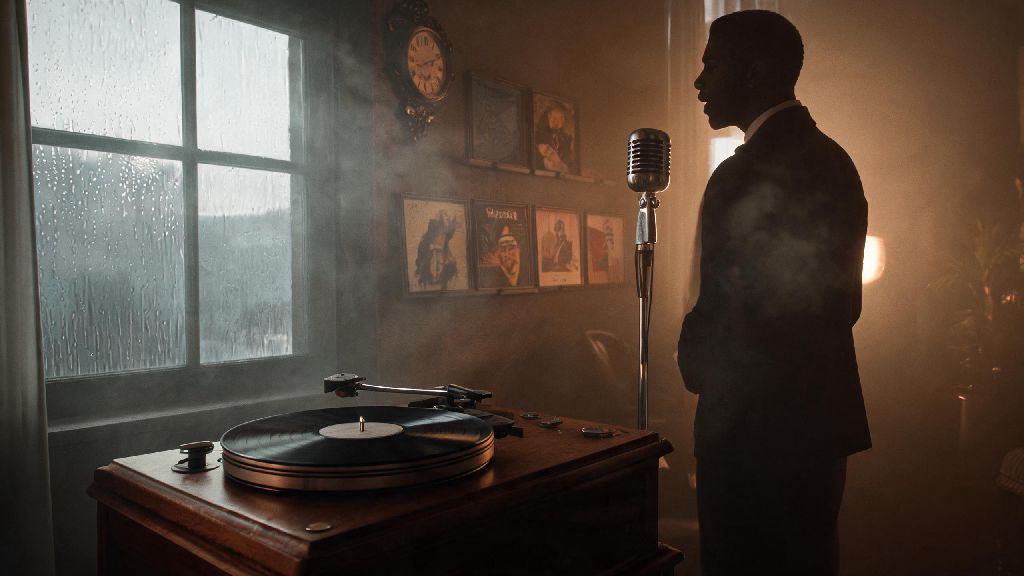
If you’ve ever dug into mid-20th century jazz vocal classics, you’ve almost certainly stumbled on A Nightingale Sang in Berkeley Square by Nat King Cole. I first heard it on a rainy Sunday afternoon when my grandma pulled out her scratchy old vinyl collection, and the warm, smooth tone of Cole’s voice stopped me mid-sentence mid-conversation with my cousin. It’s one of those tracks that feels both timeless and deeply specific, like a little time capsule of a moment when music felt slower, more intentional, and focused on telling a quiet, beautiful story. I’ve spent years collecting different versions of this standard, and Cole’s recording still stands out as one of the very best ever made.
What Makes Nat King Cole’s A Nightingale Sang in Berkeley Square Stand Out
Most people don’t realize the song was first written in 1939 by British writers Eric Maschwitz and Manning Sherwin, and it was originally performed with a full big band arrangement that leaned into its whimsical, romantic tone. When Cole recorded his version in 1961, he scrapped the loud brass and sweeping strings entirely, leaning into the small trio setup he’d built his early career on. Cole’s signature velvet baritone takes center stage on this recording, with only a soft piano, standup bass, and gentle brush drums backing him up. That stripped back approach lets the lyrical story shine through. The song tells the tale of a perfect, fleeting romantic encounter in London’s Berkeley Square, with the mythical touch of a nightingale singing overhead, even though nightingales almost never nest in central London. Cole delivers each line with a soft, warm sincerity that makes you feel like he’s telling you a story from his own life, not just reciting lyrics someone else wrote.
The Hidden Backstory of the Song’s Original Creation
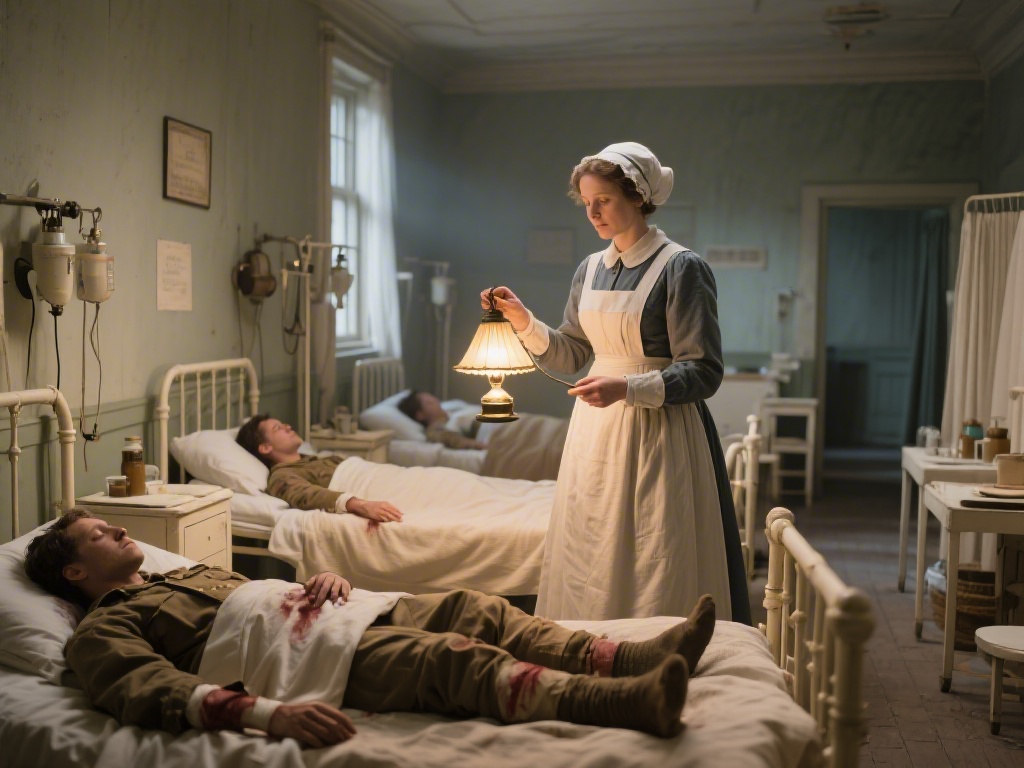
Maschwitz wrote the lyrics while sitting in a small London cafe, right after he returned from a trip to Paris where he’d had a short, intense romantic fling he couldn’t stop thinking about. He later said he wrote the whole first verse in 10 minutes, scribbling it on a napkin while he waited for his coffee. The song became an unexpected hit during WWII, when British soldiers stationed overseas would request it on radio shows to feel closer to home and the quiet, peaceful moments they dreamed of returning to after the war. At the height of the Blitz, many Londoners would play the song in bomb shelters as a small reminder of the beauty waiting for them once the fighting ended. By the time Nat King Cole recorded his version two decades later, the song was already a beloved standard across the UK, but it was barely known to mainstream American audiences. Cole’s cross-Atlantic fame turned it into a global hit, introducing the tender story to millions of people who had never even stepped foot in London.
Easy Tips for Getting the Most Out of This Classic Recording
If you’re listening to this track for the first time, it’s easy to put it on as background music and miss the tiny, intentional details that make it so special. I’ve listened to it hundreds of times, and I still pick up new little flourishes every few plays. These small tips will help you catch all the magic the first time around:
The Cultural Legacy of Cole’s Recording Today
Cole’s version of the song has been used in dozens of movies and TV shows over the years, from 1990s romantic comedies to modern period dramas set in the 1960s. In 2022, it was added to the US Library of Congress’ National Recording Registry, which honors recordings that are “culturally, historically, or aesthetically significant” and deserve to be preserved for future generations. It’s one of only a handful of jazz vocal recordings from that era that still gets regular airplay on oldies and jazz stations across the world, 60+ years after it was recorded. I recently saw a 22-year-old jazz singer perform it at a small basement club in Brooklyn, and she introduced it by saying she learned it from her grandpa, who had owned Cole’s original vinyl record for decades. That cross-generational appeal is rare for any piece of music, especially a jazz standard that’s been covered by hundreds of artists over the years. Many fans say it’s the first Cole track they ever heard, and it’s often the gateway that leads them to explore his full discography of over 100 albums and singles. Even the surviving family of the original songwriters have called Cole’s version their favorite, saying he captured the soft, dreamy tone they had in mind when they first wrote the song.
At the end of the day, there's a reason A Nightingale Sang in Berkeley Square by Nat King Cole has stayed relevant for so long. It's not just a well-performed jazz standard, it's a little piece of joy that feels as warm and special today as it did when it was first recorded. Whether you're listening for the first time or the hundredth, it's the kind of track that can slow down a busy day, make you smile, and remind you of the small, perfect moments that make life worth living. If you haven't given it a full, focused listen lately, carve out three minutes of quiet today – you won't regret it.