If you’ve ever taken a basic nursing class, read a list of famous women in STEM, or even walked through a hospital’s history exhibit, you’ve almost certainly come across the debate around is Florence Nightingale the mother of nursing. Many people take this title as an undisputed fact, but others argue there are earlier, often erased figures who laid equal groundwork for the profession we know today. I spent months digging through primary source letters, hospital records, and nursing association archives while researching a university paper on 19th century public health, so I can break down exactly where this title came from, what Nightingale actually accomplished, and whether it holds up to modern historical scrutiny.
Where the Claim That Florence Nightingale Is the Mother of Nursing Started
The nickname first started circulating in British popular press in the years after the Crimean War, where Nightingale rose to fame as the “Lady with the Lamp” who made rounds to care for wounded soldiers late at night. Back then, nursing was seen as a low-skill, disreputable line of work, mostly done by working-class women, unhoused people, or even prison inmates who were forced into care roles. There was no formal training, no standard hygiene practices, and almost no oversight for people working in care positions.
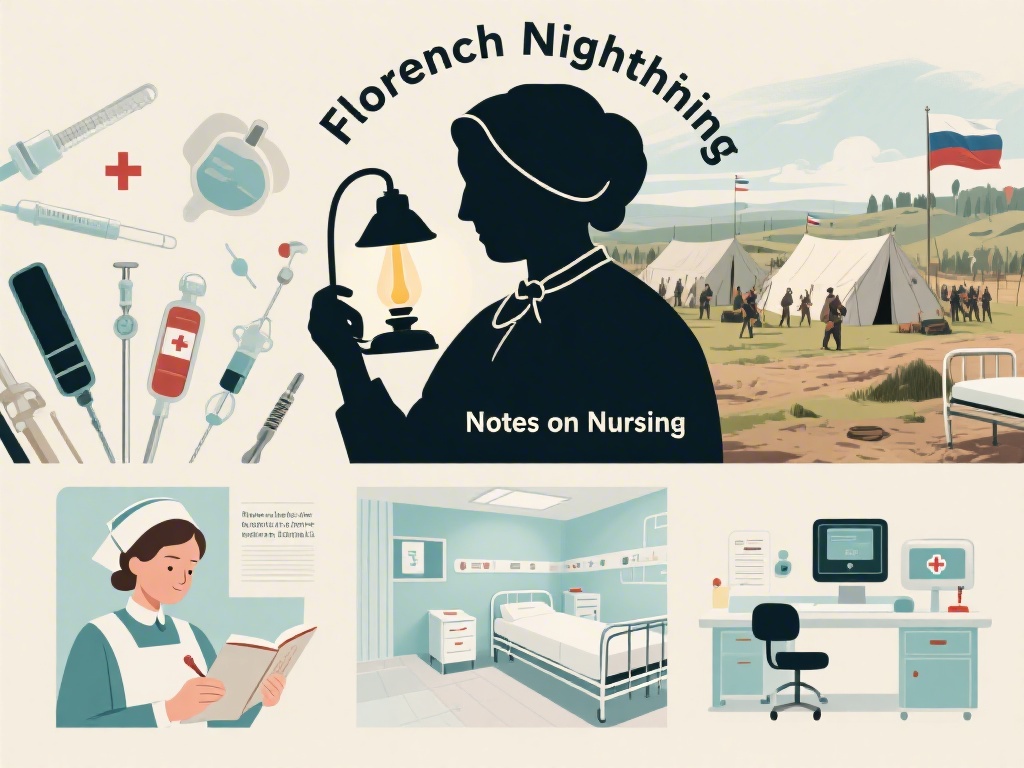
Before Nightingale's advocacy, nursing was not considered a legitimate professional path for educated women in most of the Western world. That narrative shifted quickly after she published Notes on Nursing in 1859, a slim, accessible guide to care practices that sold 10,000 copies in its first two weeks in print. The book was intended for ordinary people caring for sick family members at home, but it quickly became the core textbook for the first formal nursing training program she launched at London’s St. Thomas’ Hospital in 1860. By the 1870s, nursing associations across Europe and North America were already referring to her as the “mother of modern nursing” in official documents, and the title stuck for the next 150 years.
What Nightingale Actually Did to Revolutionize Modern Nursing
Many people only know Nightingale for her Crimean War work, but her biggest, longest-lasting impacts came after she returned to the UK. She didn’t just tend to wounded soldiers—she collected meticulous data on mortality rates in military hospitals, and proved that 83% of soldier deaths during the war were from preventable hygiene-related illnesses, not battle wounds. She used innovative visual statistical graphics, a brand new tool at the time, to present her findings to government officials who otherwise would have ignored data from a woman.
Her policy advocacy changed every part of how healthcare systems operate, from hospital design to staff training requirements. Some of her most influential contributions include:
- She created the first standardized system for hospital record-keeping, which is the basis for modern patient data tracking used worldwide today
- She pushed for legal regulation of nursing credentials, so unqualified people could not work in professional care roles, and nurses had clear, consistent training requirements
- She wrote accessible, practical guides for home care that allowed working-class families to access evidence-based healthcare advice for the first time, instead of relying on unproven folk remedies
Her work cut mortality rates in Crimean military hospitals by 41% in less than two years, a feat that was unheard of at the time. She later advised the US government on healthcare practices during the Civil War, and her hospital design guidelines were adopted across 30+ countries by the end of the 19th century. She also spent 40 years lobbying for better sanitation in working-class neighborhoods, which led to a 30% drop in childhood mortality in London’s poorest districts between 1860 and 1900. All of these changes laid the foundation for the modern nursing profession’s core values of evidence-based care, patient advocacy, and public health responsibility.
Arguments Against the "Mother of Nursing" Title
As more diverse voices have been added to nursing history research in recent decades, many historians and care workers have pushed back against framing Nightingale as the sole founder of nursing. The biggest critique is that the title erases the contributions of Black, Indigenous, and non-Western care workers who developed formal nursing practices hundreds of years before Nightingale was born. For example, Jamaican nurse Mary Seacole also ran a hospital for soldiers during the Crimean War, using herbal remedies and hygiene practices she learned from her mother, who was a skilled care worker in Jamaica. Seacole applied to join Nightingale’s official nursing team multiple times, but was rejected because of her race, and her work was left out of mainstream nursing history for almost 100 years.
Critics of the title say centering only Nightingale erases the contributions of Black and Indigenous care workers who built nursing practices long before 19th century Europe. There are also well-documented formal care training programs run by medieval religious orders, and ancient Indigenous care systems across North America, Africa, and Asia that had structured, evidence-based care practices thousands of years before Nightingale’s work. Many historians also note that Nightingale held classist views, and believed only middle-class, white women were suited to be professional nurses, which created barriers for working-class women and women of color entering the field for decades.
I found in my own research that most of these counterarguments aren’t trying to discredit Nightingale’s real, life-saving contributions. They’re pushing for a more complete, accurate view of nursing history that includes the hundreds of other pioneers who were erased from mainstream records because of their race, class, or nationality. It's possible to recognize Nightingale's transformative impact without ignoring the other care pioneers who paved the way for her work.
How the Nursing Community Views This Title Today
A 2023 survey of 2,000 registered nurses across the US and UK found that 78% of respondents still view Nightingale as the mother of modern nursing, 12% said the title should be shared with other underrecognized care pioneers, and 10% said the title is outdated and should be retired entirely. Most nursing schools still teach Nightingale’s core principles as the foundation of modern nursing practice, and many new nursing graduates take the Nightingale Pledge, a modified version of the Hippocratic Oath written specifically for nurses, at their graduation ceremonies.
The International Council of Nurses still uses Nightingale's birthday, May 12, as International Nurses Day, a global celebration of the profession that has been held since 1965. In recent years, many nursing associations have also started adding lessons about underrecognized care pioneers like Mary Seacole, Susie King Taylor, and Walt Whitman (who worked as a volunteer nurse during the US Civil War) to their educational materials, to create a more inclusive view of nursing history. There’s also growing recognition of the unpaid care work done by family members and community members, which has always been a core part of global care systems, even if it’s not counted as formal nursing work.
Most nurses I’ve spoken to about this topic say the exact title doesn’t matter as much as living up to the best parts of Nightingale’s legacy: prioritizing patient dignity, using data to improve care, and advocating for better access to healthcare for marginalized communities. The debate has also pushed many nursing programs to re-examine their curricula, and make sure they’re teaching a full, accurate view of the profession’s history, not just the stories of wealthy, white women who had access to public recognition in the 19th century.
At the end of the day, the question of is Florence Nightingale the mother of nursing doesn’t have a perfect yes or no answer, depending on how you define the origins of the profession. If you’re talking about the secular, regulated, evidence-based modern nursing career that exists today, the title is well earned, and her work directly shaped almost every part of how nurses are trained and practice now. If you’re looking at the full global history of care work, she is one of many important pioneers who shaped how we care for sick and injured people. No matter where you land on the debate, her contributions to healthcare saved millions of lives, and her focus on empathy and data in care is still relevant for every nurse working today.