Last spring, I spent three straight weekends wandering the edge of my local woodlands, phone on silent, ears pricked for a sound I’d only ever heard in old folk songs. I’d spent weeks researching when does the nightingale sing, and kept showing up too early in the day, or too late in the season, until a fellow birder gave me a few game-changing pointers. If you’ve ever chased that same rich, complex warble only to leave empty-handed, this guide breaks down exactly when you’re most likely to hear it, plus little-known facts about why nightingales sing in the first place.
When Does the Nightingale Sing Across Seasons and Times of Day?
Nightingales are migratory songbirds, so their singing schedule is tied directly to their breeding cycle in the regions they nest. For most populations in the Northern Hemisphere, singing starts in mid-April, when males first arrive at their breeding grounds, and tapers off completely by late June, once most pairs have finished nesting. Unpaired males sing far more frequently than paired males, so the first few weeks after arrival are the best window to catch extended song sessions.
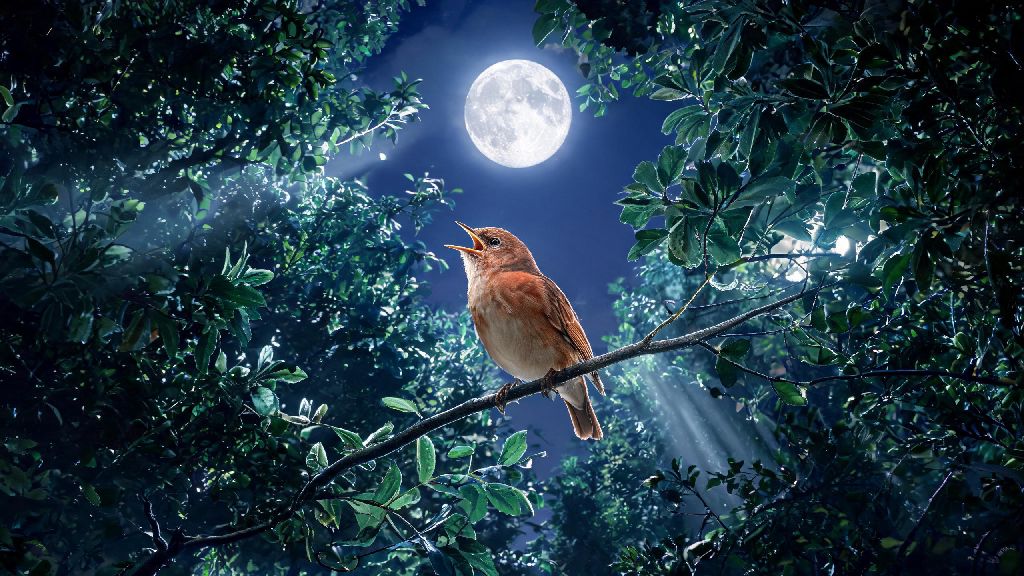
Contrary to popular belief, nightingales don’t only sing after dark. They’re most vocal during the dusk and dawn hours, when ambient noise levels are low and their songs can carry further across scrub and woodland edges. Unpaired males will also sing through the night to attract mates that may be migrating through the area, especially in mid to late May. Male nightingales can sing up to 1000 different song phrases, far more than most other songbird species, which helps them stand out to potential mates and establish territory against rival males.
If you’re wondering when does the nightingale sing in your specific region, you can check local wildlife trust records for average breeding season start dates in your area. Southern regions will see nightingales arrive and start singing 1 to 2 weeks earlier than northern regions with cooler spring temperatures.
Factors That Impact Nightingale Singing Patterns
Even if you show up at the right time of year and right time of day, certain conditions can stop nightingales from singing entirely. Their main goal when singing is to attract a mate and defend territory, so they won’t waste energy singing if conditions make it hard for their song to be heard, or if they feel threatened.
If you’re waiting for dusk to fall in a prime nightingale spot and have 10 or 15 minutes to kill before they’re likely to start singing, casual low-stakes games are a great way to pass the time without making too much noise. Many birders I know keep quick, low-effort mobile games downloaded for these lulls, and Rummy77 is a popular pick that doesn’t require loud sound effects or constant attention so you can still keep an ear out for the first warble.
Common factors that will prevent nightingales from singing include:
Avoid playing any audio with loud speakers when waiting for nightingales, as this can scare them off or disrupt their mating behavior. Even playing recorded nightingale songs to draw them out is strongly discouraged, as it can cause males to waste energy defending their territory from a non-existent rival.
Expert Tips to Hear Nightingales Sing in the Wild
You don’t need expensive birding gear to hear a nightingale sing, but a few small tweaks to your routine will drastically increase your chances of success. I’ve picked up these tips from years of birding trips, and they’ve helped me hear nightingales in 6 different regions across the UK and mainland Europe.
First, start with location research instead of wandering random woodlands. Nightingales prefer dense, low scrub, hedgerows, and the edges of deciduous woodlands, not deep, thick forest. Local birdwatching forums and social media groups are the best source of real-time sighting information, as other birders will share spots where nightingales have been heard singing recently.
Second, show up at least 30 minutes before dusk, and pick a spot at least 10 meters away from the scrub edge where nightingales are likely to be. Wear soft, dark clothing that doesn’t rustle when you move, and avoid wearing strong perfumes or scented products that might alert them to your presence. Sit still and quiet once you’re settled, and resist the urge to check your phone with the screen turned up bright, as sudden light can scare them off.
Never approach a nightingale you hear singing, as getting too close can cause them to abandon their territory entirely, which can ruin their chances of mating for the entire breeding season. Even if you can’t see them, sitting still and listening to their full song from a distance is a far more rewarding experience than scaring them away for a quick photo.
Common Myths About Nightingale Singing Debunked
There are dozens of old wives’ tales and widespread misconceptions about nightingale singing that lead many people to waste time looking for them in the wrong places or at the wrong times. I’ve heard all of these myths from new birders on trips, so let’s clear them up once and for all.
The first myth is that nightingales only sing at night. As we covered earlier, they’re most active at dusk and dawn, and will only sing through the night if they’re unpaired and looking for a mate. You’re actually more likely to hear a nightingale sing 30 minutes after sunset than you are at 2 a.m.
The second myth is that both male and female nightingales sing regularly. Female nightingales do sing occasionally, but only in very specific contexts, like when defending their nest from predators. Almost all the nightingale songs you hear in the wild are from unpaired males looking for a mate.
The third myth is that nightingales sing all year round. They’re completely silent for most of the year, during migration and when they’re staying in their winter habitats in Africa. Most nightingales only sing for 2 to 3 months out of the entire year, so timing your trip is far more important than anything else if you want to hear them in person.
Chasing the sound of a nightingale in the wild is one of the most rewarding experiences for casual and serious birders alike, and knowing when does the nightingale sing is the first step to making that happen. You don’t need fancy gear or years of birding experience to catch their iconic warble, just a little bit of planning, patience, and respect for their natural habitat. Next time you head out during breeding season, keep these tips in mind, and you might just get to hear that legendary song for yourself.