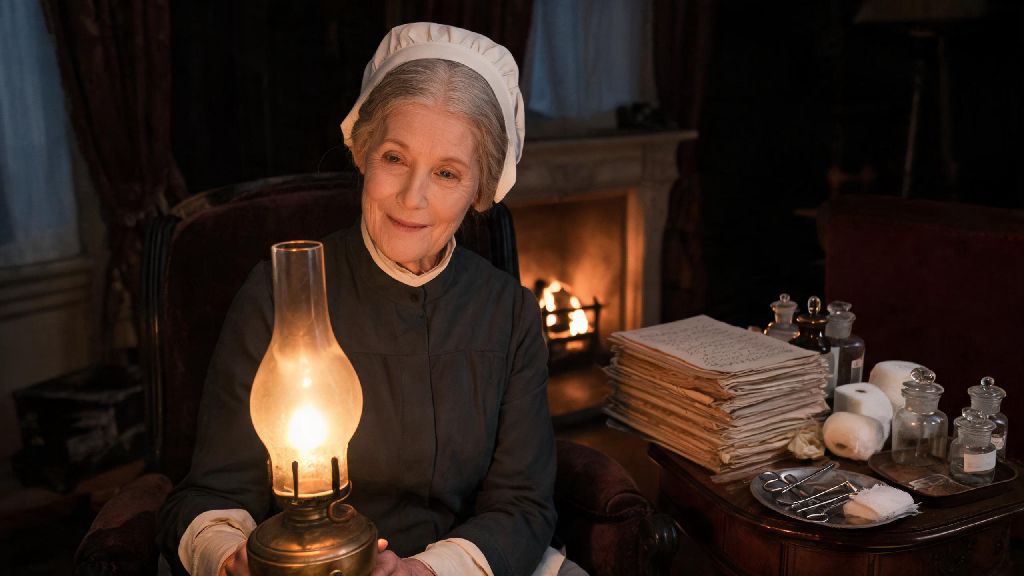
If you’ve ever thanked a nurse for their compassionate, evidence-based care, you have Florence Nightingale to thank for laying the groundwork for the entire field. Many people learning about healthcare origins ask when did Florence Nightingale found nursing, and the answer is far more layered than a single date on a calendar. Unlike unregulated care work that existed for centuries before her, Nightingale built a structured, respected profession for women (and later all genders) rooted in data, hygiene, and patient dignity. We’re breaking down the full timeline, her motivations, and the ripple effects of her work that you still see every time you step into a hospital or clinic.
When Did Florence Nightingale Found Nursing: The Key Timeline
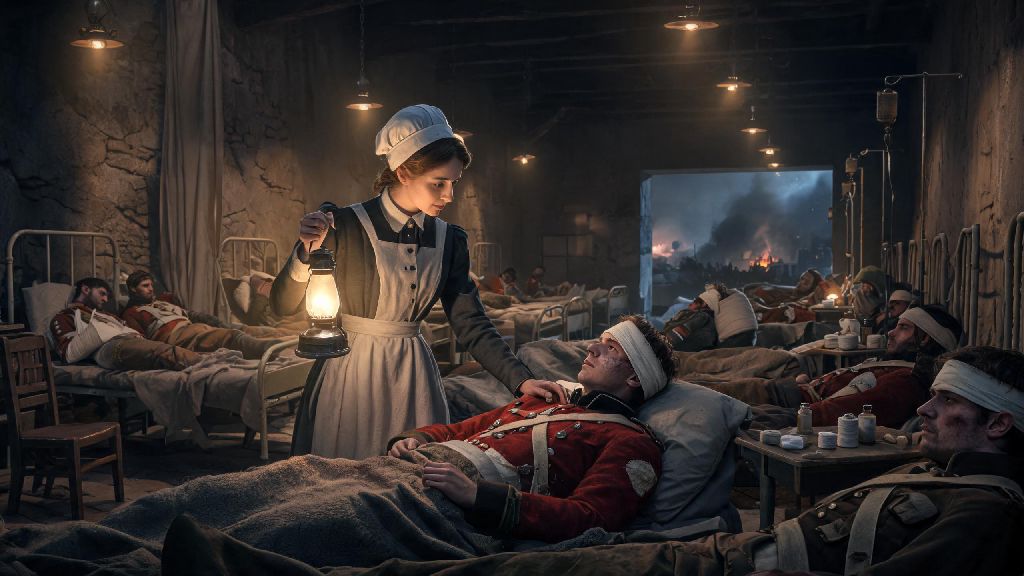
Before Nightingale stepped into the healthcare space, nursing was not a respected career. It was mostly done by unskilled, low-wage workers, often associated with negative social stereotypes, and had no formal training requirements. That changed when Nightingale, a wealthy British woman who defied her family’s wishes to study care work, was recruited to lead a team of nurses to the Crimean War in 1854. She arrived at the military hospital in Scutari to find overcrowded wards, rotten food, no clean linens, and a 42% mortality rate for wounded soldiers, most of whom died from preventable infections, not their battle injuries.
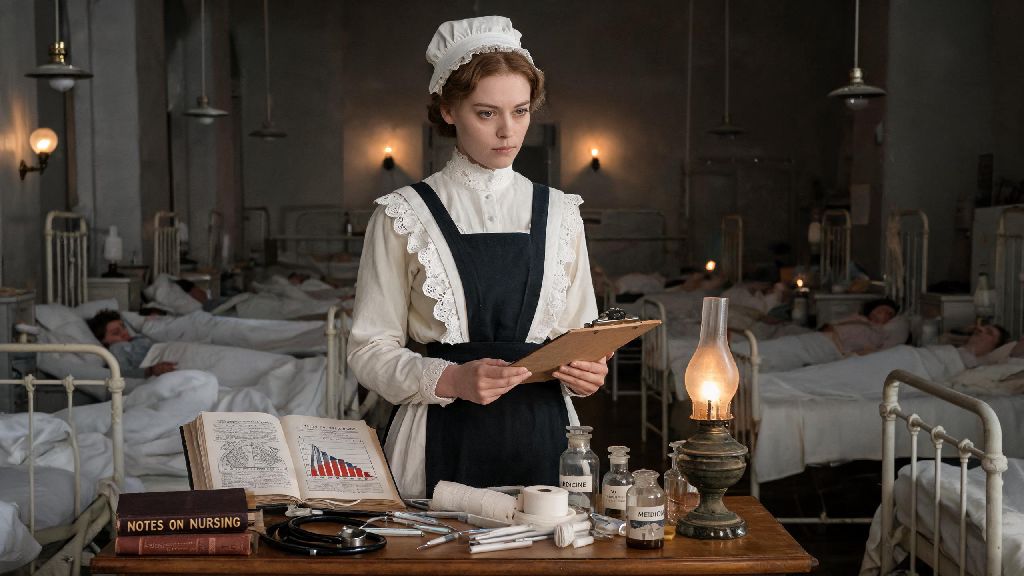
Over two years, she implemented strict sanitation protocols, tracked patient outcomes meticulously, and advocated for better resources for the hospital. She reduced mortality rates at the Crimean War military hospital from 42% to just 2% in less than two years, a feat that earned her national recognition and public support for her future work. When she returned to the UK in 1856, she used public donations raised in her honor to fund the first official nursing training program in the world. 1860 is widely recognized as the official founding year of professional nursing, when the Nightingale Training School opened its doors at London’s St. Thomas’ Hospital.
I used to think her only contribution was tending to wounded soldiers late at night, but it’s wild how she turned that on-the-ground experience into a fully structured profession in less than five years after the war ended. The first class of 15 nurses graduated in 1862, and they went on to set up similar training programs across the UK and around the world, spreading her model of care globally.
What Made Nightingale’s Nursing Model Different From Earlier Care Work
You might hear people argue that nursing existed long before Nightingale, and that’s technically true. Family members, religious workers, and community volunteers have provided care for sick and injured people for thousands of years. But Nightingale was the first person to turn care work into a formal, regulated profession with standardized training, clear ethical guidelines, and measurable outcomes. Her model was built on her background as a statistician, not just personal empathy, which made it easy to replicate and prove effective.
Her core framework for professional nursing included four non-negotiable tenets that are still used in training programs today:
Her focus on statistical analysis of patient outcomes was particularly radical for her time. She didn’t just claim her care model worked—she had hard data to prove it, which helped her win support from government officials and hospital administrators who had previously dismissed nursing reform as unnecessary. She also pushed for nurses to be paid a living wage and treated as equal members of the healthcare team, not just low-level support staff for doctors.
Common Misconceptions About Nightingale’s Role in Nursing History
If you’re researching when did Florence Nightingale found nursing, you might run into a lot of conflicting or inaccurate information online, thanks to decades of mythmaking around her life and work. One of the most pervasive myths is that the “Lady with the Lamp” nickname, which comes from newspaper stories about her checking on patients late at night during the Crimean War, is a reflection of her most important work. The "Lady with the Lamp" nickname was a media creation to sell newspapers, not a reflection of her most impactful contributions. Her real work happened behind the scenes, analyzing data, writing policy, and building the training program structure, not just walking around wards with a lamp.
Another common myth is that she founded nursing entirely on her own, with no support from other reformers. That’s not true either. She collaborated with public health experts, government officials, and wealthy donors to get her training school off the ground, and she built on existing research about sanitation and disease transmission that had been published by other scientists in the 1840s and 1850s. She also faced a lot of pushback from hospital administrators and male doctors who didn’t think women should be allowed to work in healthcare in a professional capacity, which makes her achievements even more impressive.
Some people also claim she only cared for wealthy or military patients, but that’s not the case. After she launched her training school, she spent decades writing guidelines for public health care for low-income communities, hospital design, and even home care for people who couldn’t afford to stay in a hospital. She wanted her nursing model to be accessible to everyone, not just people who could pay for private care.
How Nightingale’s Founding of Nursing Shapes Modern Healthcare
It’s hard to overstate how much of our current healthcare system is rooted in the work Nightingale did in 1860. Today, there are more than 27 million nurses working around the world, making nursing the largest healthcare profession on the planet. Every single one of those nurses went through a training program that follows the basic structure Nightingale laid out, with a mix of classroom learning and supervised clinical hours, and a focus on patient safety and dignity.
Most nursing school curriculums still start with a lesson on when did Florence Nightingale found nursing, to ground students in the core values of the profession. Her focus on evidence-based care is the foundation of all modern healthcare practices, not just nursing. Doctors, pharmacists, and all other care providers now rely on data to track outcomes and adjust treatment plans, a practice she first popularized in healthcare settings. Over 90% of direct patient care in global healthcare settings is provided by nurses, a role that would not exist in its current form without Nightingale’s work.
I’ve spoken to several working nurses who say they still reference Nightingale’s 1859 book Notes on Nursing for basic care tips, even with all the advanced medical technology we have available today. During the COVID-19 pandemic, nurses around the world followed many of the same sanitation and patient support protocols she first laid out 160 years ago, from strict handwashing to checking in on patients’ mental health alongside their physical symptoms. That kind of lasting impact is rare for any historical figure, especially a woman working in a male-dominated field in the 1800s.
At the end of the day, the question of when did Florence Nightingale found nursing leads to far more than just a date on a timeline. It opens up a story of a woman who pushed against every social expectation of her time to build a profession that saves millions of lives every single year. Her focus on data, dignity, and structured training hasn’t just stood the test of time—it’s grown and evolved to meet the needs of every new generation of patients and care providers. Whether you’re a nursing student, a history buff, or just someone who’s ever received care from a nurse, taking the time to learn about her work helps you appreciate just how much thought and effort went into building the care systems we rely on today.