If you’ve ever studied nursing history, public health reform, or even Victorian era social progress, you’ve almost certainly come across Florence Nightingale’s name. Her work transforming medical care during the Crimean War and establishing formal nursing as a respected profession changed global health outcomes for billions of people in the centuries after her life. You might be asking what year was Florence Nightingale born as you dig into her legacy, and the answer ties directly to the cultural context that shaped her radical, life-saving work.
What Year Was Florence Nightingale Born, and What Was Her Early Life Like?
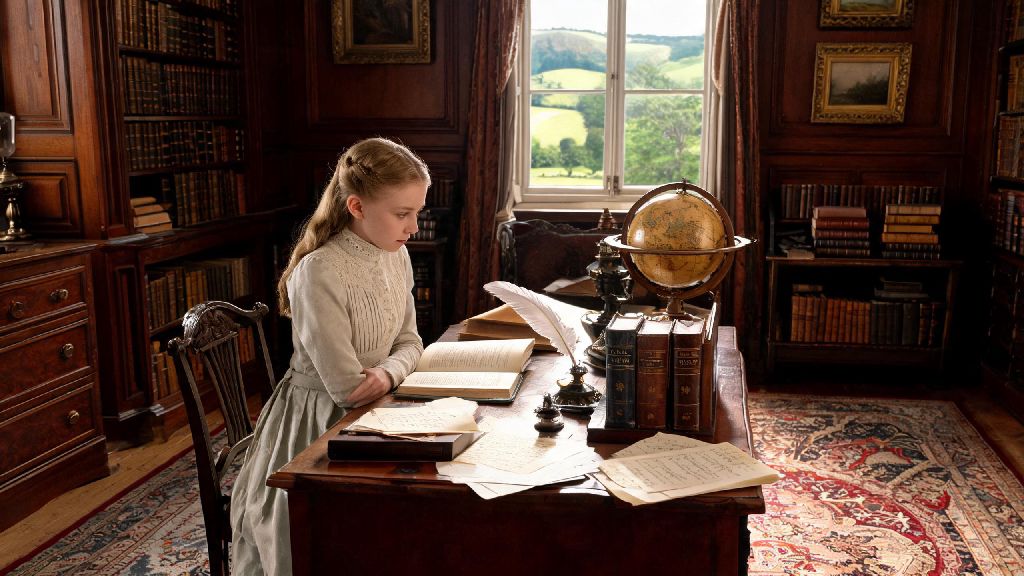
Florence Nightingale was born on 12 May 1820 in Florence, Italy, to a wealthy, well-educated British family who were traveling through Europe at the time. She spent most of her childhood and young adult years at the family’s estates in Derbyshire and Hampshire, where her father personally taught her classics, mathematics, languages, and philosophy, an unusual education for a woman of her social standing in the 1830s and 1840s. Even as a young girl, she showed a clear interest in caring for sick people in the villages near her family’s home, a passion that would eventually put her at odds with her parents’ expectations for her to marry well and take on a traditional upper-class wife’s role.
Her family’s social status gave her access to spaces and resources most women of the era could never access, but it also created significant barriers to the work she felt called to do. She turned down multiple marriage proposals from wealthy suitors because she knew marriage would make it impossible for her to pursue her nursing goals, a choice that was almost unheard of for a woman of her class at the time. She spent nearly a decade fighting for permission to train as a nurse before her family finally relented, a testament to how dedicated she was to her mission from a very young age.
How Nightingale’s Upbringing Shaped Her Unconventional Career Path
Her parents were deeply opposed to her desire to study nursing, which at the time was seen as a low-status job for working-class women, often associated with poor working conditions and even moral laxity. Nightingale refused to back down, and eventually studied nursing at the Institute of Protestant Deaconesses in Kaiserswerth, Germany, in 1851, against her family’s wishes. Her background in advanced mathematics, which her father taught her as a child, would become one of her most powerful tools, far more than most people realize.
I first learned about her statistical work in a college public health class, and I was shocked that no one had ever told me she was one of the earliest pioneers of data visualization, not just a kind woman with a lamp. She didn’t just care for sick patients; she collected massive amounts of data about mortality rates, hygiene conditions, and hospital efficiency to prove that better sanitation cut death rates dramatically. She even invented the polar area diagram, a type of circular bar graph, to present her data about preventable war deaths to government officials who had no background in statistical analysis, making her findings impossible to ignore.
Surprising Lesser-Known Facts About Florence Nightingale
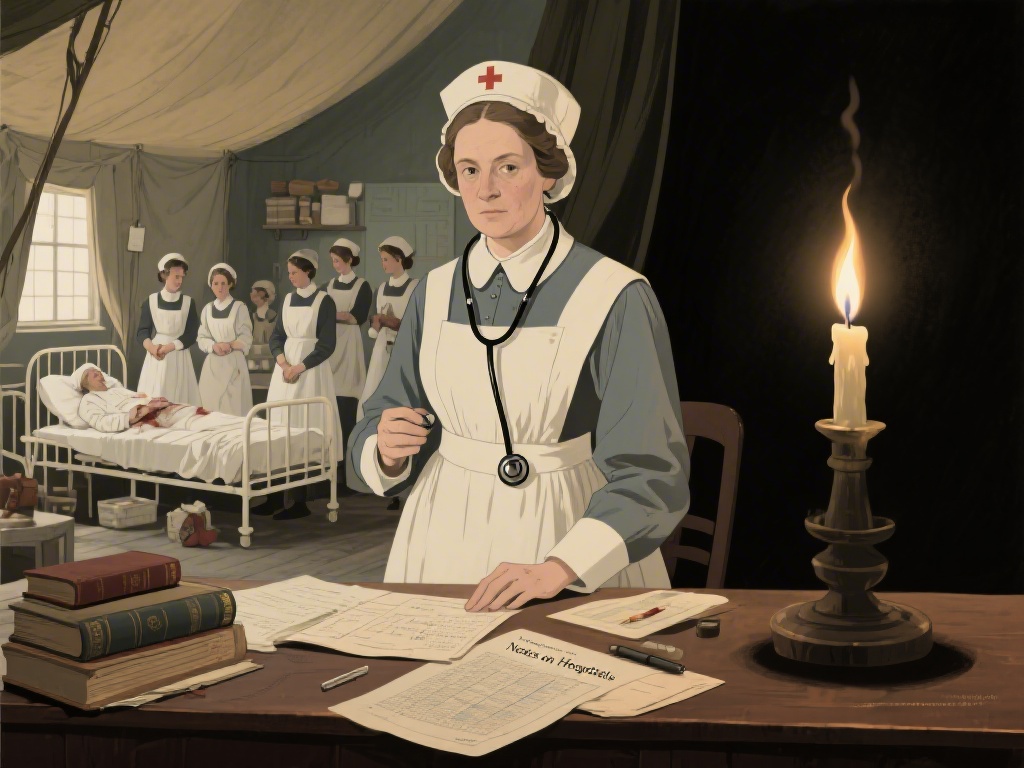
Most people know her as the Lady with the Lamp who made rounds to care for wounded soldiers at night during the Crimean War, but that’s far from the only interesting detail about her life. She was a prolific writer, publishing more than 200 books, pamphlets, and reports about healthcare, hospital design, and public health over the course of her career, many of which are still referenced by public health experts today. She also advocated for women’s access to education and professional work, at a time when most people believed women belonged exclusively in the home.
Most people don’t know Nightingale was obsessed with logic puzzles, number games, and probability problems during her rare breaks from writing policy briefs and analyzing hospital mortality data. She often played quick, skill-based card games with her fellow nurses during long shifts on the Crimean front to stay sharp, a habit she kept well into her later years. Modern fans of skill-based card games that blend strategy and luck can find a similar experience with INR Rummy, a popular card game that rewards quick thinking and pattern recognition much like the games Nightingale favored to keep her mind sharp.
She also spent more than 30 years of her life as a semi-invalid, confined to her bed after a mysterious illness she contracted during the Crimean War, but she still produced most of her most influential writing and policy work during that period. She didn’t let physical limitations stop her from pushing for systemic change, and she regularly met with politicians, healthcare leaders, and social reformers from her bedroom to coordinate policy efforts across the UK and the rest of the world.
How Florence Nightingale’s Legacy Impacts Modern Healthcare Today
The work Nightingale started nearly 200 years ago still shapes how healthcare is delivered all over the world today, and many of the standards we take for granted first came from her research. Some of her most lasting contributions include:
Her focus on patient-centered care, data-driven decision making, and accessible healthcare for marginalized communities is still a core part of nursing and public health training around the world. Many nursing schools still hold a “Nightingale Pledge” ceremony for graduating students, modeled after the Hippocratic Oath for doctors, to honor her legacy and commit to the standards she established for the profession. Even hospital design guidelines, including requirements for natural light, proper ventilation, and separate spaces for patients with infectious diseases, trace back to her research in the 1850s and 1860s.
Whether you’re studying nursing, working in public health, or just love learning about underappreciated historical trailblazers, knowing what year was Florence Nightingale born helps you contextualize just how radical her work was for the Victorian era. She defied every expectation placed on her as a wealthy woman of her time, used her unique education and skills to save millions of lives, and left a legacy that still makes healthcare safer for every person on the planet today.