Who Was Florence Nightingale?
Florence Nightingale, born on May 12, 1820, was a British nurse and social reformer who is widely considered the founder of modern nursing. Her groundbreaking work during the Crimean War earned her the nickname "The Lady with the Lamp" and set the stage for the nursing profession as we know it today.
1. The Crimean War and the Lady with the Lamp
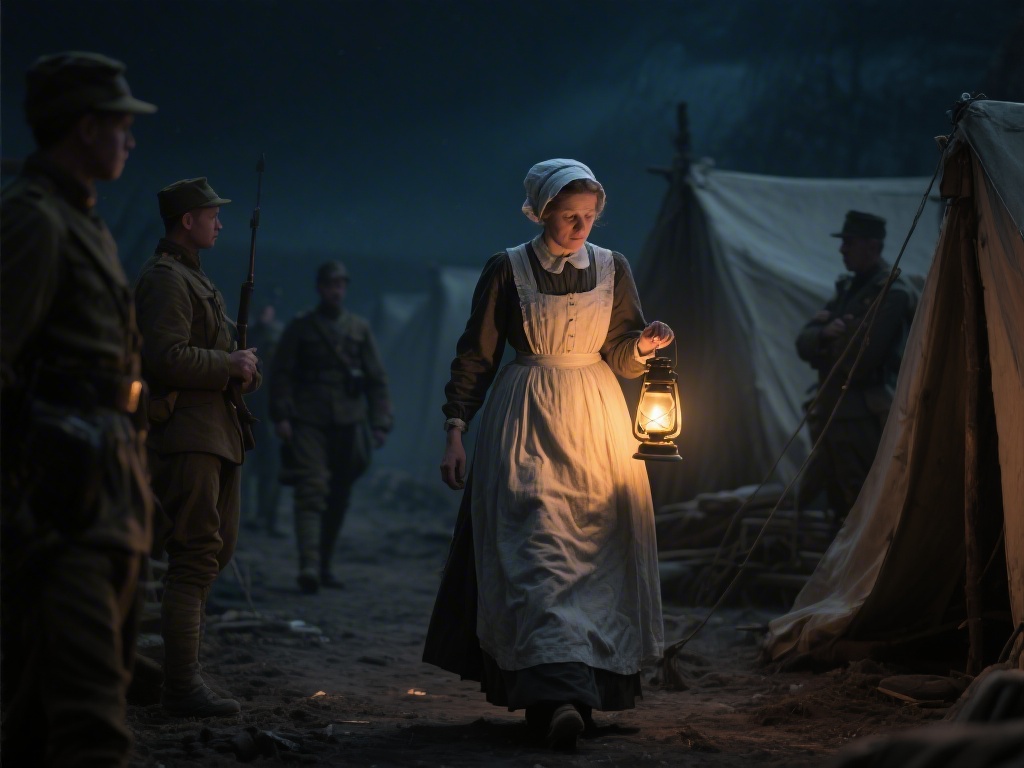
Nightingale's most famous contribution came during the Crimean War, where she served as a nurse. She was appalled by the poor conditions in which the soldiers were living and treating, leading her to implement sanitation reforms that drastically reduced mortality rates. Her iconic image of walking through the camp at night, carrying a lamp, has become a symbol of nursing care.
2. The Nightingale Training School for Nurses
After the war, Nightingale founded the Nightingale Training School for Nurses at St. Thomas' Hospital in London. This institution was the first of its kind and played a pivotal role in shaping the nursing profession.
3. The Sanitary Movement
Nightingale was a pioneer in the sanitation movement, advocating for better living conditions and public health. Her influential book, "Notes on Nursing," is considered a cornerstone of nursing theory and practice.
4. The Nightingale Prize
In recognition of her contributions to nursing, the Nightingale Prize was established in 1893. It is the oldest international award for nursing given by the Queen of England.
5. Florence Nightingale's Legacy
Nightingale's legacy is profound. Her work not only improved the lives of soldiers during the Crimean War but also laid the foundation for modern healthcare systems worldwide. She is celebrated as a national hero in the UK and has been honored by countless organizations and institutions.
6. Florence Nightingale's Personal Life
Beyond her professional achievements, Nightingale was a deeply spiritual woman. She kept a detailed diary and wrote extensively about her faith. Her personal life was marked by a strong sense of duty and a desire to help others.
7. The Nightingale Museum
The Nightingale Museum in London is dedicated to Florence Nightingale's life and work. It houses her personal belongings, letters, and other artifacts that provide insight into her extraordinary life.
8. Florence Nightingale's Influence on Public Health
Nightingale's work in public health had a lasting impact. She advocated for clean water, proper sanitation, and better housing, all of which contributed to improved public health and reduced disease.
9. The Nightingale Pledge
The Nightingale Pledge, a solemn oath taken by nurses, is named after Florence Nightingale. It is a commitment to the profession and to the patients they serve.
10. Florence Nightingale's Recognition by the Nobel Committee
Although Florence Nightingale never received the Nobel Prize, she was considered a leading candidate for the Nobel Peace Prize multiple times. Her work in promoting peace and reducing suffering is a testament to her profound impact on the world.
Florence Nightingale's life was one of dedication, compassion, and innovation. Her legacy continues to inspire nurses and healthcare professionals around the world, and her contributions to medicine and society are undeniable.