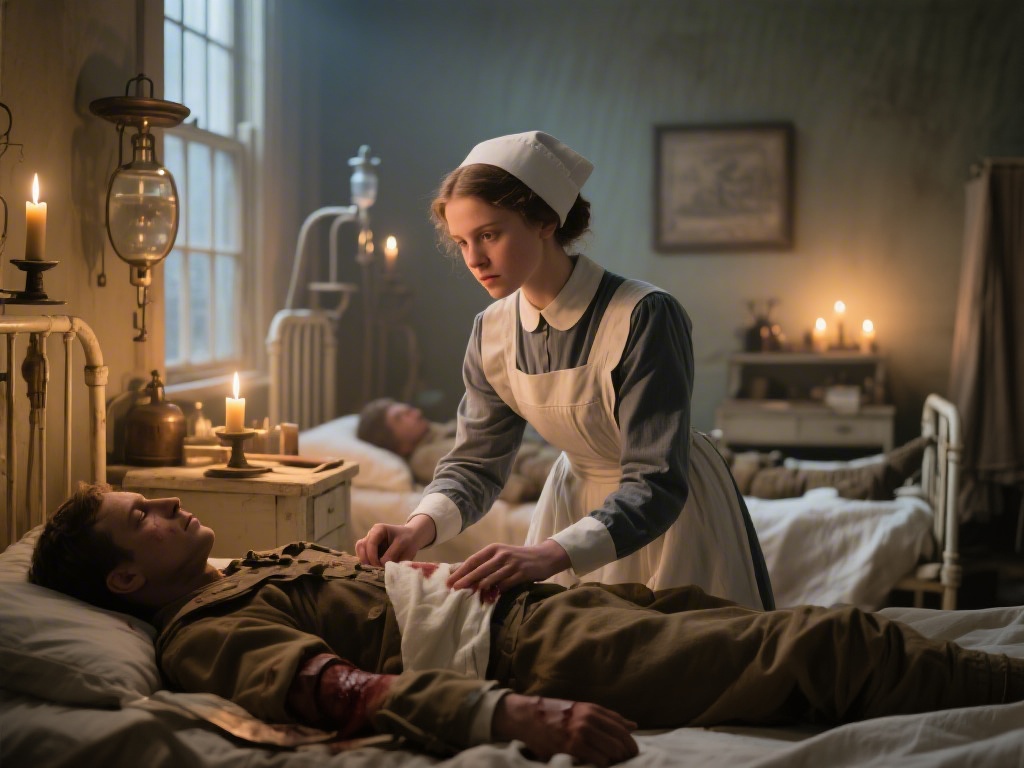
When most people picture Florence Nightingale, they think of the "Lady with the Lamp" making rounds through dark Crimean War hospital wards to check on injured soldiers. That iconic story is true, but it only scratches the surface of her impact on global healthcare. A trained statistician and social reformer long before she stepped foot in a military hospital, Nightingale built her legacy on hard data, not just compassionate care. If you’ve ever wondered how did Florence Nightingale improve hospitals, you’ll be surprised to learn many of the rules we take for granted in modern healthcare facilities started with her work in the 1850s.
How did Florence Nightingale improve hospitals with evidence-based hygiene protocols?
When Nightingale arrived at the Scutari military hospital in 1854, she was horrified by the conditions. The wards were overcrowded, sewage leaked into hallways, rats and lice were everywhere, and clean water was scarce. Official records at the time blamed most patient deaths on battlefield wounds, but Nightingale suspected something else was at play. She started tracking every patient death and its cause, and used that data to build her famous polar area diagram, a new type of chart that made it easy for even non-medical politicians to see that the 1 in 3 patient death rate at the hospital was caused by preventable, unsanitary conditions.
- Mandatory regular cleaning of all ward surfaces, linens and patient clothing
- Mandatory handwashing protocols for all staff before interacting with patients
- Separate latrine facilities for patients and staff, with regular waste disposal schedules
- Access to clean, safe drinking water for all patients at all times
She reorganized hospital layouts to reduce cross-contamination and overcrowding
Before Nightingale’s reforms, most hospitals were designed with little thought for infection control. Wards were packed with beds placed just inches apart, patients with contagious diseases were mixed in with those recovering from surgery, and there was no separate space for people with infectious conditions like typhus or cholera. Medical leaders of the time thought overcrowding was unavoidable, especially during war or public health crises, but Nightingale proved that smarter layout design could drastically reduce death rates even when patient numbers were high. She designed what became known as the "pavilion ward" layout, where wards were long, narrow, and spaced far apart with large windows for fresh air and natural light. Beds were placed at least three feet apart, and contagious patients were kept in separate wings entirely to stop the spread of disease. She also pushed for dedicated laundry facilities, kitchen spaces, and staff areas separate from patient care zones to cut down on cross-contamination even further. You can still see echoes of this layout in modern hospital design today, especially in infectious disease units that prioritize air flow and patient separation. Many rural hospitals built in the 20th century still use the exact pavilion layout Nightingale developed, because it’s so effective at reducing infection spread without expensive technology.
She formalized nursing as a respected, trained profession for all genders
Before Nightingale’s work, nursing was seen as a low-status job, usually filled by uneducated working class women or even former prisoners, with no formal training required. There were no standard rules for patient care, and nurses were often expected to do other jobs like cleaning or cooking instead of focusing on patient needs. Many doctors of the era saw nurses as little more than unskilled labor, and didn’t let them participate in any care decisions. Nightingale changed that entirely when she opened the first professional nursing training program at St. Thomas’ Hospital in London in 1860. The program required students to complete a year of formal coursework plus hands-on clinical training, and graduates were placed in hospitals across the UK to implement her care standards. For the first time, nursing was seen as a legitimate, respected career for people who wanted to work in healthcare, not a last resort for people who couldn’t find other work. She also advocated for fair pay and safe working conditions for nurses, a fight that healthcare workers still continue today. It’s easy to forget how radical this was at the time: before Nightingale, many hospitals didn’t even have dedicated nursing staff at all, relying on family members to care for patients while they stayed in the facility.
She implemented patient-centered care standards that are still used worldwide
Nightingale was one of the first healthcare reformers to argue that hospitals should focus on supporting the whole patient, not just treating their immediate injury or illness. She pushed for rules that seem obvious now, but were unheard of at the time, like regular patient check-ins, tracking of patient symptoms over time, and patient nutrition tracking to make sure people recovering from illness or injury were getting enough food to heal. Back then, most hospitals served the same cheap, low-nutrition food to all patients regardless of their condition, and many people died of malnutrition while recovering from otherwise survivable wounds. She also required hospitals to keep detailed, standardized records of every patient’s stay, which made it easier to track what treatments worked, and what care protocols needed to be adjusted. This is the foundation of modern electronic health records, even if the technology has changed drastically since her time. She also pushed for hospitals to offer accessible care for low-income patients, arguing that good healthcare was a right, not a privilege for people who could afford to pay. Even today, many non-profit and public hospital systems base their mission statements on this exact principle.
Nightingale’s legacy goes far beyond the nice stories of her carrying a lamp through hospital wards. Every time you walk into a clean hospital room, see a nurse wearing scrubs who completed years of formal training, or fill out patient paperwork that tracks your symptoms and medical history, you’re seeing the impact of her work. If you’ve ever asked how did Florence Nightingale improve hospitals, the answer is simple: she used data, empathy, and unshakable persistence to rewrite the rules of healthcare, and those rules still keep millions of people safe every single year.