Introduction to Florence Nightingale
Florence Nightingale, born on May 12, 1820, is one of the most renowned figures in the history of nursing. Her contributions to healthcare and nursing have had a lasting impact on the world. But what is Florence Nightingale most famous for? Let's delve into her legacy.
The Crimean War and the Nightingale Pledge
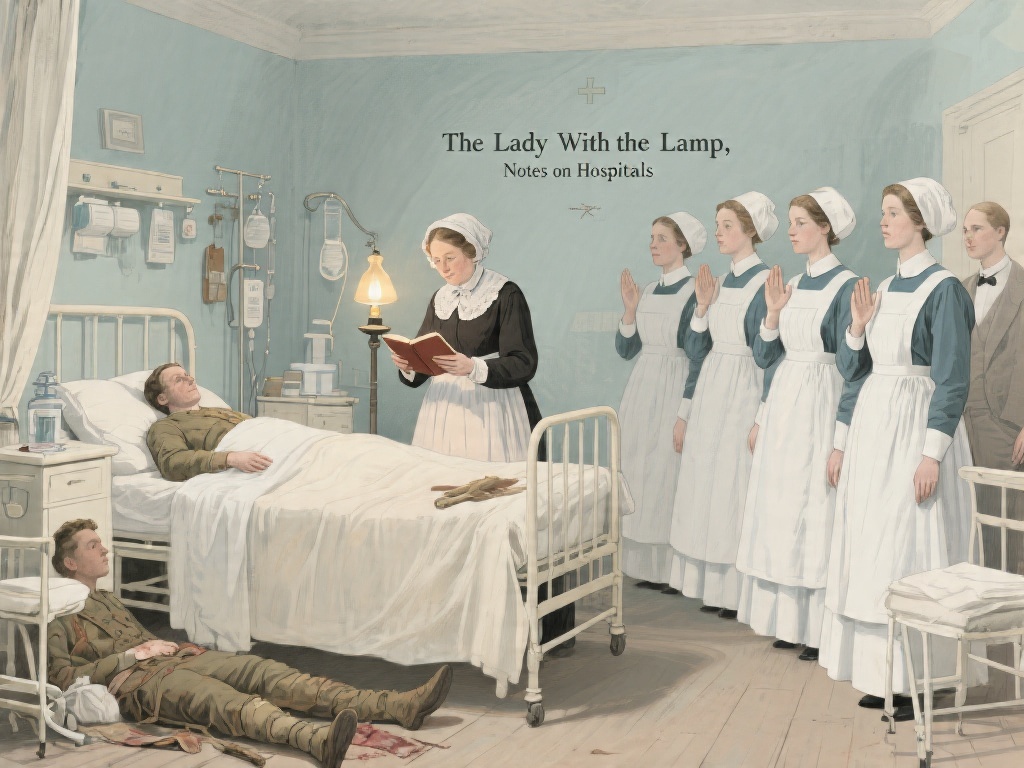
One of the most significant events in Florence Nightingale's life was her role in the Crimean War. She traveled to the war-torn region to care for wounded soldiers, where she made a name for herself as "The Lady with the Lamp." Her efforts led to the development of the Nightingale Pledge, a sacred oath taken by nurses worldwide, emphasizing their dedication to the profession.
Improving Sanitation and Hygiene
Nightingale is also famous for her work in improving sanitation and hygiene in hospitals. She conducted extensive research and implemented changes that significantly reduced mortality rates. Her book, "Notes on Hospitals," outlined her findings and recommendations, which have been influential in the healthcare industry.
The Nightingale Training School
Another significant contribution of Florence Nightingale was the establishment of the Nightingale Training School for Nurses. This institution played a crucial role in shaping the nursing profession, providing formal education and training for nurses.
The Legacy of Florence Nightingale
Florence Nightingale's legacy is vast and continues to inspire generations. She is celebrated as a pioneer in nursing, healthcare, and public health. Her work has influenced the development of modern nursing practices, and she remains a symbol of compassion and dedication in the healthcare field.
Conclusion
Florence Nightingale is most famous for her groundbreaking work in nursing, sanitation, and healthcare. Her legacy continues to shape the world of medicine and inspire those who work in the field. By understanding her contributions, we can appreciate the profound impact she has had on the healthcare industry.