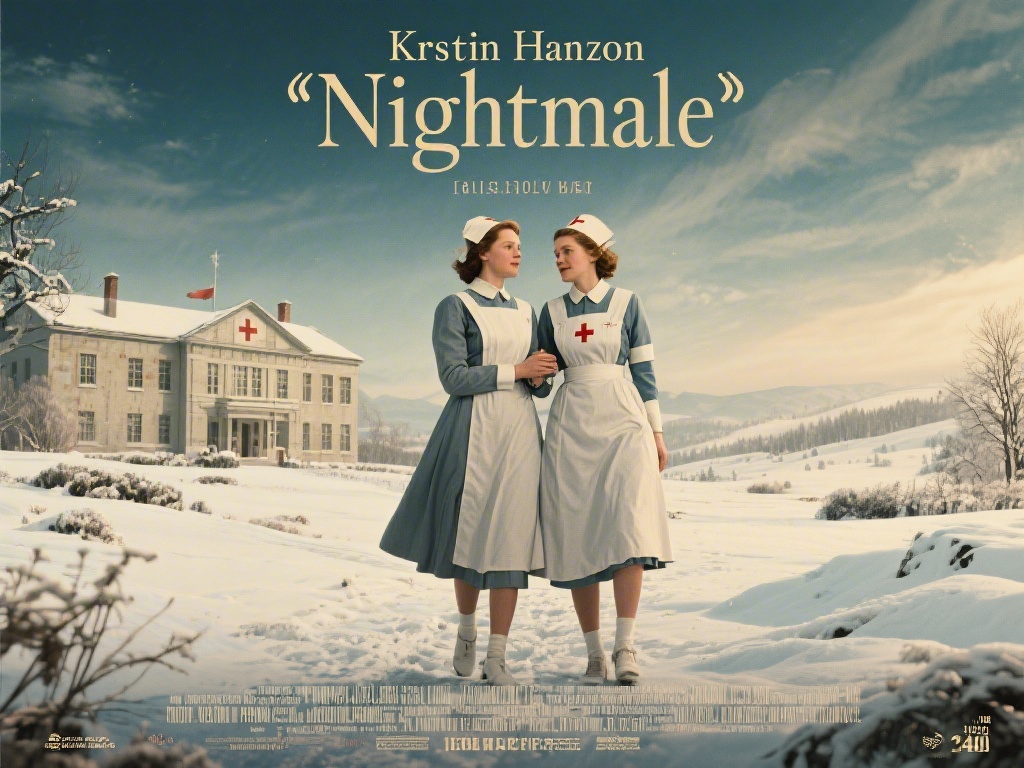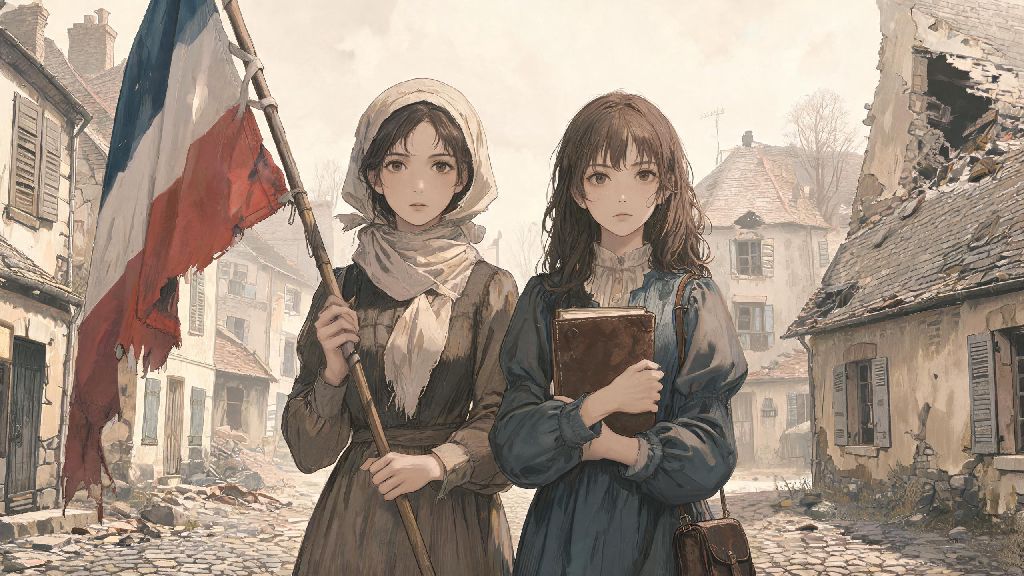
If you’ve ever picked up a Kristin Hannah novel, you know she has a way of blending raw emotion with vivid, unforgettable settings. I first read The Nightingale on a cross-country flight, and I finished it with red, puffy eyes before we even touched down. Like many readers, I found myself asking what genre is The Nightingale by Kristin Hannah, because it didn’t fit neatly into any single box I’d used to sort my bookshelf before. It has moments of gut-wrenching history, tender romance, high-stakes adventure, and deep literary insight that sticks with you for months after you turn the last page. In this post, we’ll break down its core genre, cross-genre elements, and why it resonates so deeply with millions of readers worldwide.
Core Genre of The Nightingale by Kristin Hannah: Historical Fiction First
If you look up what genre is The Nightingale by Kristin Hannah on most retail sites, you’ll almost always see it listed first as historical fiction, and that’s the most accurate primary label. The entire story is set in 1940s occupied France, following two sisters as they navigate Nazi rule, food shortages, and the constant risk of being arrested or killed for resisting occupation. Hannah spent three years researching for the book, including interviewing surviving members of the French resistance and reviewing personal letters and records from women who smuggled downed Allied pilots across the border to safety. The core of the book is rooted in real, underreported WWII history that most mainstream war narratives leave out. It doesn’t focus on frontline battles or military strategy, but on the ordinary civilians who risked everything to fight back without uniforms or formal training. I’ve read a lot of WWII fiction over the years, and what stands out about The Nightingale is that it doesn’t lean on overused tropes of American soldiers saving the day. It centers ordinary French women, most of whom had no formal combat training, who chose to act when it would have been far safer to stay quiet.
Key Cross-Genre Elements That Make The Book Stand Out
While historical fiction is its core category, The Nightingale pulls from multiple genres to create a richer, more layered reading experience. That’s part of why it’s become such a massive hit with readers who don’t usually pick up historical fiction. Some of its most notable cross-genre elements include:
Why Some Readers Struggle to Categorize The Nightingale
A big part of the confusion comes from Kristin Hannah’s background as a writer who often blends genres across her catalog. She’s written everything from contemporary romance to family drama to coming-of-age stories, so she doesn’t stick to the rigid rules of any single genre. She doesn’t limit her writing to fit the expectations of a specific genre audience, which gives her stories more room to feel authentic. Many mainstream genre labels were created to help bookstores sort stock, not to describe the full complexity of a story, so when a book crosses multiple lines like this one does, it’s natural for readers to get confused about where to place it. I’ve even seen some readers list it as biographical fiction, but that’s not quite right either. While the story is inspired by real women who served in the resistance, the two main characters, Vianne and Isabelle, are entirely fictional, so it doesn’t qualify as a biography or memoir. I’ve seen book clubs get into full debates about its genre, because every member connects with a different element of the story first. Some focus on the history, some on the sisterly bond, some on the thriller-style tension, so they all categorize it differently. That’s not a flaw of the book, it’s a sign of how well-written it is. It doesn’t pander to a specific genre audience, it just tells a good, honest story.
What Genre Categorization Means for Your Reading Experience
You might be wondering why it even matters what genre the book falls into. For a lot of readers, genre is a shortcut to find books they’ll enjoy, so getting the categorization right helps you know if this book is for you, and what to expect when you start reading. You’ll have a much better experience if you go into it with the right expectations, instead of being surprised by elements you didn’t anticipate. If you only read fast-paced thrillers, you might still love The Nightingale, but you’ll want to go into it knowing the first few chapters are slower, building up the characters and the setting before the tension ramps up. If you only read literary fiction, you might be put off by the more action-heavy middle sections, but they serve a purpose to show the real risks the characters were taking every day. If you’re someone who avoids historical fiction because you think it’s too dry or focused on facts over people, this book will change your mind. Hannah never sacrifices character for accuracy, and every historical detail is woven into the story so seamlessly you won’t even realize you’re learning about a little-known part of WWII history. A few notes if you’re planning to read it soon: Don’t go into it expecting a light read, no matter what genre label you see on the spine. It deals with heavy topics including loss, sexual assault, and wartime trauma, so it’s okay to take breaks if it feels overwhelming. It’s also a fantastic pick for book clubs, because the cross-genre elements give you so much to talk about, from the historical accuracy to the character choices to the themes of family loyalty. You don’t need to be a WWII history buff to follow the story, either – Hannah explains all the context you need without info-dumping or slowing down the plot. I’ve recommended it to friends who only read YA, friends who only read nonfiction, and almost all of them come back telling me it’s one of the best books they’ve read all year.
At the end of the day, what genre is The Nightingale by Kristin Hannah is a question that doesn’t have a single, simple answer. At its core, it’s historical fiction, but it borrows elements from literary fiction, thrillers, and drama to create a story that feels bigger than any one label. The best part is you don’t have to fit it into a box to enjoy it. Whether you’re picking it up for the history, the characters, or the fast-paced plot, you’re almost certainly going to walk away with a new favorite book, and a new appreciation for the ordinary women who did extraordinary things during WWII. I’ve re-read it three times now, and every time I notice a new detail I missed before, from a small line of dialogue that hints at a character’s hidden fear to a historical reference that ties back to a real event I learned about later. If you haven’t read it yet, carve out a few days, keep a box of tissues handy, and give it a shot.